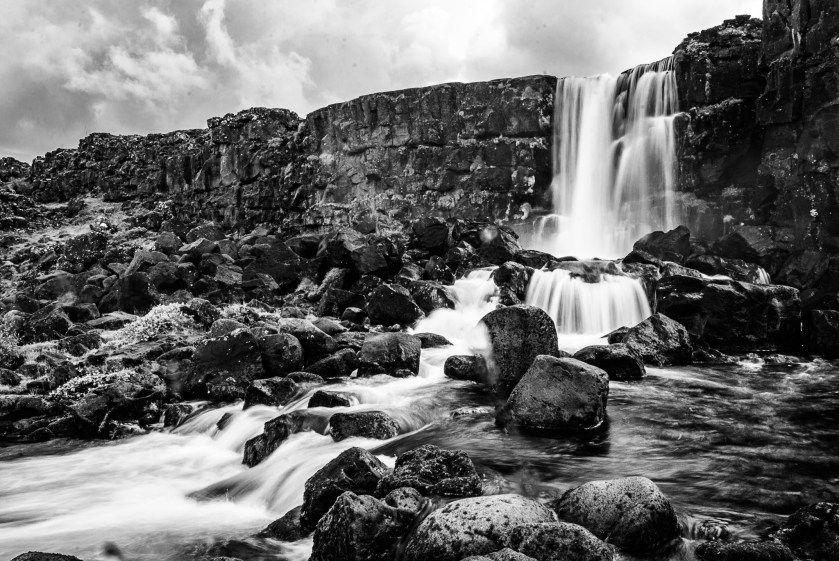
The Pagosa Springs Photography Club will meet at 6 PM, August 14, at The Community United Methodist Church, 434 Lewis Street. Our speaker this month will be Andy Butler, with a presentation on Travel Photography: Iceland.
Join us for socializing at 6 PM, followed by a brief business meeting and presentation at 6:30 PM. Anyone interested in improving their photography is invited to attend, whether a novice or experienced photographer.Club members are encouraged to bring up to 10 photos on a thumb drive to share with the group after the presentation, if time permits.
For the August presentation, Photography Club president Andy Butler will use images from a trip to Iceland to illustrate various aspects of travel photography. Topics will include planning, tips for creating more compelling travel photos, choosing your gear, and keeping your images safe while traveling. Andy’s major photographic interests include landscape, nature and travel photography.
The Pagosa Springs Photography Club promotes educational, social and fun interactions between all who enjoy making and viewing great photography.Membership is just $25/calendar year for individuals and $35 for families. To join or renew, fill in the member application form and mail it with a check for your dues to the address shown on the form, or bring it to one of our meetings.
I had occasion recently to visit a small ranch to shoot horses, and I learned some valuable lessons that I will pass on to you.
First, if your camera has a shutter click, you will need to wrap your camera in a beach towel or something comparable to muffle the click. You don’t want to spook the horses.
Third, don’t let the horse flies bother you. Yes, there a lot of them, and yes, they have a nasty bite. But remember, you’re a professional and must remain concentrated on the shoot.
Fourth, wear shoes that you want to throw away. Otherwise you will have an unpleasant cleaning job when you get home.
Fifth, if you get suckered into riding a horse, make sure you have plenty of Eczema Honey Healing Cream at home to rehabilitate your backside.
Sixth, if you ride a horse, be sure to mount it on the left side. If you mount on the right side, everyone will know you’re a dude, and PETA may single you out for horse harassment.
Let’s make the ride short, pal. I have some grazing to do.
Seventh, take a telephoto lens in case you happen to spot a barn rat. Barn rats make a unique photo-op that you don’t want to miss.
Finally, never walk in back of a horse. Horses are related to donkeys. If you’re a Republican and the horse knows it, the horse may kick you across the barn. Your camera would be OK because it’s wrapped in a towel, but the kick may knock some sense into you.
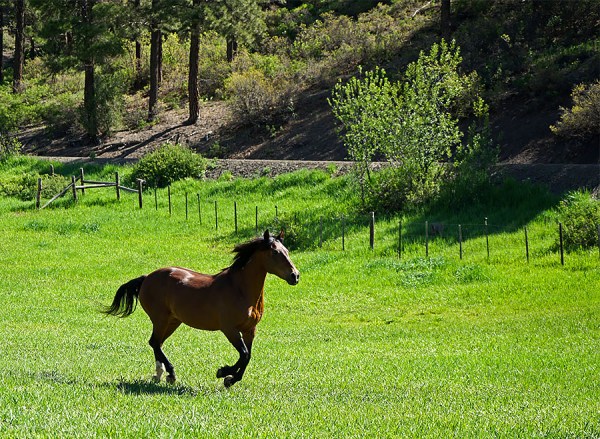
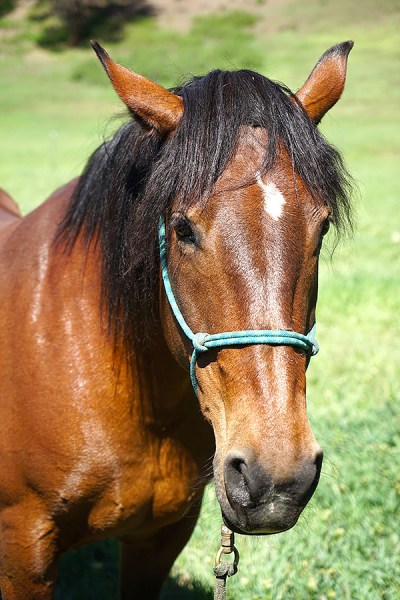
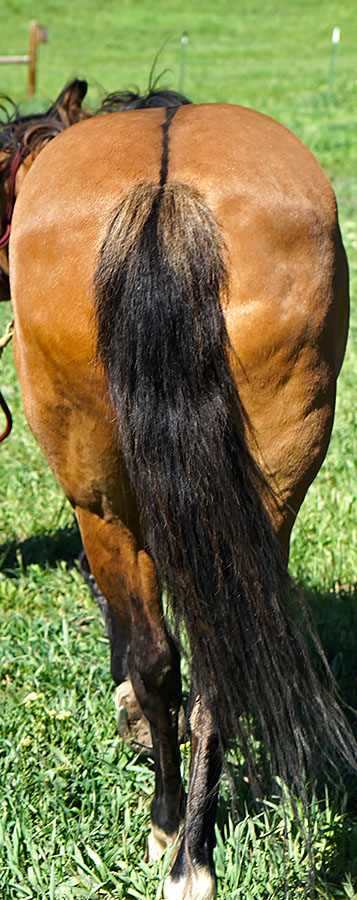
A group of ten members of the Pagosa Springs Photography Club had an opportunity to photograph horses, including two mustangs, at a ranch near Pagosa Springs on June 6. Thanks so much to Stacey Couch for giving us the opportunity to photograph these beautiful animals. Here is a selection of images from our trip; thanks to photographers Chris Roebuck, Joe Sinclair, Andy Butler, Brenda Breding and Mark Guenin:
The Pagosa Springs Photography Club will meet at 6 pm, July 10, at The Community United Methodist Church, 434 Lewis Street. Our speaker this month will be Darryl Saffer, presenting his film The Wild Orchid Man In The Devil’s Realm .
Join us for socializing at 6 pm, followed by a brief business meeting and presentation at 6:30 pm. Anyone interested in improving their photography is invited to attend, whether a novice or experienced photographer.Club members may bring up to 10 photos on a thumb drive to share with the group after the presentation, if time permits.
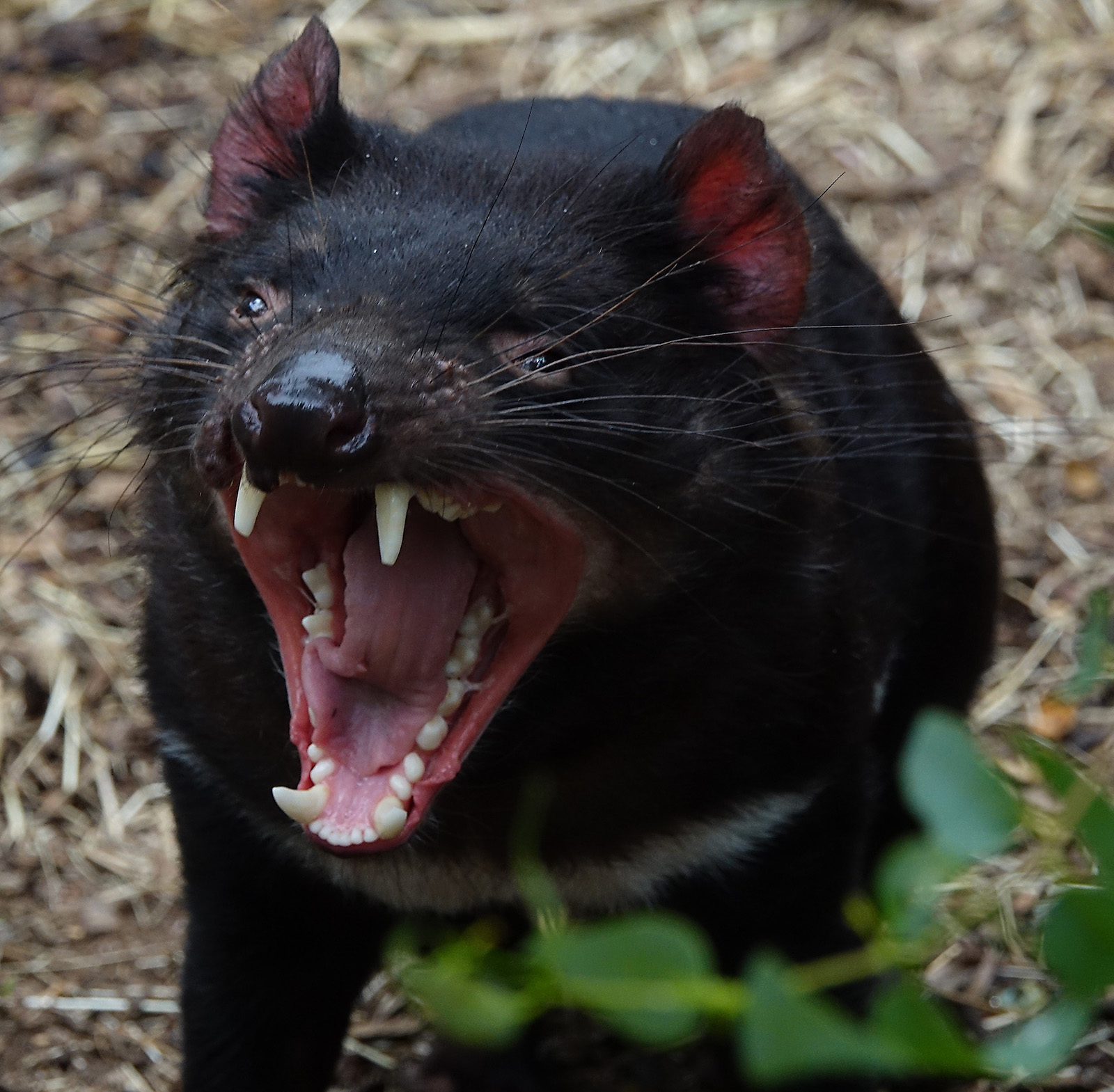
The Wild Orchid Man In The Devil’s Realm is the fifth film in the Wild Orchid Man series. The series is sponsored by the Sarasota Orchid Society as part of their education program. The films are travelogues focusing on the flora and fauna in the ecosystems that support rare and exotic orchids.Locations for the films have ranged from the swamps of Florida to the tundra of Manitoba and from the Peruvian Andes to the island of Tasmania.
In making The Wild Orchid Man In The Devil’s Realm, world renowned orchid taxonomist and artist Stig Dalström and award-winning filmmaker and composer Darryl Saffer traveled to the Australian island of Tasmania seeking the strange plants and legendary animals that inhabit this land. While stunningly beautiful, this land has a dark and tortured past. It is now striving towards a more enlightened cultural and environmental future.
Darryl Saffer is a filmmaker/photographer/composer and was the audio/video producer for Mind Magic Productions (RMC Interactive). There, he composed the soundtrack and edited the video (live action and animation) for the Jane Goodall environmental adventure CD-ROM Jubilee’s Journey. Darryl studied and taught classical composition with the goal of composing film music. He became so interested in the process of filmmaking the he began shooting his own films of his favorite subject – nature.
His camera has focused on such diverse subjects as orcas off the coast of Vancouver Island, public housing in Florida and cosmic theory. Darryl documented a botanical expedition in the cloud forest of Venezuela, produced the CD-ROM Tales Of Titans – The Amorphophallus titanum in North America and his film, Myakka River State Park is part of the permanent exhibit at the South Florida Museum.Saffer produced, photographed and edited the Education Channel’s award-winning programs for the Florida Field Journal and is now shooting and editing episodes of The Field Journal in Colorado.
The Pagosa Springs Photography Club promotes educational, social and fun interactions between all who enjoy making and viewing great photography.Membership is just $25/calendar year for individuals and $35 for families. To join or renew, fill in the application form and mail it with a check for your dues to the address shown on the form, or bring it to one of our meetings. For more information about the club, see our website at pagosaspringsphotoclub.org.
The Pagosa Springs Photography Club will meet at 6 pm, June 12, at The Community United Methodist Church, 434 Lewis Street. Our speaker this month will be Gary Musgrave, of Musgrave Wildlife & Wood.
Join us for socializing at 6 pm, followed by a brief business meeting and presentation at 6:30 pm. Anyone interested in improving their photography is invited to attend, whether a novice or experienced photographer.
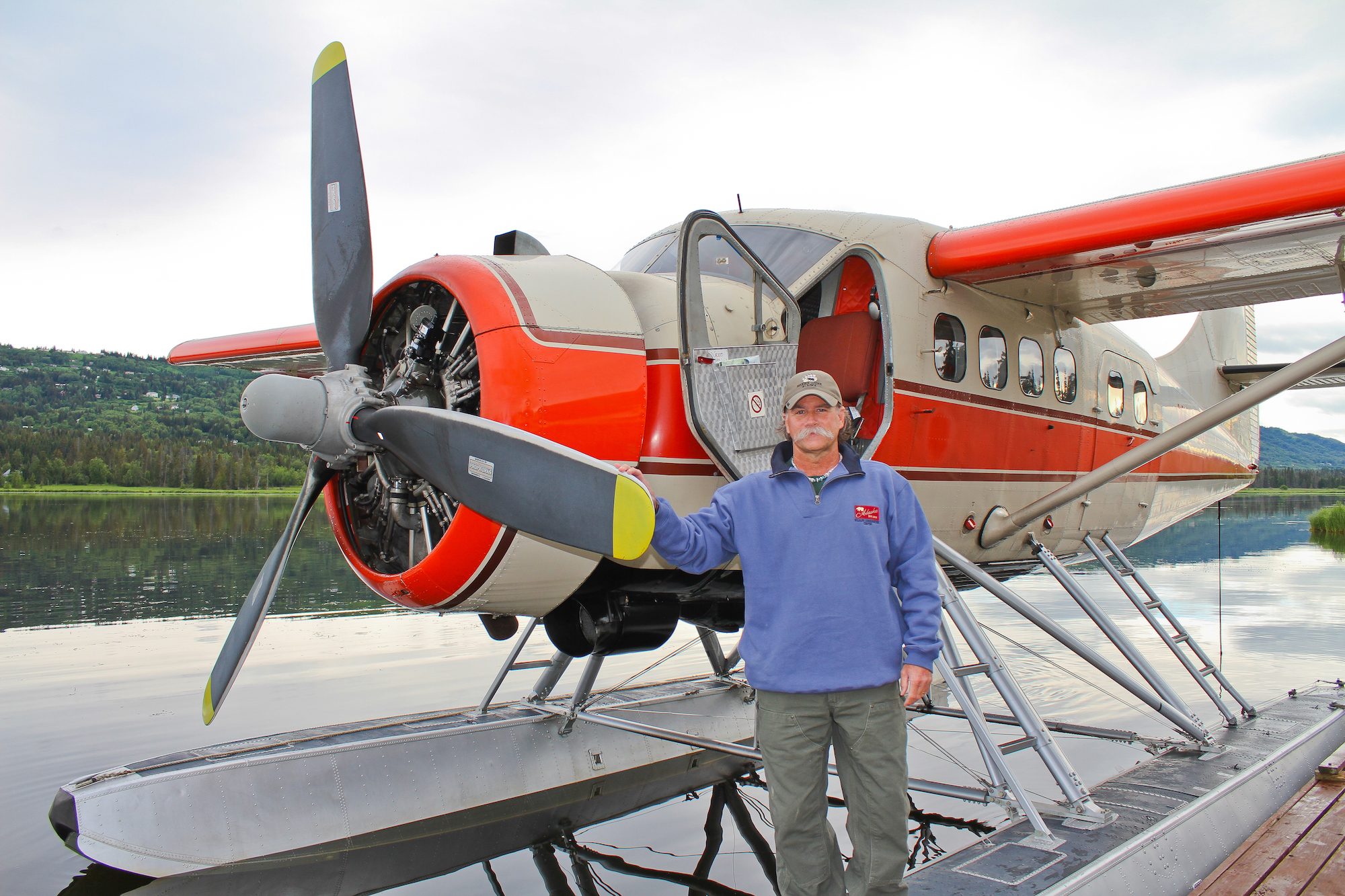
We are excited to have Gary Musgrave presenting this month’s program, on “Wildlife Photography.” Gary has been photographing wildlife since the mid 1970s. After graduating from Angelo State University with a BS in Biology, he guided hunters for big game in Alaska for several years. He has recently retired from teaching high school biology and environmental systems for twenty two years in Texas. Gary travels to Alaska annually to fish, visit with old friends, and photograph. His photography leads him to some of the most beautiful wilderness in North America. In his presentation, Gary will tell us the stories behind a number of his finest wildlife photographs. Gary’s photographs, taken throughout Alaska, the Rocky Mountains and other areas are on display in his Pagosa Springs gallery, Musgrave Wildlife & Wood, at 262 Pagosa Street.
Club members may bring up to 10 photos on a thumb drive to share with the group after the presentation, if time permits.
The Pagosa Springs Photography Club promotes educational, social and fun interactions between all who enjoy making and viewing great photography. The Photography Club meets on the 2nd Wednesday of each month (unless otherwise noted) at the Community United Methodist Church at 434 Lewis Street in downtown Pagosa Springs, Colorado. Come at 6 pm for socializing; presentations begin at 6:30 pm. Members may share digital or print images following our guest speakers. Membership is just $25/calendar year for individuals and $35 for families. To join or renew, fill in the application form and mail it with a check for your dues to the address shown on the form, or bring it to one of our meetings. For more information about the club, see our website at pagosaspringsphotoclub.org.
The Pagosa Springs Photography Club will hold Its next meeting on Wednesday May 8, at The Community United Methodist Church, 434 Lewis Street.
Join us for socializing at 6 p.m., followed by a brief business meeting and our presentation at 6:30 p.m. The Photography Club welcomes all who have an interest in photography, whether beginner or expert.
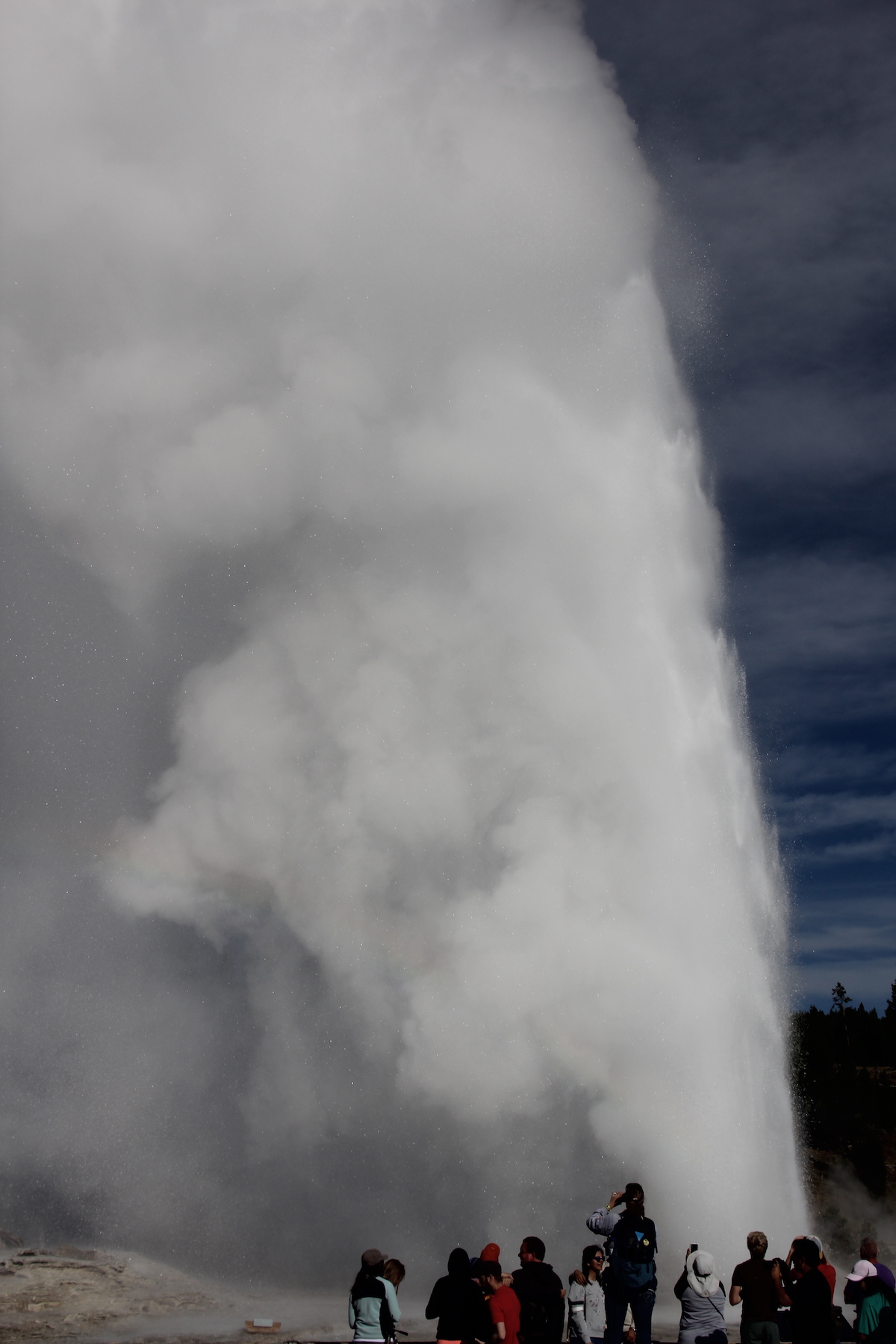
The presentation at the May Club meeting will be by Bill Johnson, onGeyser and Hot Spring Photography. Bill will cover various topics, emphasizing the geysers of Yellowstone and how best to go about photographing them, but extending to geyser fields world-wide.
Bill Johnson is a retired nuclear scientist who lives part-time in Pagosa Springs and part-time in Los Alamos, New Mexico. He holds a Ph.D. in nuclear chemistry and spent most of his career at Los Alamos National Laboratory in arms control, nuclear nonproliferation, and counterterrorism. His fundamental research interests were diverse and ranged from cosmic-ray physics to the geosciences to computer chess. Since his retirement, his volunteer activities include serving as “shopkeeper” for the Geyser Observation and Study Association (www.geyserstudy.org), an organization, “devoted to the collection and dissemination of information about geysers and other geothermal phenomena in Yellowstone National Park and elsewhere.”
Geyser photography at Yellowstone is a timely topic, not just because the national park is opening for the year, but also because several rarely seen but spectacular geysers are in an active state at this time. Steamboat Geyser, the world’s tallest, which after decades of near-dormancy, has been exceptionally active for the last year. Bill will be giving some tips on how best to position oneself for a chance to photograph Steamboat, other Yellowstone thermal features, and some of the world’s most famous geysers.
Club members may bring up to 10 photos on a thumb drive to share with the group after the presentation.



 Pagosa Springs Photography Club