Club News

Cutaways

by Joseph T Sinclair

Now that MagnaChrome offers cutting metal prints at a reasonable cost (for the intensive work it requires), It’s time to leave behind the idea that a photograph print must be displayed by a rectangle or square. In the new reality, where the LED wall screen will be the new frame of choice for photographs, one-off photograph prints will have to be something special. That is, a photograph will have to offer something more than a rectangle or square frame to reach a decorative value that surpasses an LED wall screen. Keep in mind that wooden rectangle or square frames are not enough for one-offs, because such treatment can also be given to a LED (i.e., a wooden frame around it). You need something innovative.

Cutting your metal prints into shapes that don’t conform with the traditional rectangle-square is one solution to the problem. That might work for many photographs, but not all. Many photographs will require additional treatment, such as innovative new frames or materials that do not conform to the shape of rectangles or squares.

It’s beyond the scope of this article to discuss what innovative new frames and materials might go well with metal prints. Nonetheless, it’s appropriate to briefly discuss why rectangle-square frames have enjoyed such a long tradition.

First, a traditional frame is easy and inexpensive over which to stretch canvas thus traditionally catering to painters. Second, a wooden frame is easier and less expensive to make than a frame that does not conform to such a format. Third, everybody else is doing it.
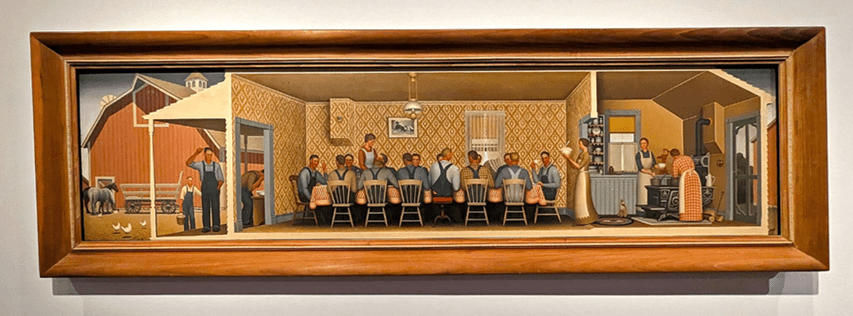
That everybody else is doing it will not count for much in the great age of innovation. There is a call for artists to think outside the frame. Much of the history of art in the last 150 years has been the disintegration of prior art forms that artists have used for centuries. Now, we have a new vehicle, which lends itself to making odd shapes and to integrating with other materials such as wood, metal, or glass. And that innovation is metal prints. They are much more versatile than anything that has come before, and they look great too. So, let’s get back to easy and inexpensive cutting. There are five types of cutting, which make sense. The first is cutting away portions of a mental print (a photograph) that one doesn’t want in the picture. This leaves you out of control of the final product, as the resulting shape will be random. But will it be usual to see in a gallery or museum a lot of random-shaped metal prints someday? Perhaps.
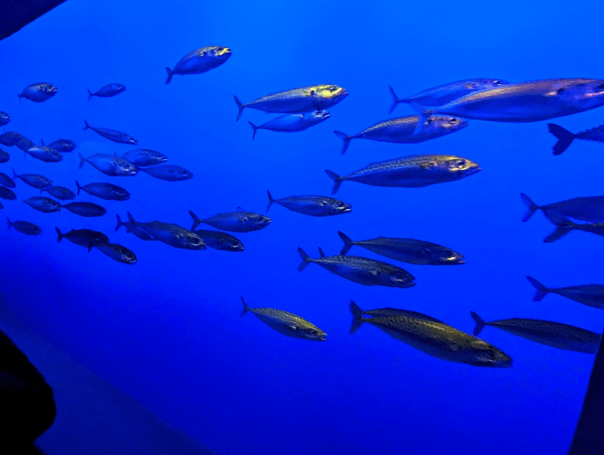
Original
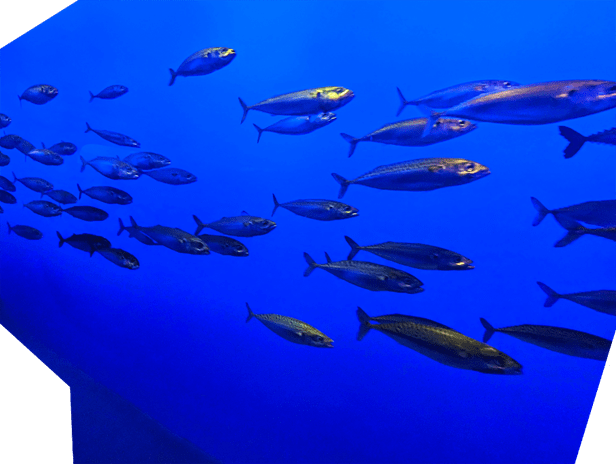
Black parts cut out (random shape)

The second type of cutting is a purposeful cut. One that purposely cuts away part of a metal print to achieve a particular shape that coordinates with the photograph. This can is much more orderly and less random. The purpose is to achieve a photograph that makes sense together with its purposeful shape.
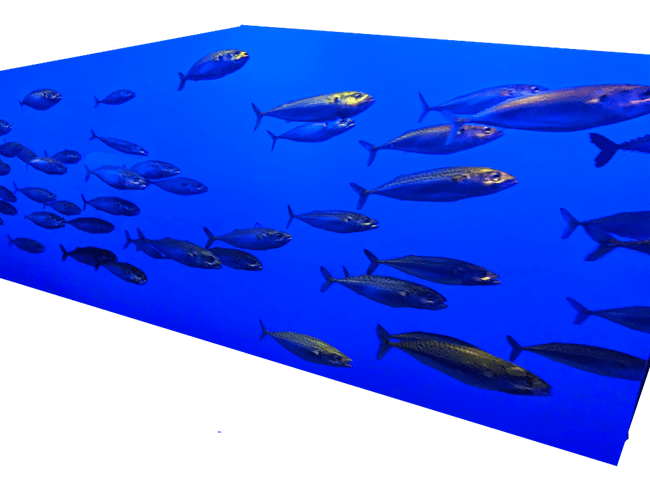
Purposeful cutout

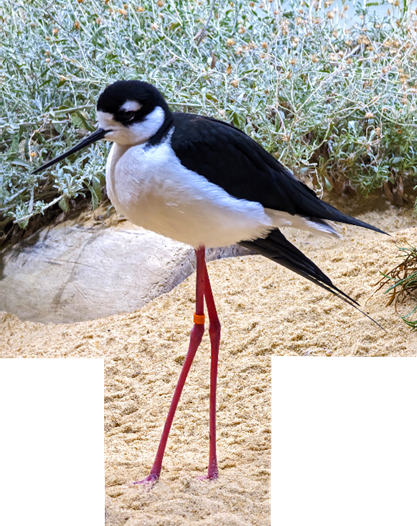
Third, one type of cutting is the silhouette. You simply cut away all of a photograph except for the subject. For instance, for a bird, one might cut away the entire photograph except for the bird itself, leaving a metal print that’s the silhouette of the bird. If any type of cutting can be said to be common already, this is the technique.

A fourth approach, which promises much potential, is to determine the shape of the picture first. Then find photographs or take photographs that fit well inside the non-traditional shape. Although Photoshop (or similar software) enables you to do this easily, the actual creative thinking behind this approach can be very complex, difficult, and likely time-consuming.

But it will be a part of the new photography. Artists will pay particular attention to shapes they can use that have an aesthetic value of their own, or at least provide an aesthetic complement for a photograph.

A predetermined shape

Two predetermined shapes make a nice combination

The fifth application is the collage. You can assemble a number of photographs into one metal print and cut it into any shape.

A collage on one metal print cut into a creative shape

The collage above is just a collection of travel snapshots to demonstrate the cutting possibilities. Not much imagination. But think of the creative possibilities for the use of this technique.

The following is a college by David Hockney. It’s on a gray background. It would look better as a cutout. (More on David Hockney in the next newsletter.)
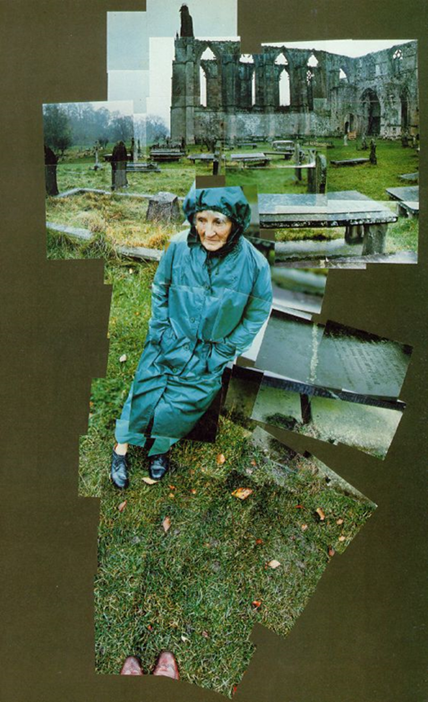
Hockney’s mother

The metal print, and its potentially nontraditional shape, makes possible a standalone product of the future. That is, you can mount any shape on the wall without a frame. And as discussed above, a metal print lends itself to a wide range of additional treatment well beyond that of traditional framing (although this article is simply about cutting shapes).

Where does this leave the photographer? Well, for standalone prints in innovative shapes, it leaves a photographer by himself or herself alone. That’s not the whole story, however. A photographer who combines a metal print with other treatment may involve a second person (a second artist). This is already a common practice, in effect. With the frame being a crucial part of a work of art itself, many photographers and patrons leave the framing to a frame shop to provide an attractive frame. Thus, the second person today is the owner of or a worker at a frame shop who has the artistic sense to make a good match between a photograph print and the frame.

In the future, one can imagine the photographer will need a different second person to provide nontraditional framing. That second person will be another artist. That is not to say that one person (the photographer) can’t cover the creation of innovative framing too. In reality, however, the new framers will be specialty artists who think outside the traditional frame.
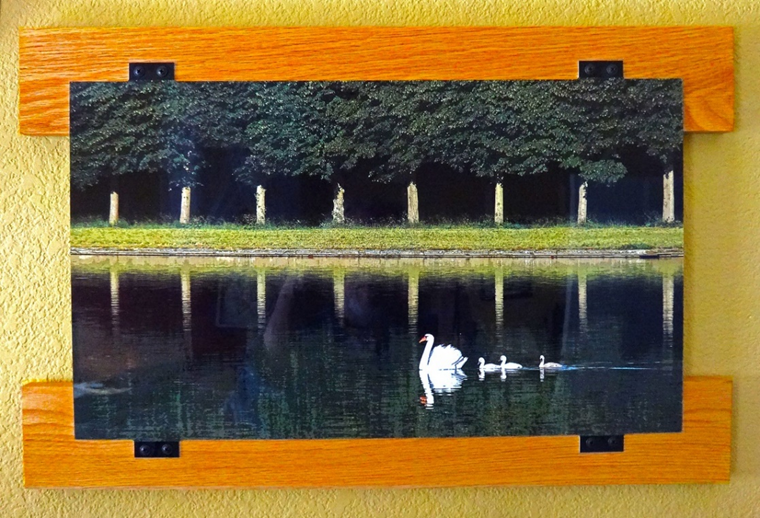
Cut with tabs and the tabs screwed to wood

There is nothing in regard to cutting and framing that detracts from the photographer’s art. These are additional tools to showcase the vision of the photographer in any photograph. Photographers, who decide to conform to the traditional frame, will best process photographs to be displayed on an LED screen. For photographers who desire to create one-off works of art, the new metal printing, shaping, and nontraditional framing will prove a very productive escape from taking photographs to be shown only in squares and rectangles.
As with any revolution in art, current and past generations of artists will continue to pursue the old traditions. But new generations, and those current artists who look to the future, will experiment with new shapes and nontraditional framing more and more. Come back in 25 years, and a photography art gallery will not look the same as it does today.

Note: PSPC members use the code PSPC15 to get a 15% discount at MagnaChrome.

Pandas & Conservation Photography, April 12

Giant Panda on 2 Tree Trunks, © Katherine Feng

The April meeting of the Pagosa Springs Photography Club will be held on Wednesday, April 12, 6:30 p.m., at the Community United Methodist Church, 434 Lewis Street in Pagosa Springs. Our speaker this month is Katherine Feng. Katherine’s presentation will be on Using Conservation Photography to Help Save Endangered Species

Katherine Feng is a retired veterinarian who devotes her photography to protecting China’s endangered species and their habitat.  Katherine is a Senior Fellow of the prestigious International League of Conservation Photography.  

Katherine spent 6-9 months a year for 4-1/2 years in China’s Wolong Nature Reserve documenting the work of staff and researchers to save the giant pandas from extinction.  Her images have been published internationally in calendars, books, National Geographic, Paris Match and numerous conservation magazines. Her giant panda images are featured in the children’s book, Panda Kindergarten.

Waving Panda, © Katherine Feng

Katherine will present a program on how she approaches conservation photography to educate the public about wildlife, their habitat and people’s efforts to protect them.  She works closely with the different nature reserves in China where she donates her images for conservation purposes.

Katherine’s presentation will feature photos of China’s giant and lesser pandas as well as the lesser-known snub-nosed monkeys and the critically endangered black-crested gibbons and white-headed langurs. The presentation will also be available by Zoom; for Zoom information contact Andy Butler at abutler@mac.com

The Pagosa Springs Photography Club sponsors educational programs and outings to help photographers develop their skills. Photography Club members learn from one another and build their networks. The Club welcomes photographers of all skill levels. Dues for 2023 are just $25 ($35 family). For more information about the club, and to download a membership application, visit our website at https://pagosaspringsphotoclub.org/about/ .

A Photo Display System

by Joseph T Sinclair

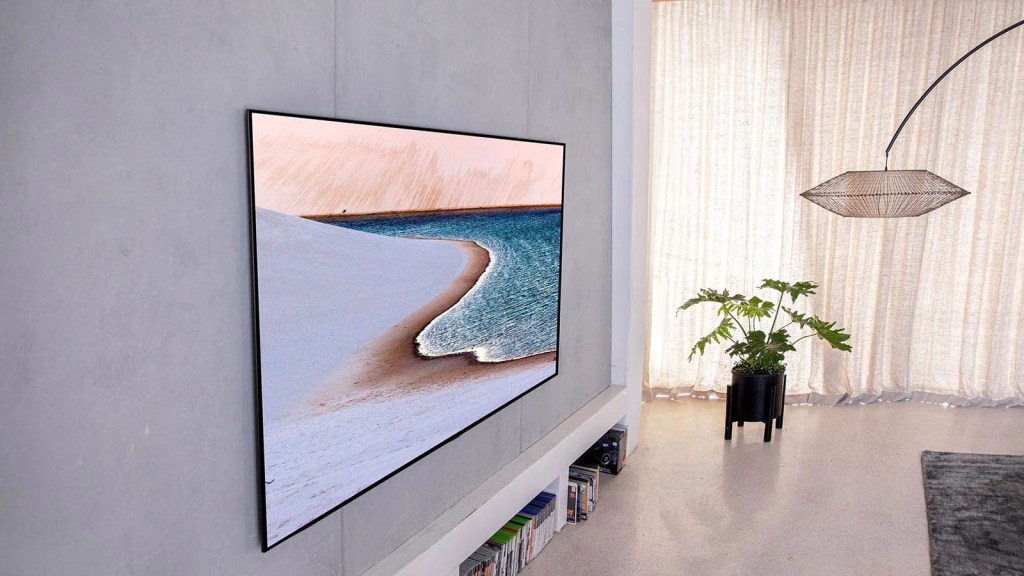
It seems to me that the day of the framed photograph may about to be superseded by digital technology. Think about a digital (LED or other similar technology) display thinner than a typical photograph + frame. Such displays already exist.

Why not put an LED screen on the wall as an object of art; that is, why not display photographs on an LED as a household or office decoration?

What are the advantages over a traditional framed photograph?

  • Lit-up brilliance A photograph on an LED can take advantage of the lit-up capability and add a new dimension to both traditional, modern, and future photography. An LED can also display muted colors; it doesn’t have to be brilliant.
  • Multiple photos  Such a display system is not limited to one photograph. Photographs can be changed as often as desired.
  • Power The power for such a system can be provided by batteries or by normal electricity build into the wall.
  • Computer controlled Such a system can be computer controlled (e.g, desktop, laptop, tablet, smartphone).
  • Low cost The cost of such a system can be low today and will get lower in the future.

These are some characteristics to play with in designing a digital display system. Below is one example of how such a system might work.

This is my idea of a living room art system:

  • Six LEDs of varying sizes on the walls.
  • Controlled by a computer (e.g., a smartphone app).

This system, although seemingly ambitious, can be assembled to cost less than a serious stereo sound system. What can you do with such a system?

  • Change the photographs displayed occasionally to avoid boredom.
  • Create themes for the photographs displayed and use different themes for different occasions or for different looks (e.g., parties, Christmas, baroque, impressionist, etc).

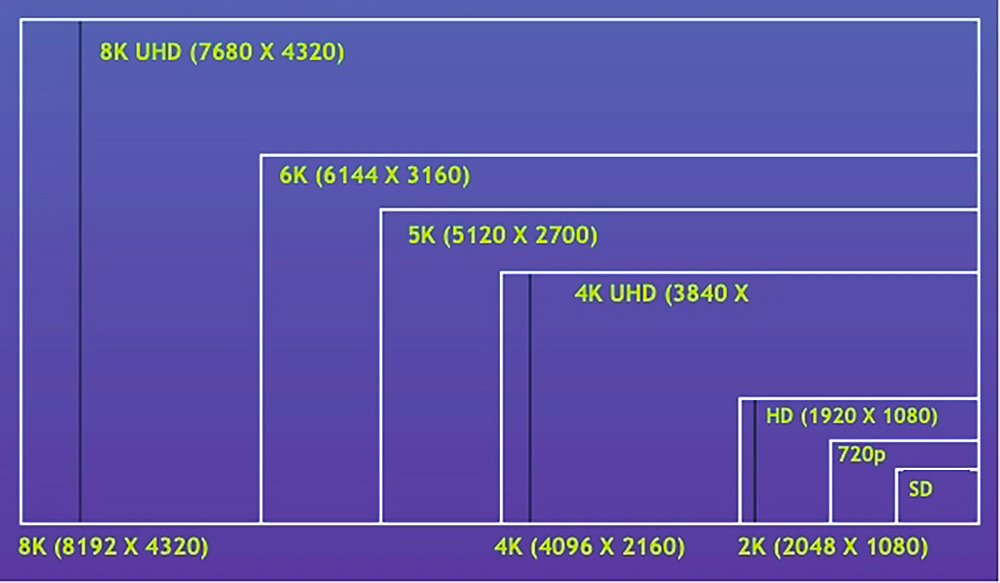
The photographs for the 6-LED system will have to be ultra-high resolution (8K – 8192 x 4320) in order to display effectively on large LEDs and be usable in the future. Vendors will sell packages of photographs that meet the ultra-high-resolution requirements. Fine art photographers will take care to shoot photographs that meet the ultra-high-resolution requirements.

Sensors An HD (1920 x 1080) photograph requires a 2MP sensor. Virtually all digital cameras have more powerful sensors today. But an 8K photograph requires a 35MP sensor. Most of today’s digital cameras do not meet such a requirement. But an 8K photograph is only necessary for very large displays. So, a 5K photograph requiring only a 14MP sensor is a good interim standard to aim for. Keep in mind that most software will automatically enlarge an image that’s too small for the requisite display. But enlargement means a potential loss of quality. Thus, a higher resolution photograph is desirable.
Photographs can’t be fuzzy in large displays

The software for a LED system will enable a user to set the amount of lit-upness and other visual qualities for each photograph. So, it will be difficult to tell looking at an LED inside a wooden frame whether the display is an actual photograph print or a digital display.

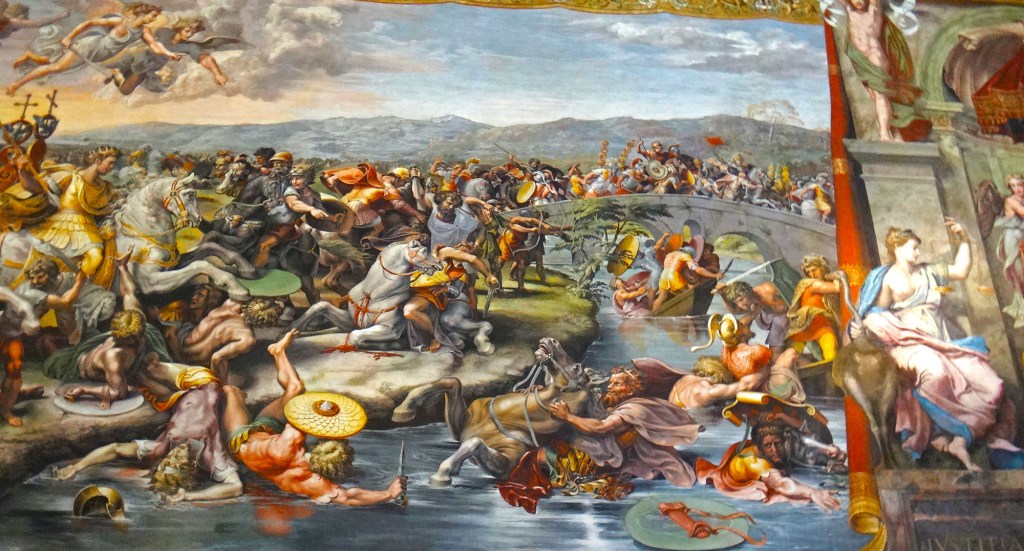
Beyond photographs by photographers, there’s another dimension: photographs of art. People buy posters and coffee-table books in art museum shops published with photographs of the art in the museums. Why not digital display versions?

Keep in mind that the primary missing ingredient of an LED display of art is the texture. But you will be able to elect to add appropriate texture simulation via the software.

Of course, not all art lends itself to being displayed well on an LED screen. But a lot of art does. And some art looks better in photographs than the original work of art itself. My 6-LED system can turn a living room into an art museum.

17th April 2020, No. 2 iPad Drawing © David Hockney

By the way, my research shows that such a system is readily available today, primarily for commercial use (i.e., video wall systems for offices and business buildings) and very expensive. One application you will recognize is signage. For instance, in fast food places today, the menus are on LEDs. Although such systems are expensive today, prices will come down dramatically as systems become popular for home use. Digital components are not terribly expensive, and the software is simple.

But what about those of us who are still listening to AM radio, never had a big-time stereo system, and can’t afford such a 6-LED system? Well, LED screens of various sizes are inexpensive today and will be cheaper in the future. They are cheaper than many art frames today and will perhaps be as cheap as inexpensive frames in the future.

The system I have outlined doesn’t have to have six LED screens. It can have just one. The system uses LEDs as dumb terminals (receptive-only devices): in essence computer monitors. The screens are hooked up to power from the building; they have only enough storage for one photograph; they don’t have software; and they don’t have a CPU (computer). The image storage, software, and CPU are provided by a smartphone, tablet, laptop, or desktop. In other words, the computer-driven LED is likely to be the photograph frame of the future.

Of course, portable digital display devices have been available for a long time. They are self-contained with power (batteries), storage, CPUs, software, and LEDs all built in. They are designed to be setup on a flat horizonal surface, such as a table or desk; and they are intended primarily for friends and family snapshots.

So, the idea of using LEDs to display photographs is not a new one. And my 6-LED-room-display system in this article is just one idea of hundreds that might be devised using digital display technology; technology that exists today; technology that is about to revolutionize the future of photographs on display.

Will frame shops become extinct? Probably not. Frame shops may provide attractive frames for LEDs, perhaps frames that can be easily changed to match different photographic themes. Frame shops may also become the place to buy an LED-home-display system.

What about photographers? How will you sell your photographs? As NFTs? As 8K JPGs? In a copy-protection sales system such as Kindle or iTunes? In theme packages of multiple photographs? Something to think about.

March 8 Meeting: The Magic of Africa

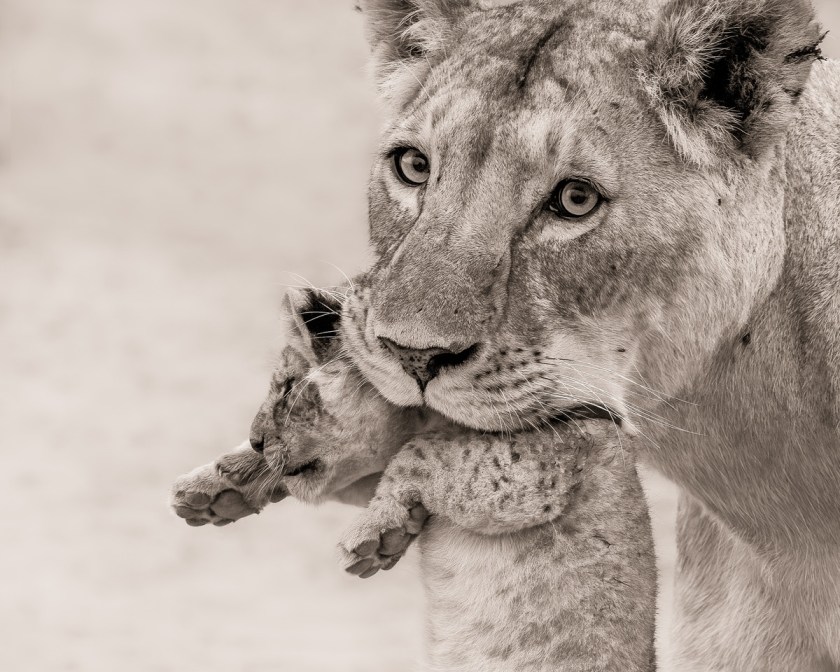
Lioness carrying Cub, Beth Tollefsen

The next meeting of the Pagosa Springs Photography Club will be held on Wednesday, March 8, 6:30 p.m., at the Community United Methodist Church, 434 Lewis Street in Pagosa Springs. Our topic this month is The Magic of Africa, presented by Pagosa Springs based photographer Beth Tollefsen. This will be a hybrid meeting, also available on Zoom. The Zoom link will be emailed to members; others who wish to attend by Zoom may request the link by email to abutler@mac.com. If attending in person, feel free to arrive any time after 6 p.m. for socializing; the actual presentation will begin at 6:30 p.m., MST. Photography Club meetings are open to the public.

Beth Tollefsen has photographed extensively in the American West and in East Africa. According to Beth,  after one visit to Kenya she was hooked, falling in love with the people, land and of course the animals of Africa.

Being on safari in the heart of the African bush is one of the few places left to experience nature that is still raw and wild.  

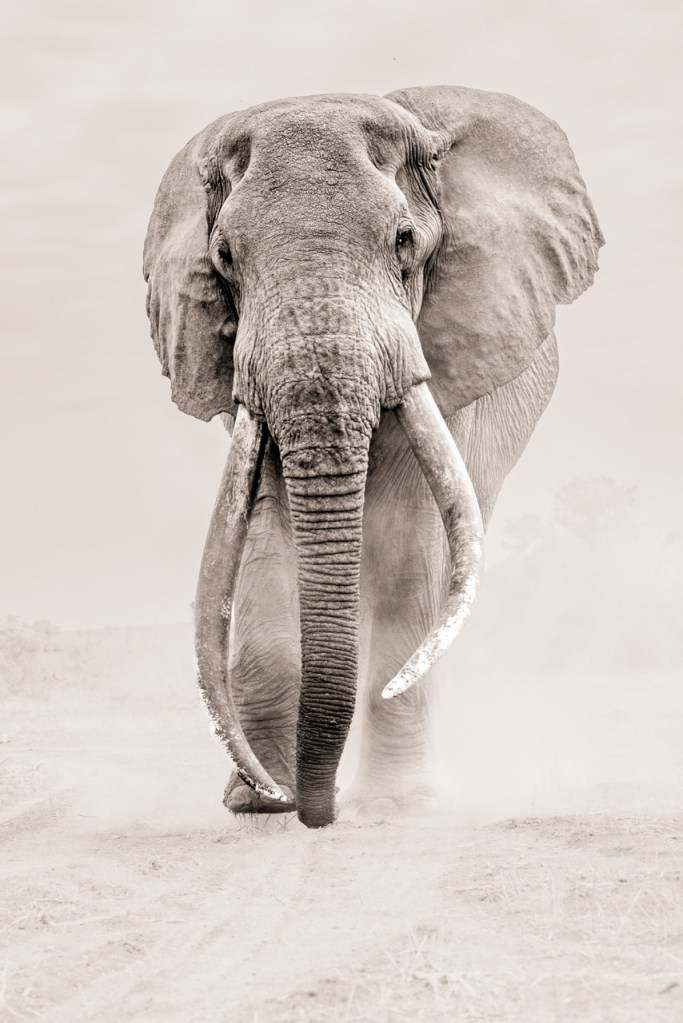
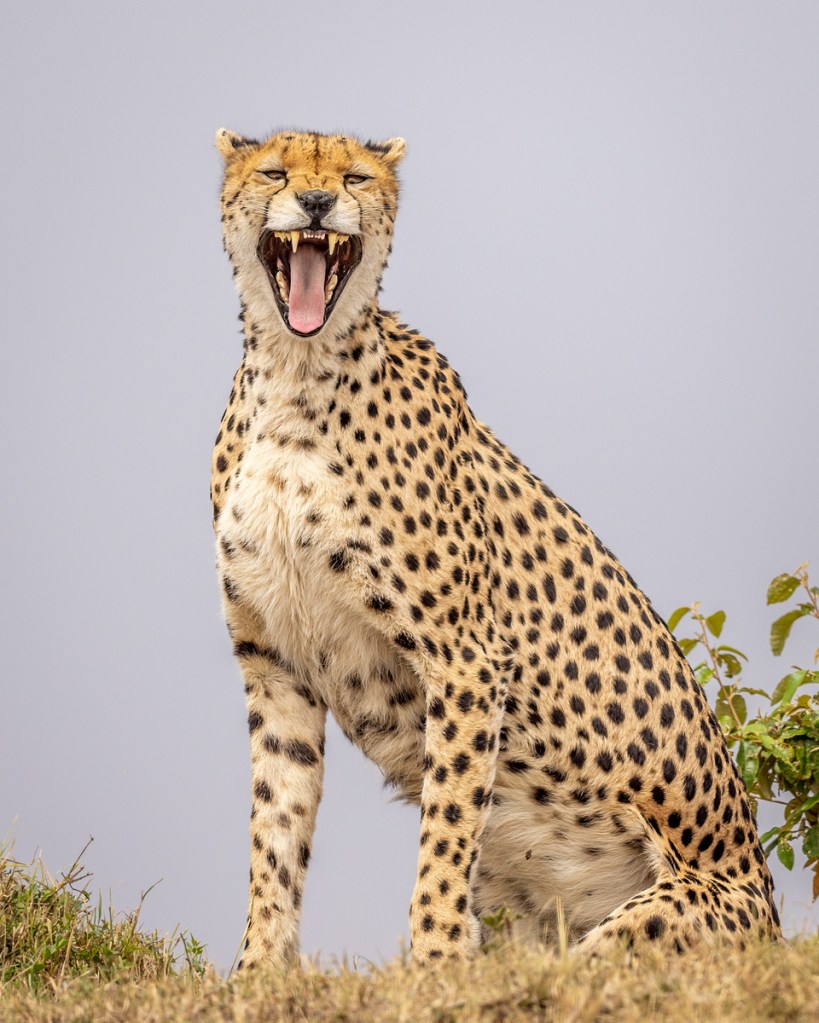
According to Beth, “It does not matter if you are new to photography or a seasoned photographer, you will come home with images that you will treasure.  It is hard to explain the feeling when you watch the bonds between mother and baby.  Lions live in a pride and it is quite evident the love and respect they have for each other.  You will see them eating, sleeping, playing grooming and simply showing affection for each other.  The elephants are such intelligent family oriented animals.  Then there are the zebra, wildebeest, impala, giraffe, rhinos, hippos, buffalo, colorful birds and the very entertaining baboons and monkeys!  Just too many animals to name them all!”

It is Beth’s hope that the images she shares will bring awareness of the lives of animals and the heart and soul they each have and why it is important to protect the wild areas that sustain these magnificent creatures. 

Beth will share photos from three trips, two to Kenya and one to Zimbabwe.  She will touch on the different types of safaris available, what to expect, and what to look for if you choose to take a trip of a lifetime to Africa.  

The Pagosa Springs Photography Club promotes educational, social and fun interactions between all who enjoy making and viewing great photography.  The club sponsors educational programs and outings to help photographers hone their skills.  The Photography Club’s membership year begins in January. We welcome photographers of all skill levels. Dues for 2023 are just $25 ($35 family). For more information about the club, and to download a membership application, visit our website at https://pagosaspringsphotoclub.org/about/ .

Shoot the Antelope

by Joseph T Sinclair

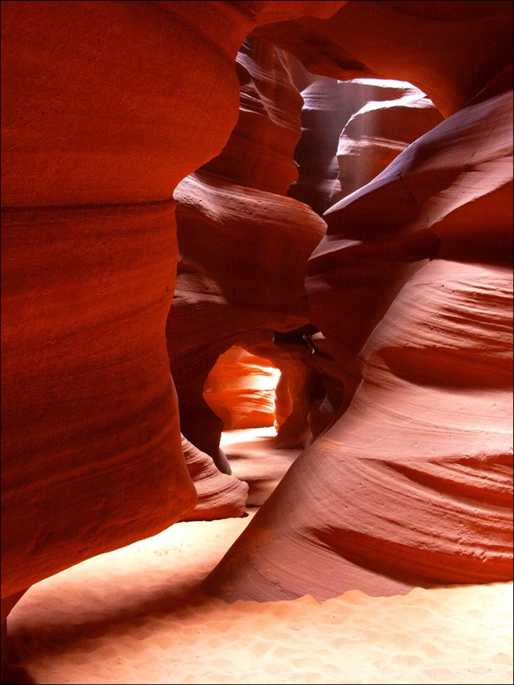
The slot canyons near Page, Arizona belong to the Navaho Native Americans. To visit them you need a Navaho guide. So, I made a reservation for a three-hour visit. I showed up with about a dozen other people for the tour. Everyone else was a professional/fine-art photographer making the pilgrimage to Page to get the ionic shot of the sun streaming down into Antelope Canyon.

My version of the iconic photograph

To get the iconic shot, the Navaho guide picked up a hand full of sand and threw it up in the air. This set off the shaft of light just the right amount for an iconic photograph. It also put so much sand in my camera that it later took a full can of compressed air and 30 minutes to blow it all out. But what the hell, it’s an iconic shot.

image-1

There are several things to keep in mind. You need to wait until the right time (about noon) to get the iconic shot. There are electrical wires that stretch across the slot canyons from the Navaho coal-fired electricity-generating plants nearby; you will probably want to keep them out of your photos. There are a lot of people in Antelope at noon, even though access is controlled. You could get caught in a flash flood. There was one in 1997 that killed 11 people in Antelope Canyon. But what the hell, it’s an iconic shot.

I calculated with information at hand that about 17,000 professional/fine-art photographers take the iconic shot each year. That simply means if you want to achieve any photographic status more than just as a mere amateur, you will have to go to Page. No exceptions.

Color and Intensity of Light

The next meeting of the Pagosa Springs Photography Club will be held on Wednesday, February 8, 6:30 p.m., at the Community United Methodist Church, 434 Lewis Street in Pagosa Springs. Our topic this month is Using the Color and Intensity of Light to Enhance Images. The presentation will be a video on the subject by National Geographic photographer Joel Sartore. This will be a hybrid meeting, also available on Zoom. The Zoom link will be emailed to members; others who wish to attend may request the link by email to abutler@mac.com. If attending in person, feel free to arrive any time after 6 p.m. for socializing; the actual presentation will begin at 6:30 p.m., MST. 

For our program, we will watch and discuss a video by National Geographic photographer Joel Sartore about the Color and Intensity of Light, and how these characteristics can be used to establish mood and enhance the overall composition of your images. 

Club members may bring up to five images on a flash drive to share and discuss with the group following the presentation. As a reminder, submitted images should be JPEG (JPG) format. Resize to about 2000 pixels in the longest dimension.

The Pagosa Springs Photography Club promotes educational, social and fun interactions between all who enjoy making and viewing great photography.  The club sponsors educational programs and outings to help photographers hone their skills.  The Photography Club’s membership year begins in January. We welcome photographers of all skill levels. Dues for 2023 are just $25 ($35 family). For more information about the club, and to download a membership application, visit our website at https://pagosaspringsphotoclub.org/about/ .