Digital Photography Contest Winners

The Fourth Annual Digital Photography Awards Celebration of the Pagosa Springs Photography Club was held on October 13 at the PLPOA Clubhouse, and by Zoom. This year 17 photographers submitted images in four categories: Landscape, Creative, People, and Nature. Images in each category were judged by a professional photographer on the bases of composition, impact, and technical quality. In addition, Club members voted to determine “People’s Choice” winners for each of the four categories. 

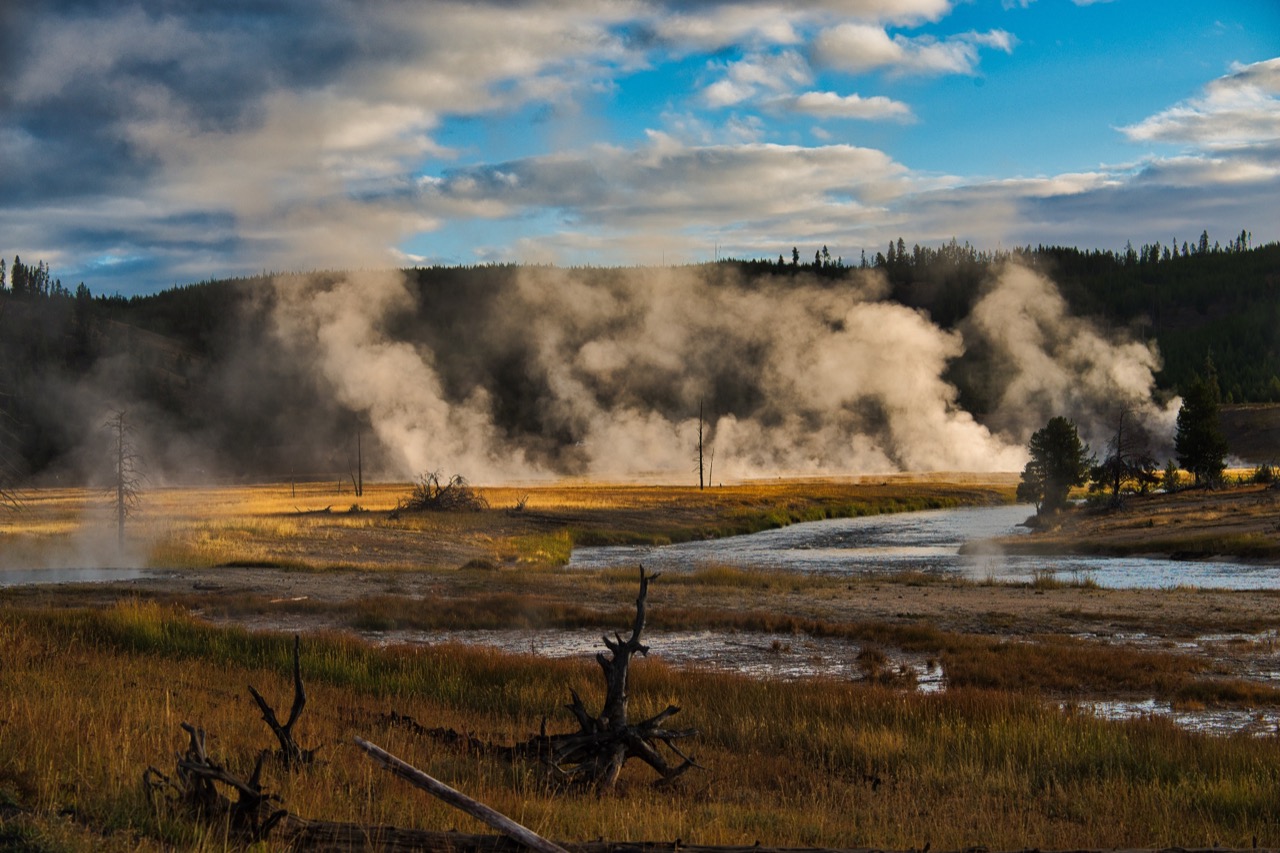
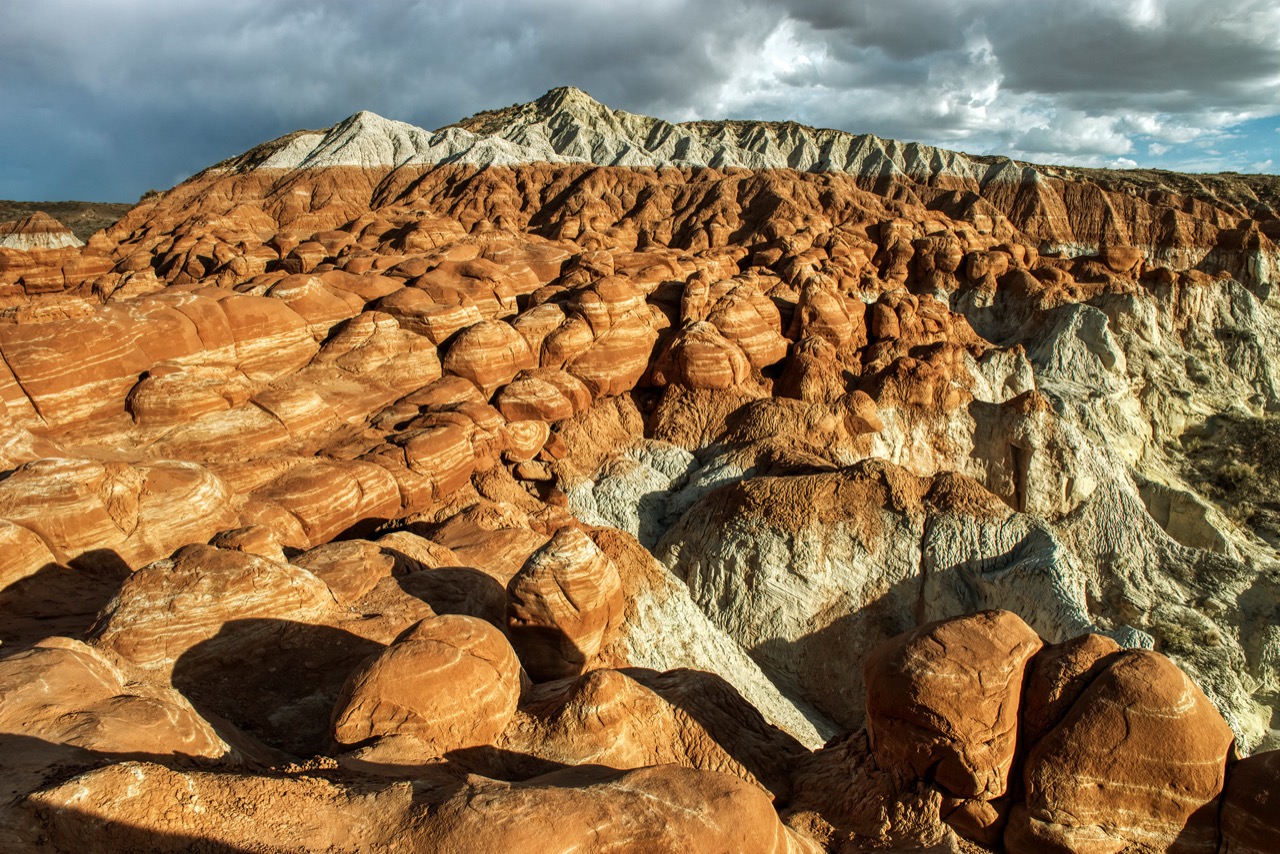
In the Landscape category, Dave Anderson won first place for his image Great Sand Dunes Sunset. Second place went to Andy Butler, for Ancient Twilight, and Chris Roebuck received third place for Death Valley 2021. Dave Minkel’s photo Firehole River was awarded Honorable mention in the category. In the People’s Choice voting , Anderson’s Great Sand Dunes Sunset was 1st, Bill Milner received 2nd for Utah Toadstools -1 and John Farley was awarded 3rd for Approaching Snow Squall. (Click the thumbnails to see larger versions of the images).

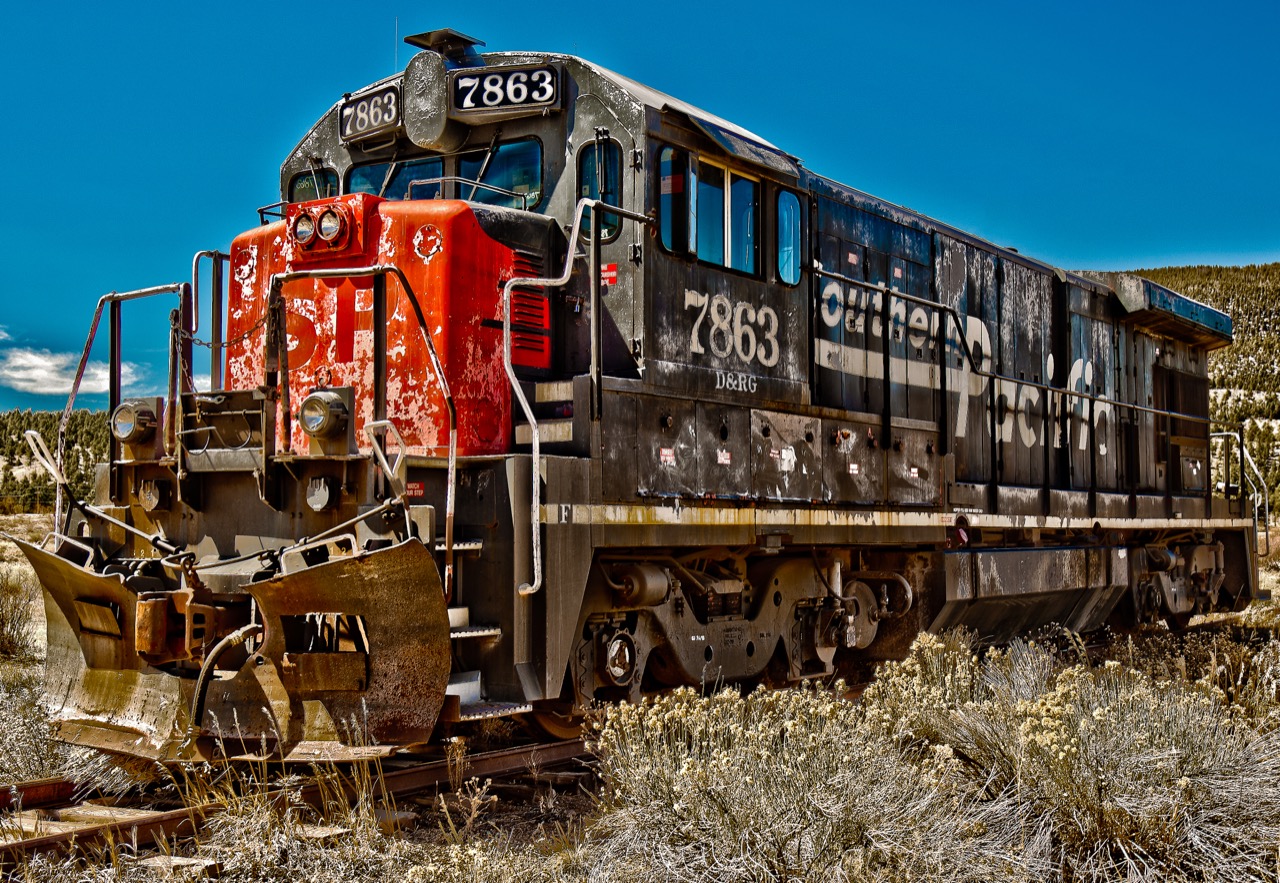
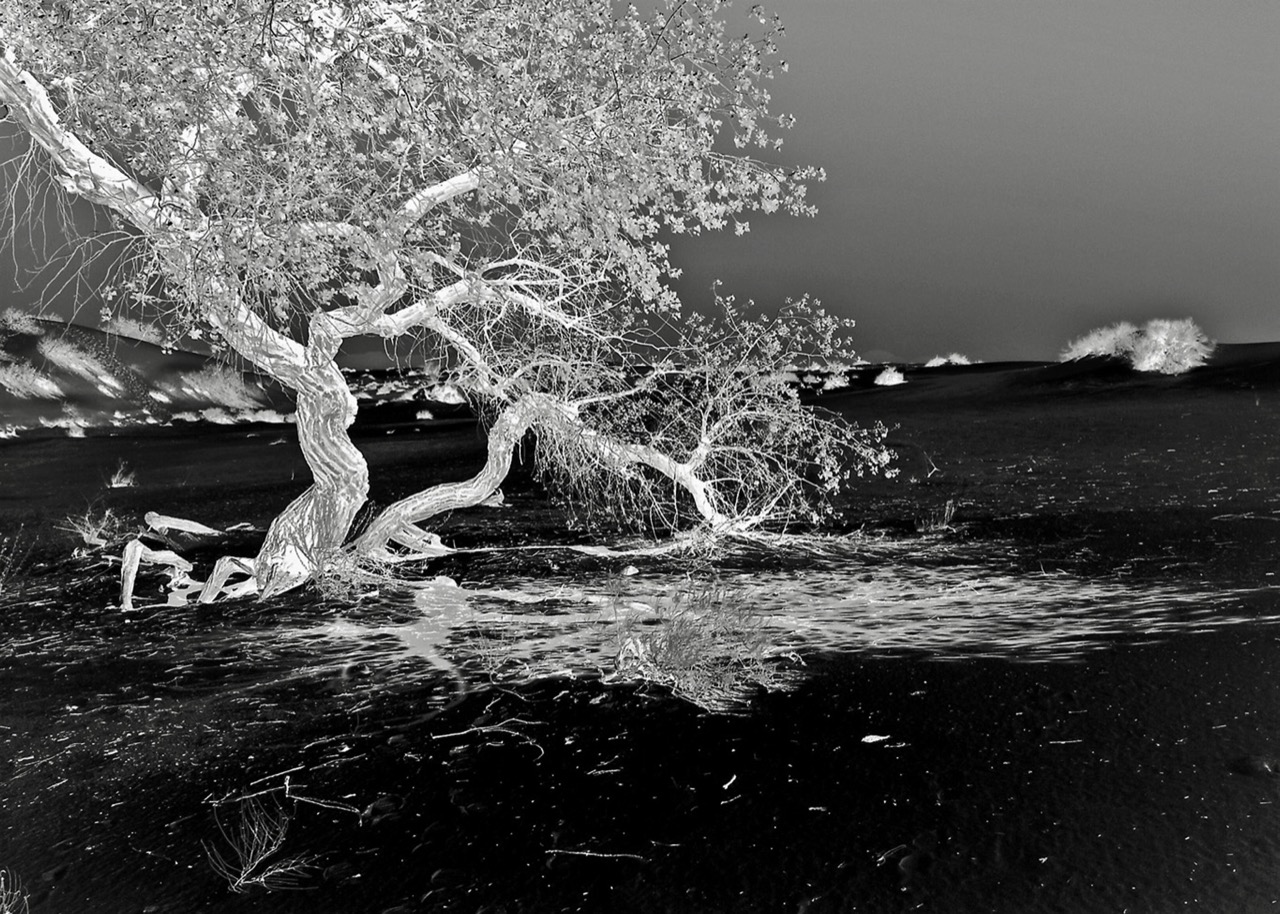
The winning image in the Creative category was Coyote Maddy by Bill Milner. Milner also received 2nd in this group for his image Tin Cup Cemetery. Third place went to Dave Minkel for Engine, and Linda Pampinella received Honorable Mention for Oasis. For the Creative category, the People’s Choice winner was Buckskin Gulch by Andy Butler, 2nd place went to Linda Pampinella for Oasis, and 3rd place was a tie between Black Light, by June Russell and Globe Mallow Soft by Steve Merchant. 

Among images in the People category, Andy Butler’s In the Hall of the Mountain King was judged 1st. Angel, by Barbara Jetley received 2nd place. Scott Galabota’s Creede Hotel received 3rd and Linda Pampinella received Honorable Mention for Faces. In the People’s Choice voting for this category, Galabota received 1st for Creede Hotel, Pampinella’s Faces was 2nd, and Jetley’s Angel received 3rd. 

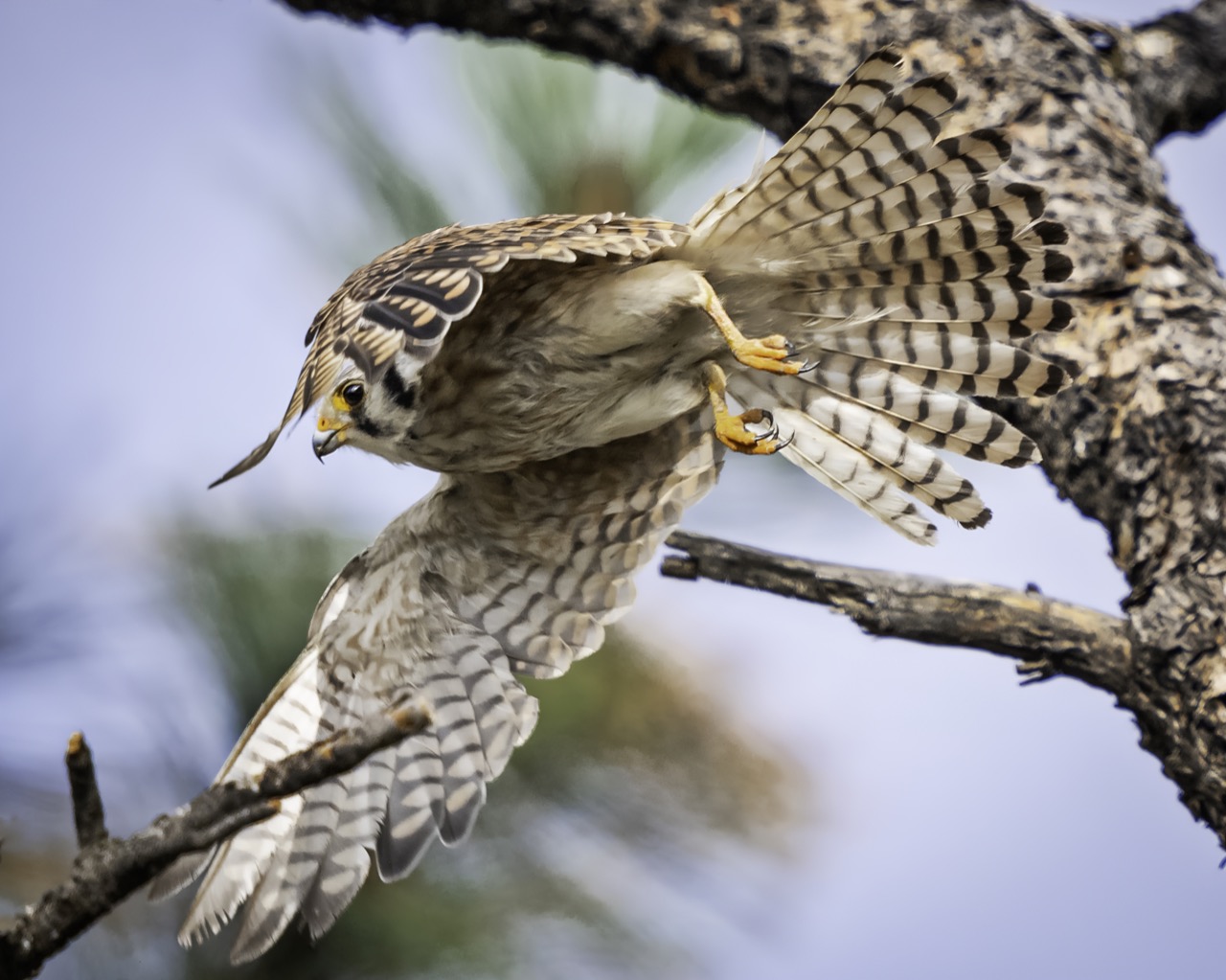
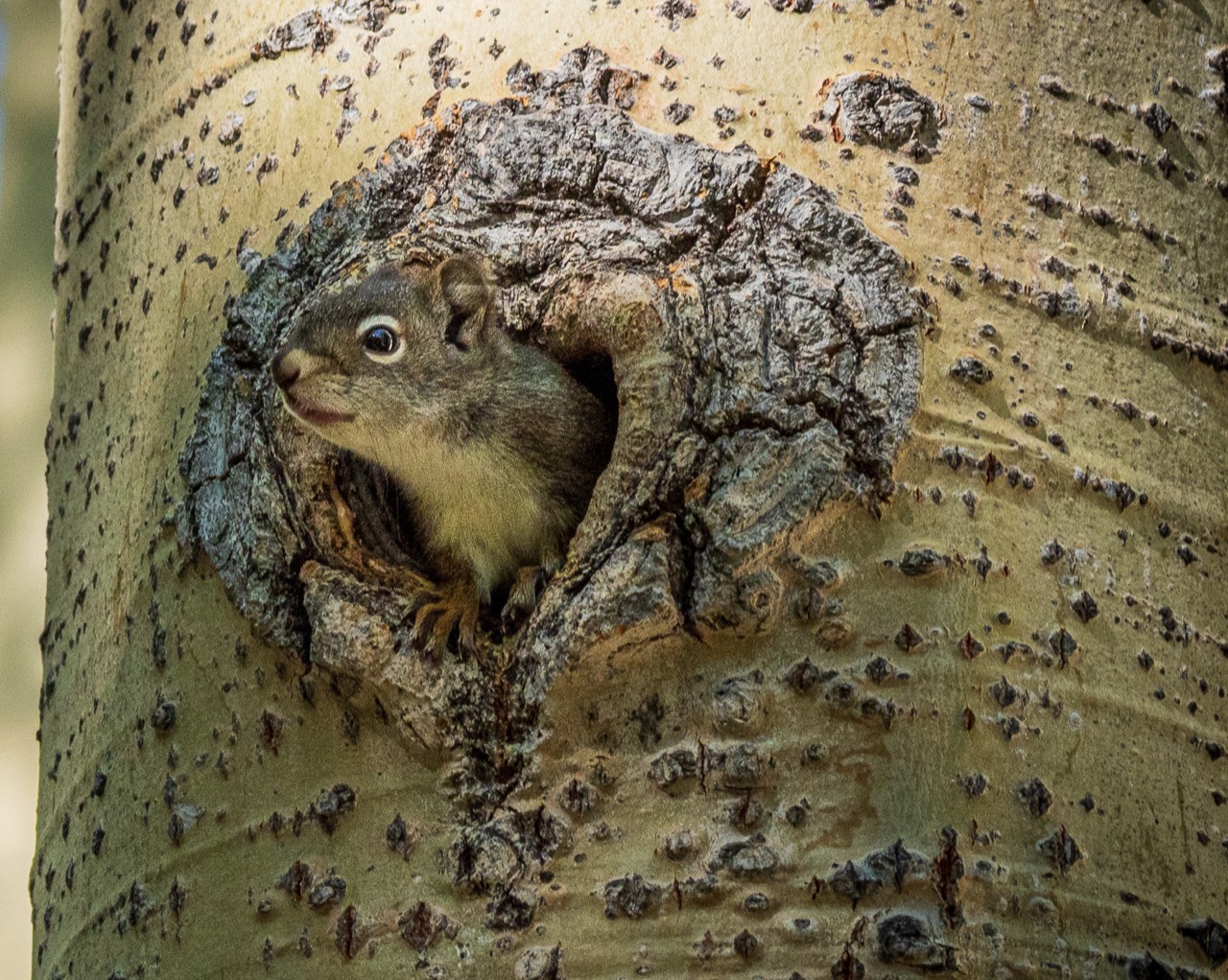
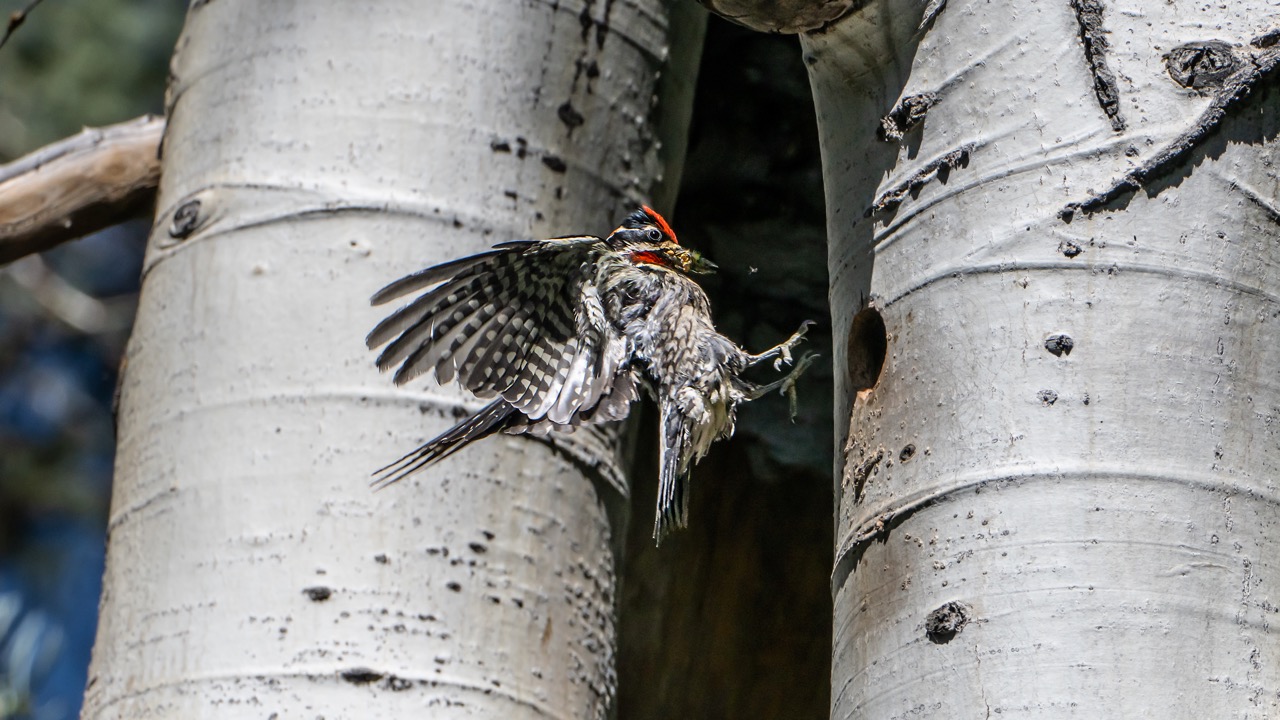
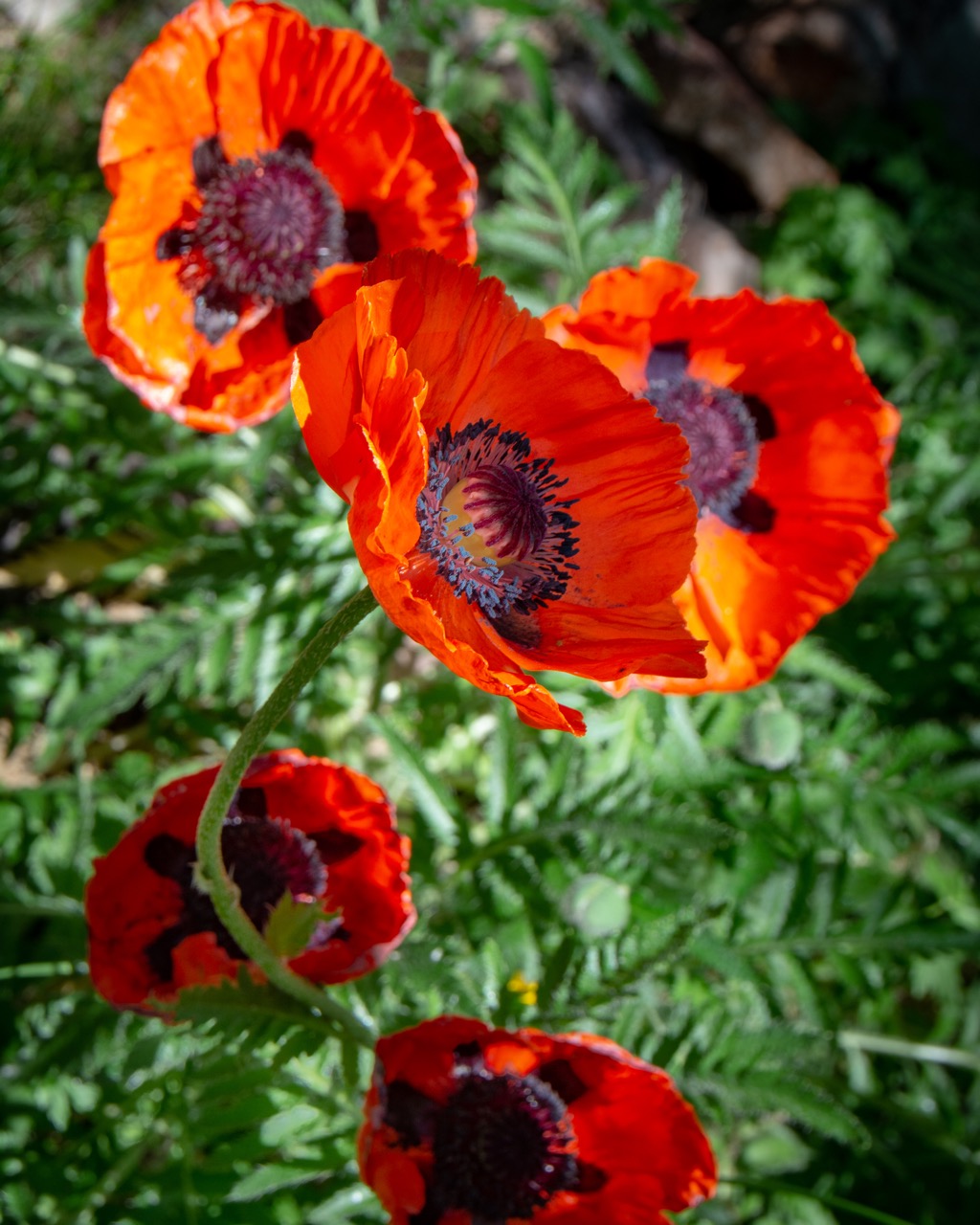
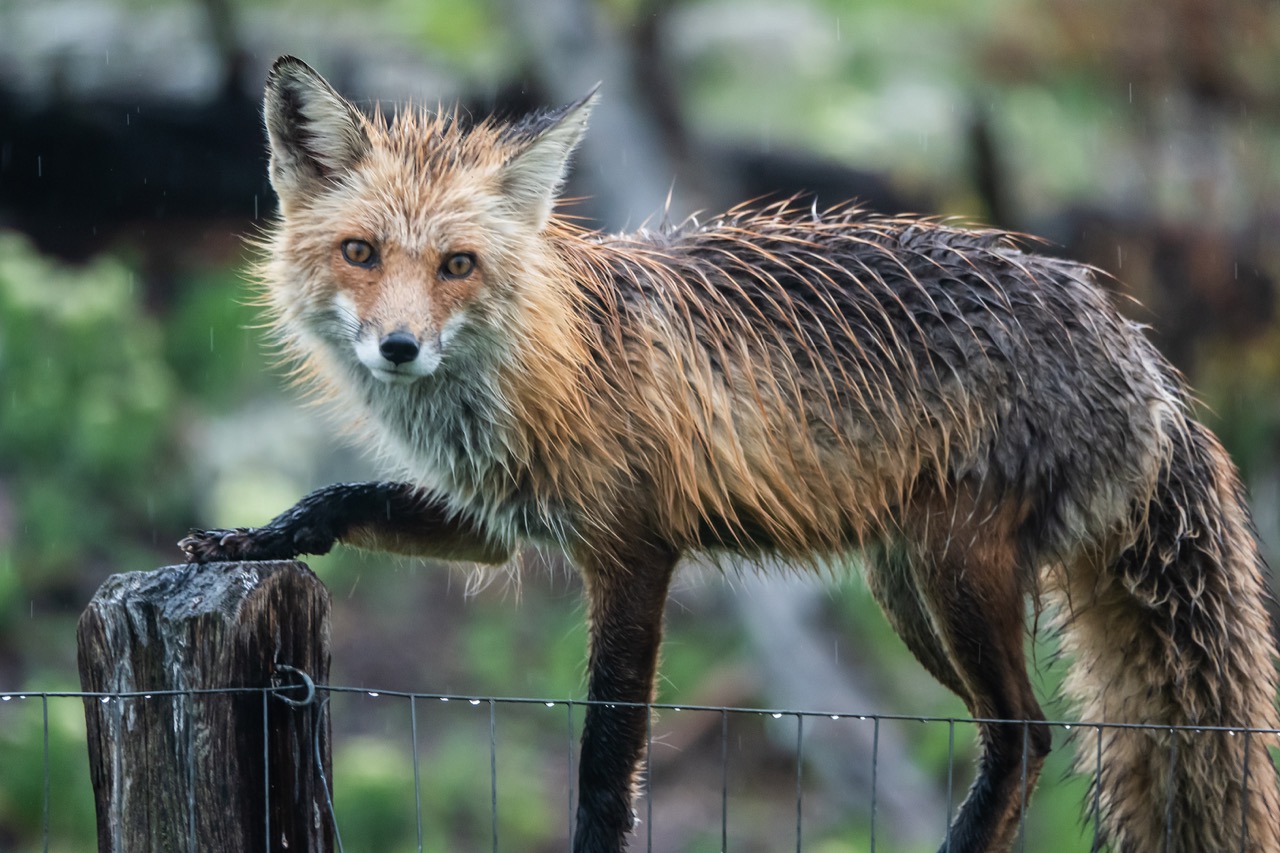
The winning image in the Nature category was Ernestine by Chris Roebuck. Second place went to Andy Butler’s Here’s Looking at you and Darry Saffer received 3rd for Meals on Wings. This was a very competitive category, and three images received Honorable Mention. These are Owls by Dave Minkel, Poppy by Natalie Duran, and Flower Power, by Steve Merchant. In the People’s Choice voting, Diane Cirksena won for her image Rain, you want Rain. Minkel’s Owls received 2nd, while there was a tie for 3rd between Combat Zone by Darryl Saffer and Butler’s Here’s Looking at you

Congratulations to all the winners! Thanks to everyone who entered, and all those who voted for the People’s choice, and those who helped with the logistics of the contest and Awards Celebration, including Scott Galabota, John Farley, Susanne Russell, and our judges, Mark Langford, Gary Musgrave, and Jeff Laydon. 

Photo Club Outing: Chama Train Chase

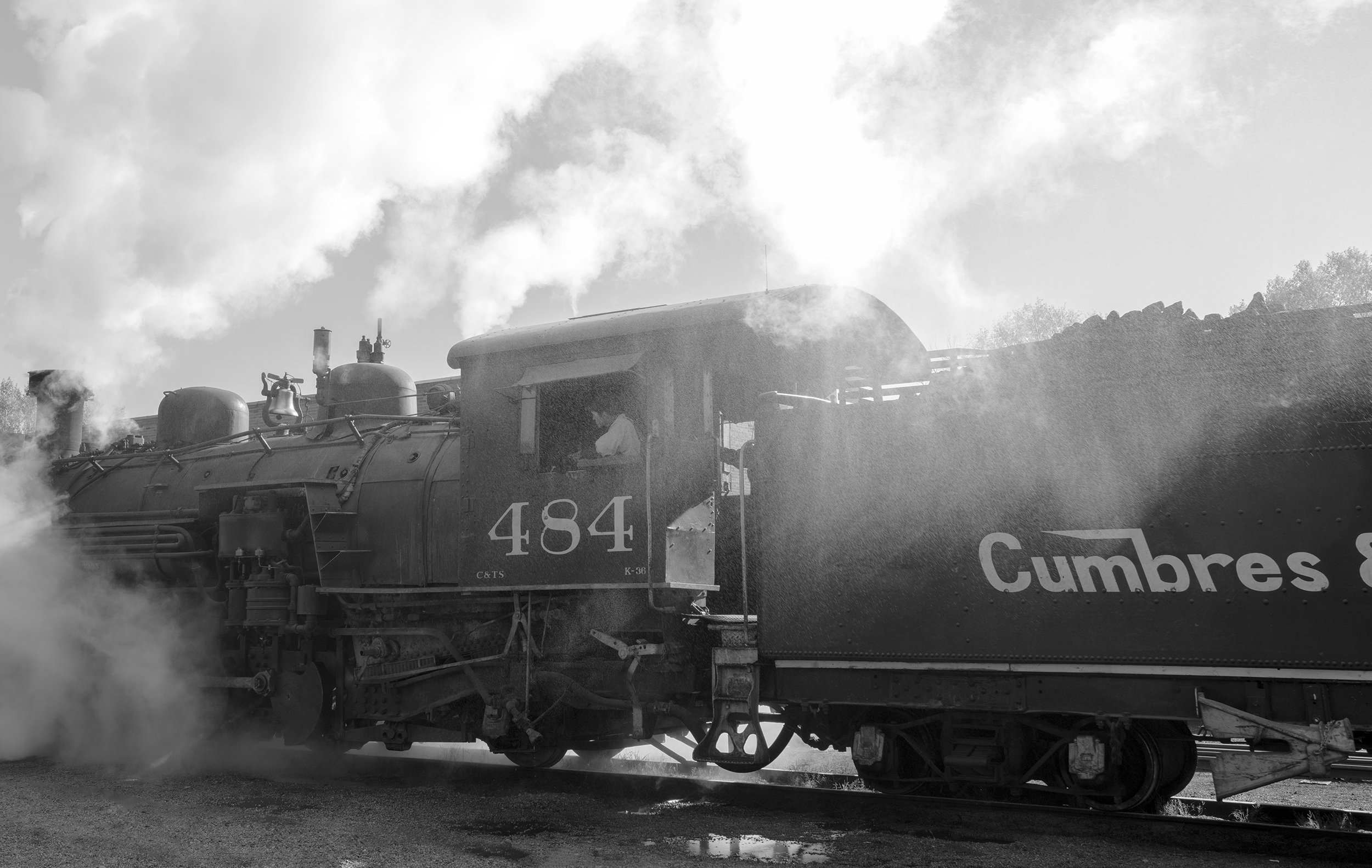
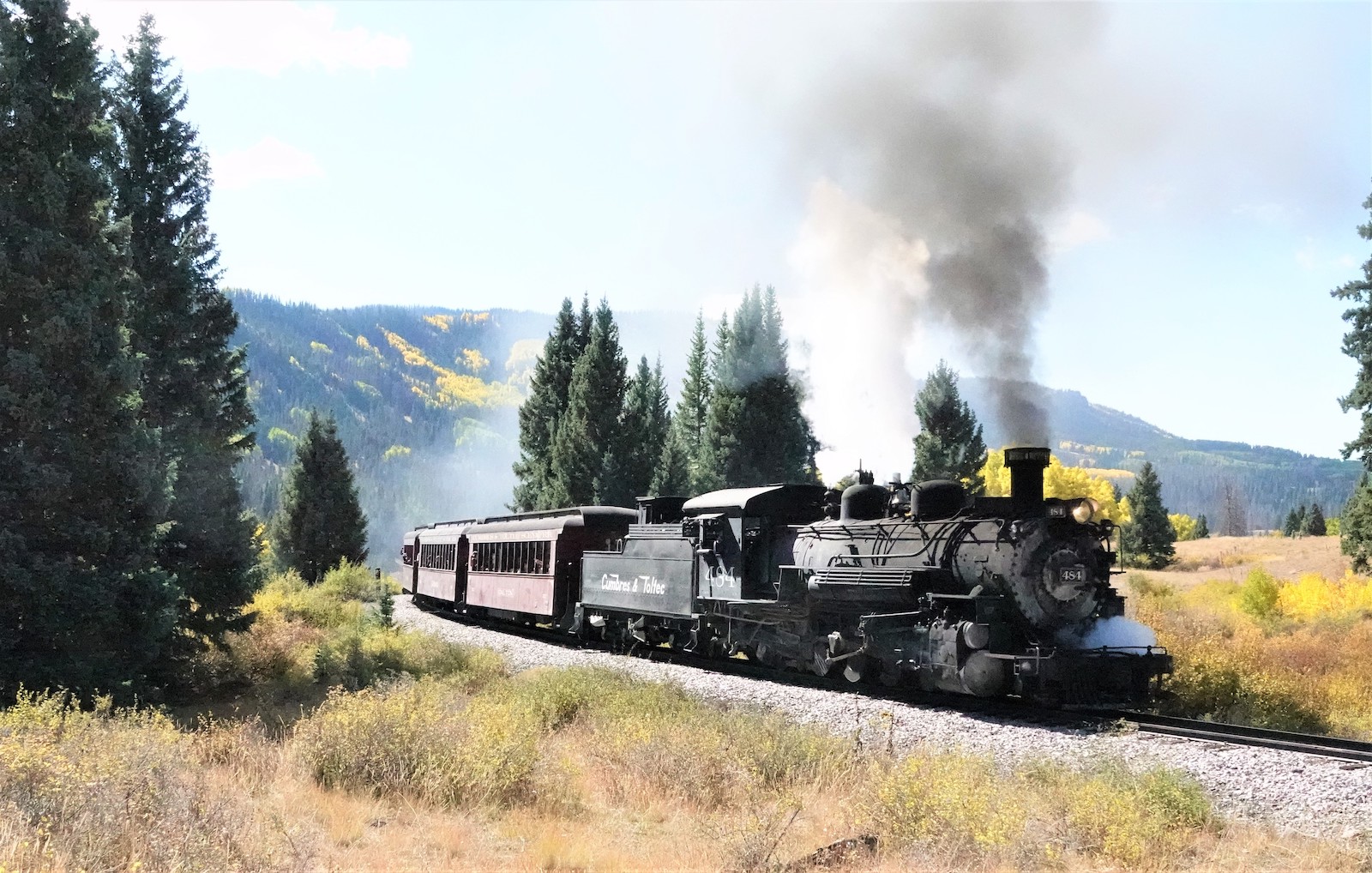
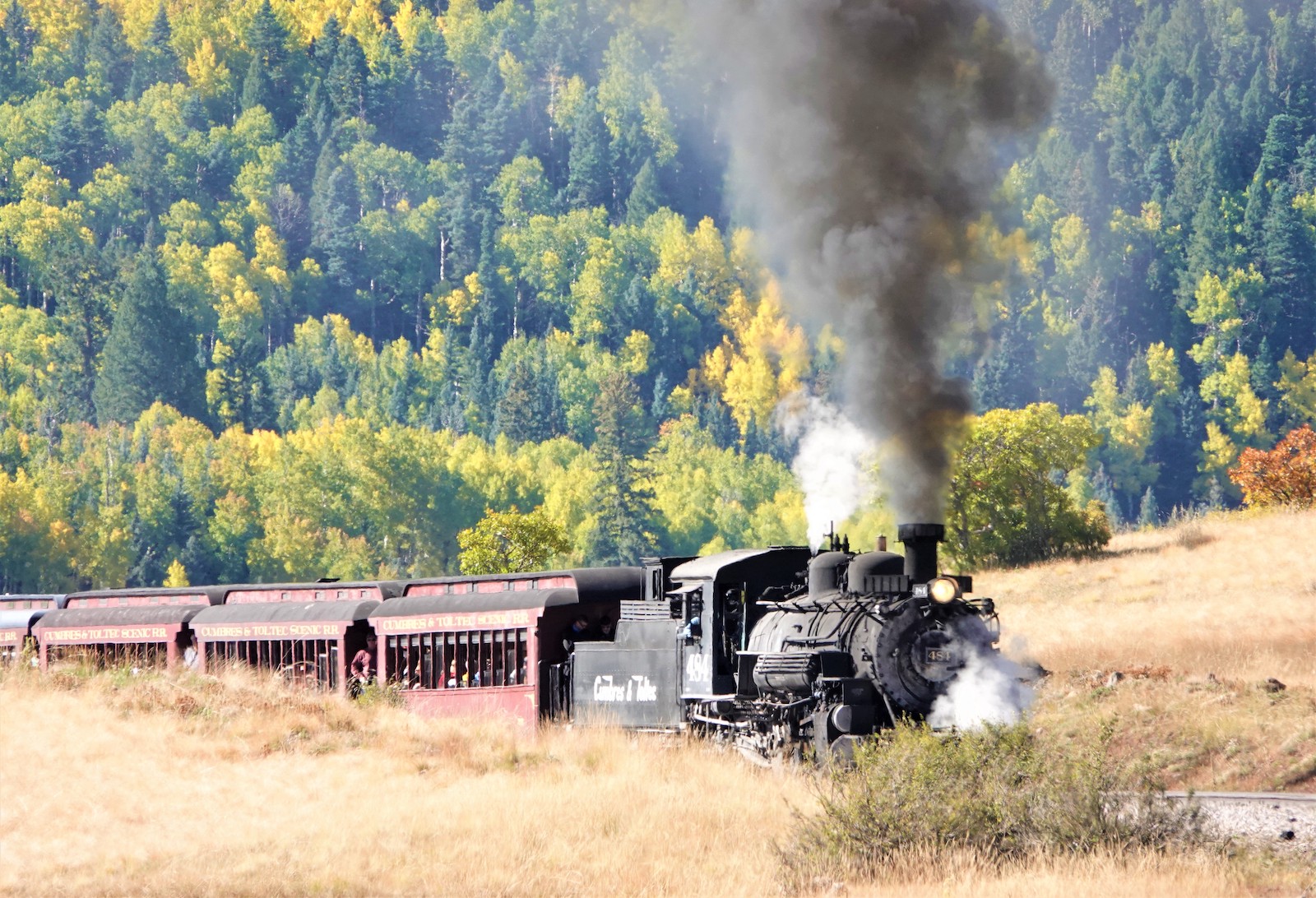
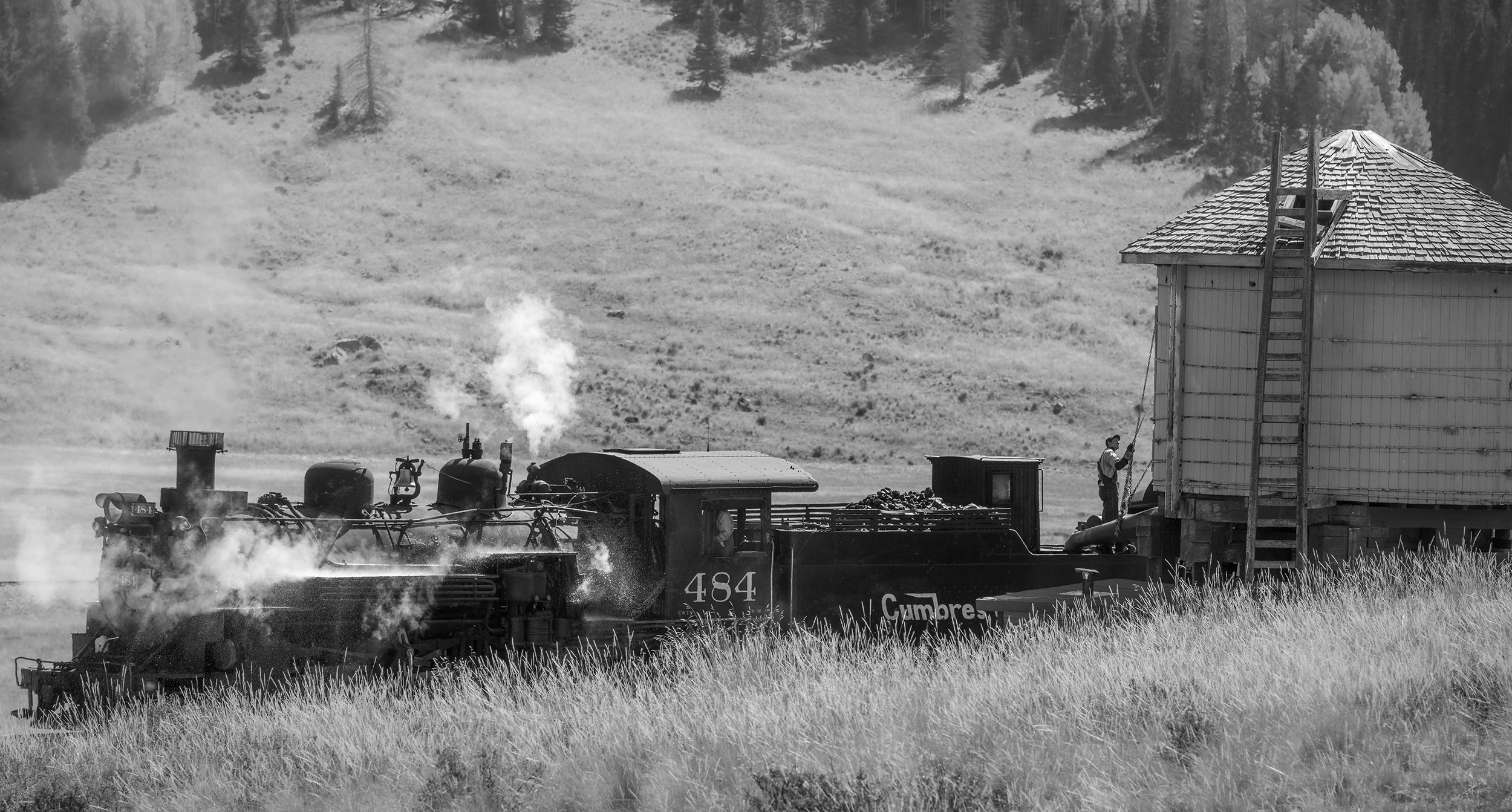
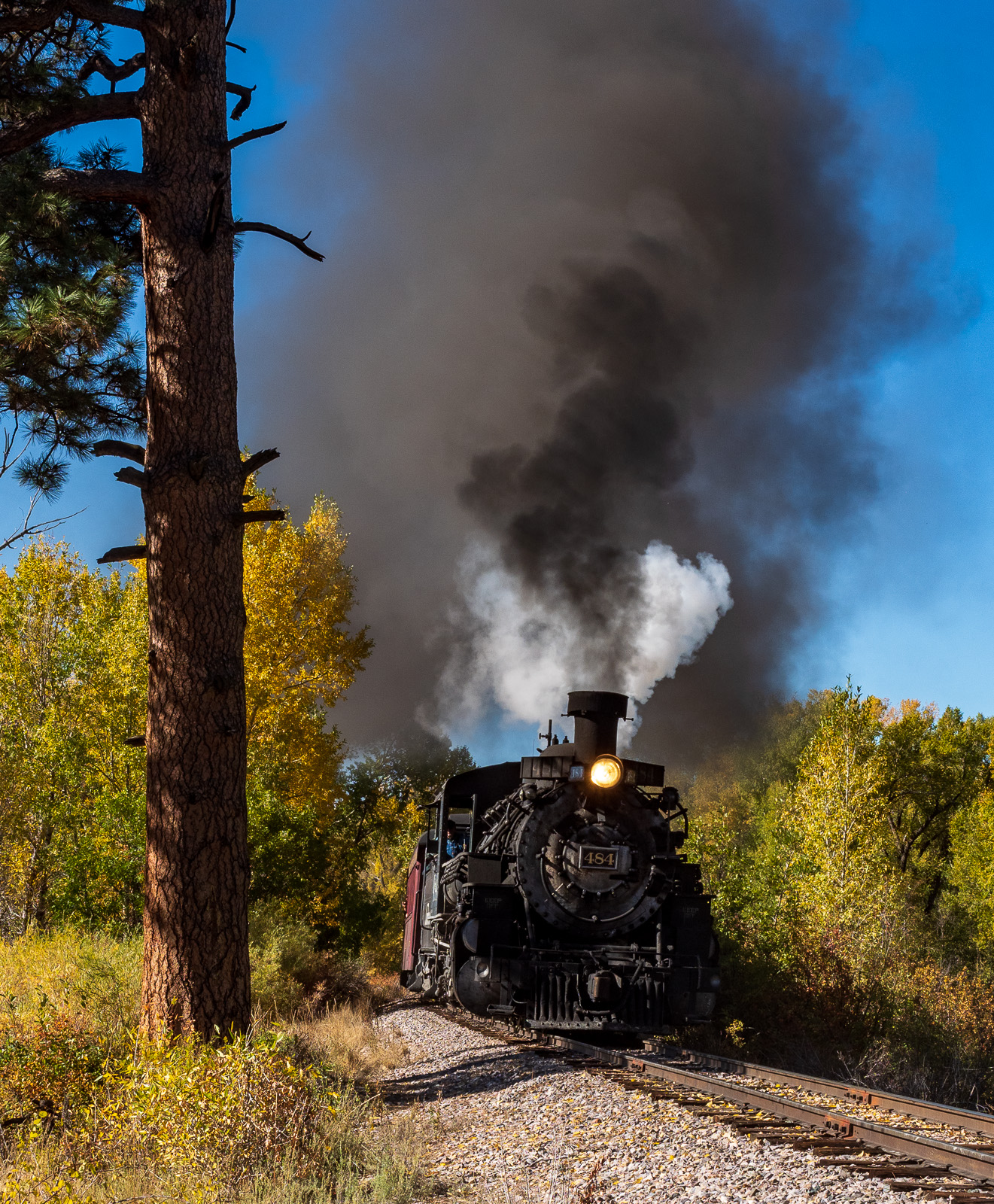
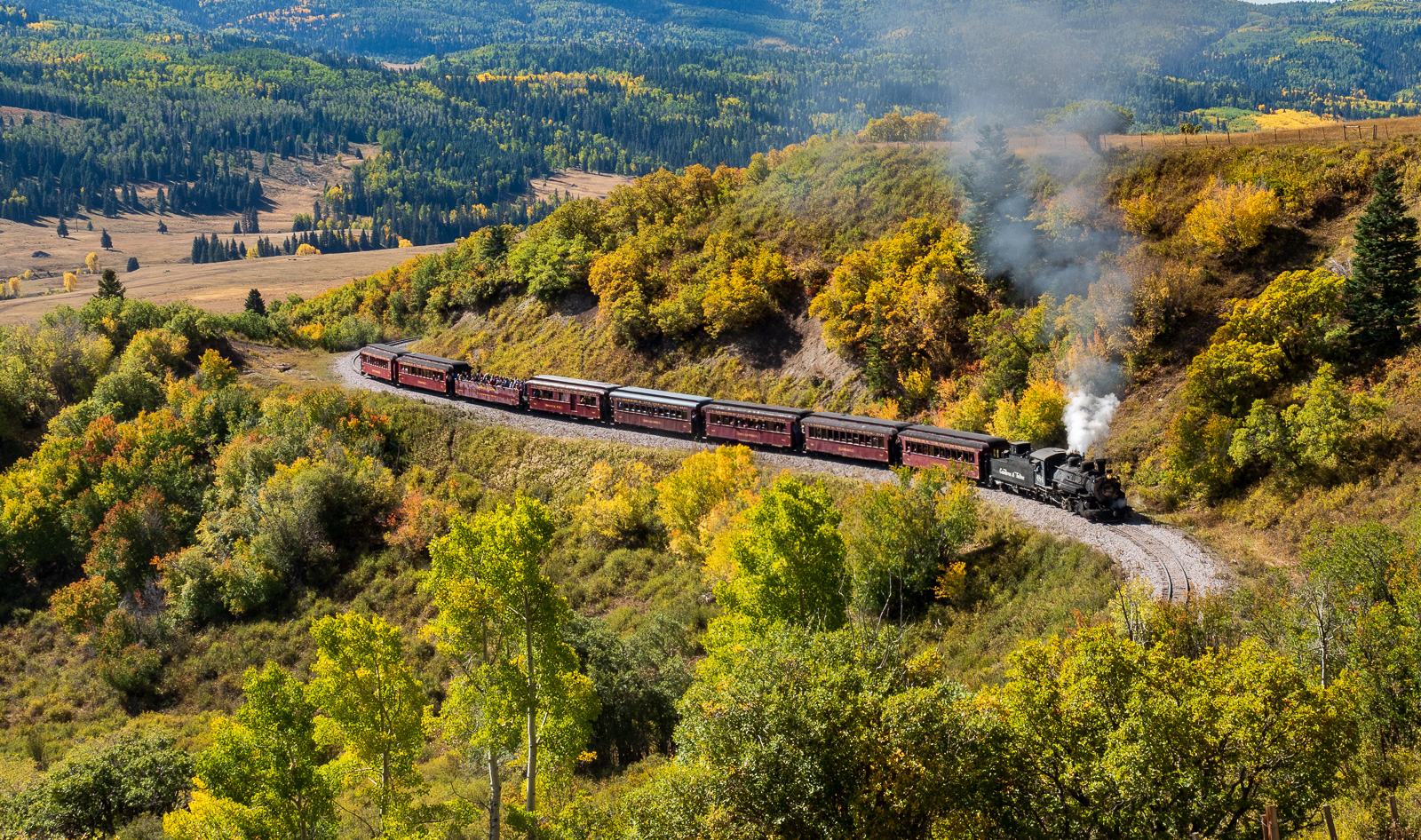
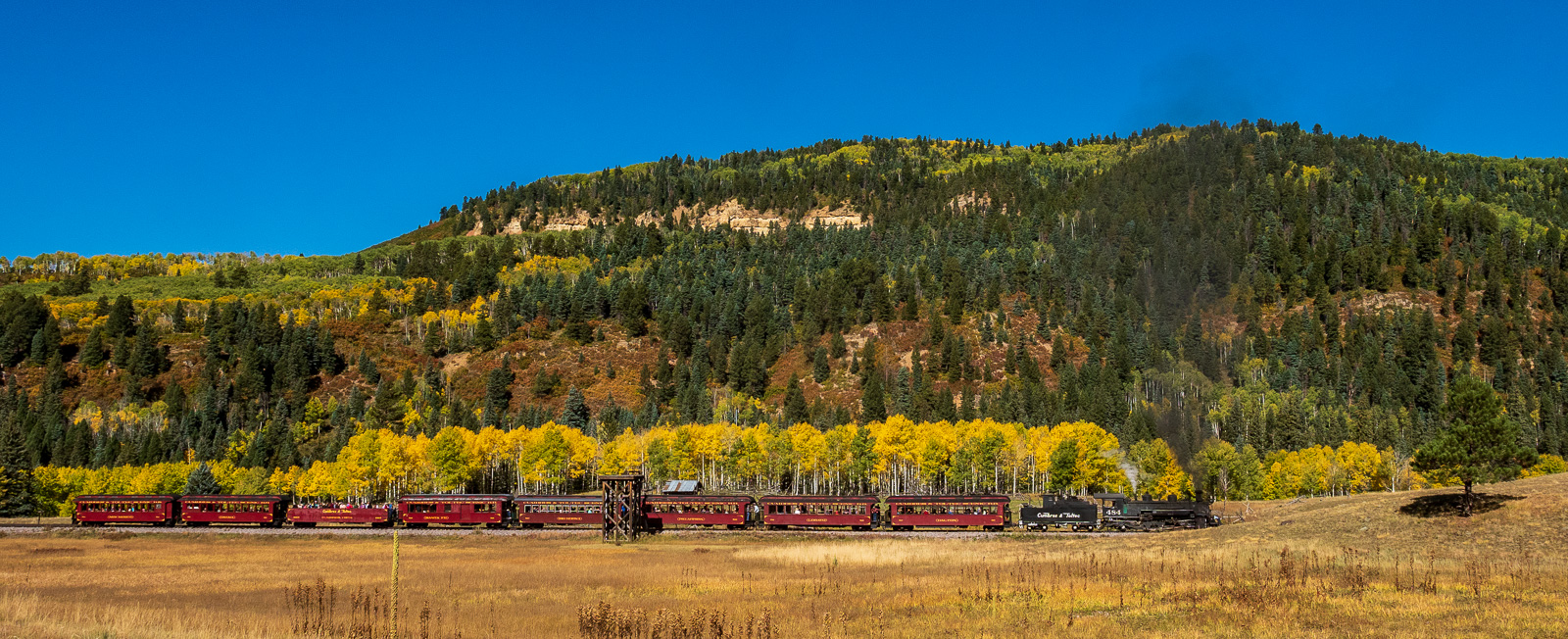
Members of the Pagosa Springs Photography Club traveled to Chama, NM on Oct 4. After a quick stop at the train yard in Chama, we headed out to photograph the Cumbres & Toltec Scenic Rail Road steam train as it chugged its way up the mountain from Chama to Cumbres Pass (and a little beyond). The strategy was shoot photos, rush to the next good opportunity, and repeat. With fine weather and great Autumn foliage, it was a terrific outing. Here is a sample of member’s photos from the day, from Kathie Disner, Andy Butler, and Liz Jamison.

Pagosa is My Name

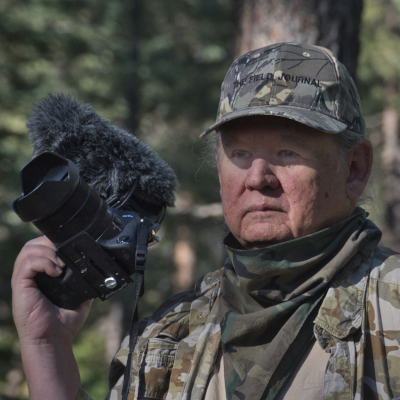
Darryl Saffer in the Field

The September Pagosa Springs Photography Club meeting will be on Wednesday, September 8 at 6:30 PM, MDT. This will be a hybrid meeting, held both in person at the Community United Methodist Church, or by Zoom for those who can’t attend in person. Our featured speaker this month is Darryl Saffer. Darryl will screen his recent short video Pagosa is My Name. He will discuss the creative process that went into filming and producing the movie, as well as some of the behind the scenes steps for preparation of still photos for use in a film. 

Darryl Saffer is an accomplished filmmaker, photographer, and composer living in Pagosa Springs, CO. His films focus primarily on the environment and natural history. Darryl studied and taught classical composition with the goal of composing film music. However, he became so interested in the process of filmmaking the he began shooting his own films of his favorite subject – nature. Among his credits, Darryl composed the soundtrack and edited the video (live action and animation) for the Jane  Goodall environmental adventure CD-ROM Jubilee’s Journey. He also documented a botanical expedition in the cloud forest of Venezuela, and produced the CD-ROM Tales Of Titans – The Amorphophallus titanum in North America. His film, Myakka River State Park is part of the permanent exhibit at the South Florida Museum.  Saffer produced, photographed and edited the Education Channel’s award-winning programs for the Florida Field Journal. 

Recently, Darryl has finished the latest film in his series with Stig Dalstrom (AKA the Wild Orchid Man). The film, Wild Orchid Man: Search for the Queen of Sheba has premiered in Australia and is doing quite well, and will premiere in the USA next January in Florida. Together with Dalstrom, he is already working on the next film in the series,  Wild Orchid Man On The Rocks, set here in the Colorado Rockies.

In addition to his videos, Darryl’s still photography is available at Getty iStock. For more information about Darryl’s videos and photos, see his website, The Field Journal .

Following Darryl’s presentation, Club members may share up to five images each for discussion with the group. Club members will receive an email with the Zoom link. Others who are interested in watching May contact Andy Butler at abutler@mac.com  for the link. 

The Pagosa Springs Photography Club promotes educational, social and fun interactions between all who enjoy making and viewing great photography.  The club sponsors educational programs and outings to help photographers hone their skills. Membership is just $25/calendar year for individuals and $35 for families. Non-members are invited to attend a meeting to learn more about the club. For membership information visit our website at https://pagosaspringsphotoclub.org/about/ .

Fourth Annual Digital Photography Contest

The Pagosa Springs Photography Club (PSPC) is pleased to announce our Fourth Annual Digital Photo Contest. The contest is open to all current members of the Club. New members may join at the time they enter the contest.

Our goal with this contest is not only to recognize members for their talent, but also to encourage everyone to share their best work with the rest of the group. So pick your images and send them in!

There will again be four categories: Landscape, People, Creative, and Nature. Each member may submit two images per category (up to six total). Images may be submitted as digital files. This year, there is no entry fee. Submissions are due no later than September 11, 2020. Awards will be presented to the top 3 images in each category at the October PSPC meeting, which will be held on October 13, 6:30 PM. All entries will be displayed at the awards gathering.

For contest guidelines, and instruction on entering your images, go to: https://pagosaspringsphotoclub.org/wp-content/uploads/2021/08/2021-contest-guidelines.pdf .

To download an entry form, click: https://pagosaspringsphotoclub.org/wp-content/uploads/2021/08/2021-pspc-contest-entry.pdf . The guidelines and entry form have instructions on how and where to submit your files.

If you are not currently a 2021 Photography Club member, you may join the Club or renew at the time you submit your images. A membership form can be downloaded here: https://pagosaspringsphotoclub.org/wp-content/uploads/2021/01/pspc-memberappliciation-2021.pdf

July 14 Meeting: Lightroom Catalog, Part II

Big Horn Ram in Yellowstone National Park, © Doug Coombs

This month’s Photography Club meeting will be on Wednesday, July 14 at 6:30 PM, MDT. Our featured speaker this month is Doug Coombs. Doug’s presentation will be Lightroom Catalog—Part II. In his May presentation, Doug described the basics of Adobe Lightroom’s catalog, including how to create a catalog, how to import images to a catalog, the relationship and location of the catalog and your images, useful settings, and backing up the catalog. 

In this second part, Doug will go cover the layout of the Library module in Lightroom, and will discuss some of the tools for organizing images, including using the Filter, Toolbar and Filmstrip. He will discuss and demonstrate using collections, keywords, and built-in metadata like EXIF to efficiently organize and search for images in the Lightroom Catalog. 

Club members will receive an email with the Zoom link for this presentation. Others who are interested in watching may contact Andy Butler at abutler@mac.com  for the link. 

Doug Coombs is a co-founder of the Los Alamos Adobe Users Group in New Mexico and former chair of the Los Alamos Photography Club. Doug is primarily a landscape and nature photographer, and is well-known for his bird and nightscape photographs. Examples of Doug’s photography can be found on his website, dougsview.com. He splits his time between Los Alamos, Pagosa Springs, and a generous amount of travel to photogenic destinations.

The Pagosa Springs Photography Club promotes educational, social and fun interactions between all who enjoy making and viewing great photography.  The club sponsors educational programs and outings to help photographers hone their skills. Membership is just $25/calendar year for individuals and $35 for families. Non-members are invited to attend a meeting to learn more about the club. For membership information visit our website at https://pagosaspringsphotoclub.org/about/ .

March Night Sky

March is a transition month. Here in the Northern Hemisphere, the long dark nights of Winter are quickly giving way to longer days. Night sky photographers can look forward to the reappearance of the Milky Way core in March. But there are other potential events worthy of photographing, or just viewing, in the early Spring night sky. 

The Milky Way arching over the South San Juan Mountains (May, 2017). The pink glow on the left is from the town of Pagosa Springs, Co. Stitched panorama from 12 individual photos.

First though, the Milky Way. While our home galaxy is visible year round, beginning in March, the Galactic Center, the Milky Way “core” will be visible. This is perhaps the most dramatic and photogenic portion of our galaxy. The first prerequisite for good Milky Way viewing is a relatively dark sky, so we will need to wait until the recent Full Snow Moon wanes. Starting March 8, there will be periods in which the Galactic Center will be above the horizon with no moon interference in the early morning hours. Best viewing should be from March 9 through the 23rd, when the core will be visible in the hours before dawn. On the night of the new moon, March 13, the viewing time will be from about 2:39 until 4:54 AM (the beginning of astronomical dawn). After the switch to daylight savings time on the 14th, this window moves to 3:35 to 5:53 AM, which somehow seems a bit less onerous. The reward for early risers in Pagosa Springs will be a view of the Milky Way arching over the South San Juan Mountains. Spring is the best time of the year to see the full arc of the Milky Way, and in early spring it will be lower in the sky, allowing for better images of the landscape beneath the arc. 

There are other opportunities among the planets, and the stars. In the predawn hours of March 6 (and a few days before and after) is a good opportunity to see Mercury as it will reach its greatest western elongation from the sun. At about 5:25, Mercury will rise in the east and reach about 12° above the horizon before fading in the brightening sky. But it gets better, as Mercury will be within about a degree of the gas giant, Jupiter, and nicely aligned with Saturn as well. By March 9, Mercury will be much closer to the horizon (and more difficult to find), but Jupiter and Saturn will be joined by a young crescent moon. These will be close enough to the horizon to afford good nightscape opportunities. 

Jupiter and Saturn at their great conjunction on December 21, 2020. Also visible are Jupiter’s four Galilean moons. Exposure was at 1 second, f/2.8, 150 mm using an Olympus OMD EM1-Mk II (300 mm full frame field of view)

Meanwhile, Mars will be much higher in the sky, but will be quite close to the Pleiades open cluster in the evening sky. 

As winter turns to spring, so the winter constellations will gradually disappear. But in the late evenings of March, you can still find Orion and other familiar winter constellations. Look to the west a little before midnight, and Orion, and the bright star Sirius of Canis Major, will be low enough over the horizon to the west-southwest for nightscape photography. You might also look for the Winter Hexagon, featuring Sirius, Rigel , the Hyades, Capella, Pollux and Procyon in Canis Minor. 

Orion and the Winter Hexagon, as would be seen looking West-Southwest on March 15, around 11:40 PM, from Pagosa Springs. Screen capture from Sky Guide.

Finally, moonless evenings in early spring are the best time of the year to see zodiacal light in the Northern Hemisphere. Zodiacal light looks like a hazy triangle in the west, as darkness falls. Look for it along the path of the ecliptic. Find out more about zodiacal light at https://earthsky.org/tonight/zodiacal-light-is-glowing-pyramid-in-west-after-dark . By the way, I recommend EarthSky as a great website to keep up with heavenly happenings. To predict the locations of stars and planets, there are several great programs, including the free Stellarium, or apps such as Star Walk or Sky Guide for smart phones.  

Beyond the beginnings of “Milky Way season”, March skies have a lot to offer. Good viewing to you!