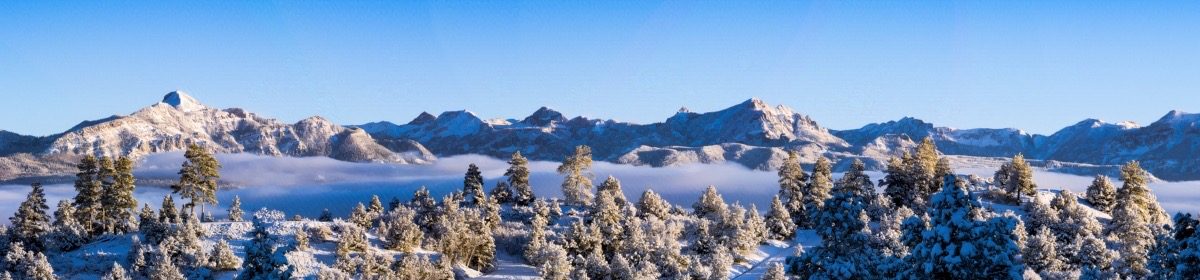
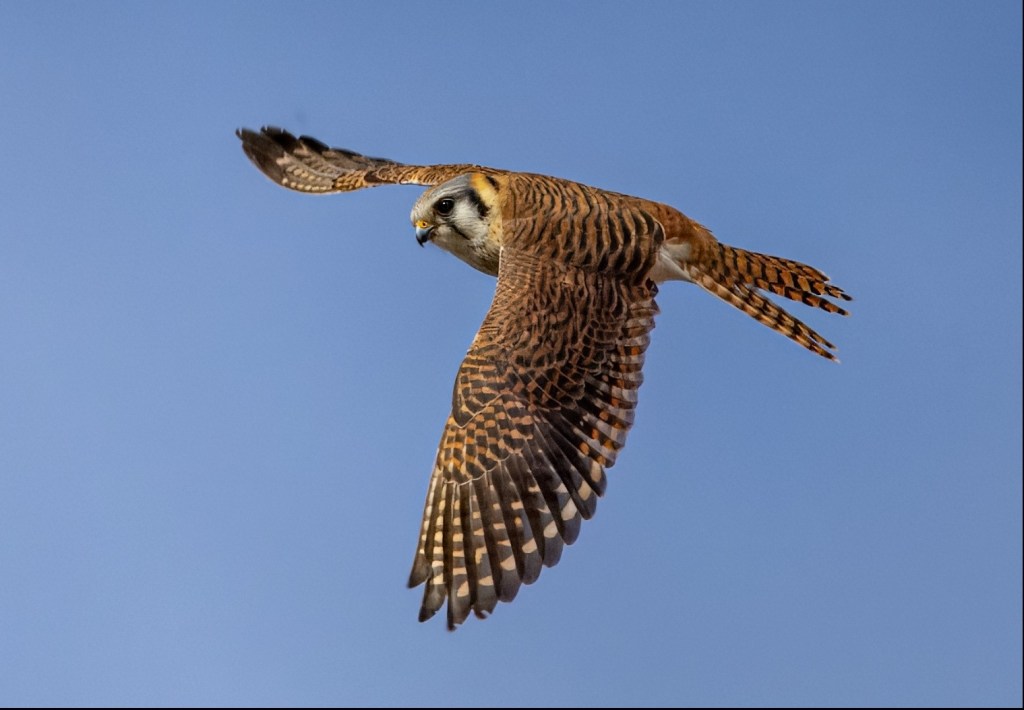
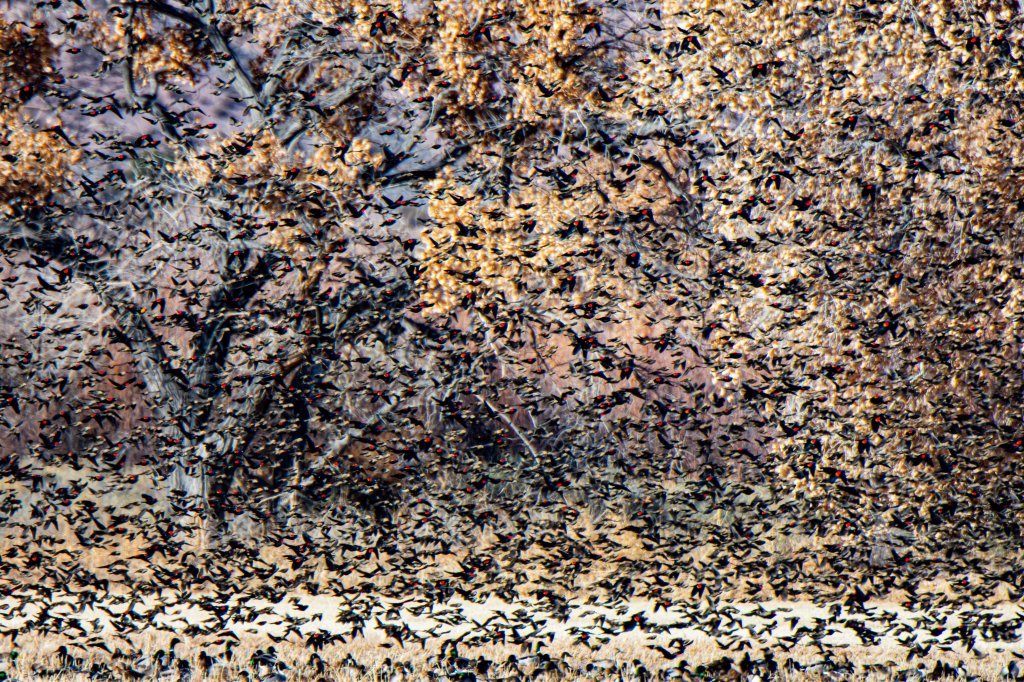
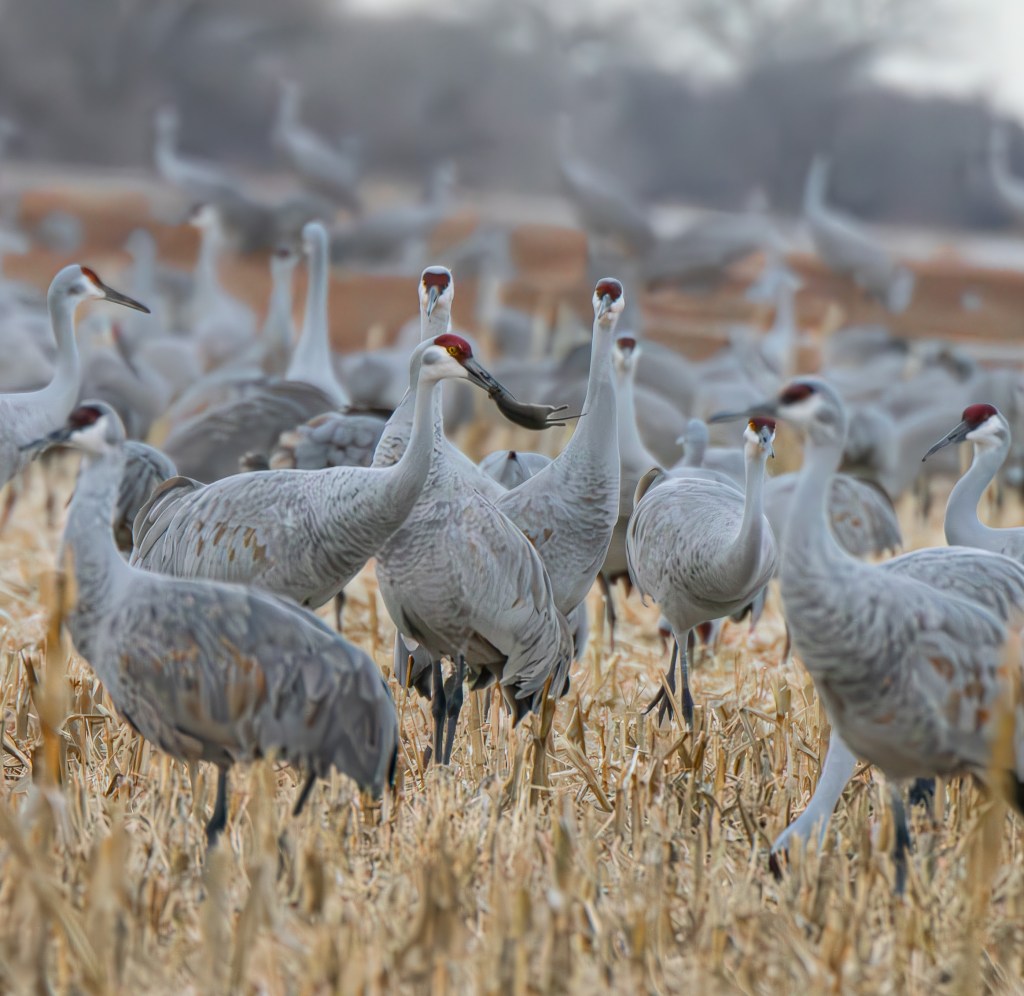
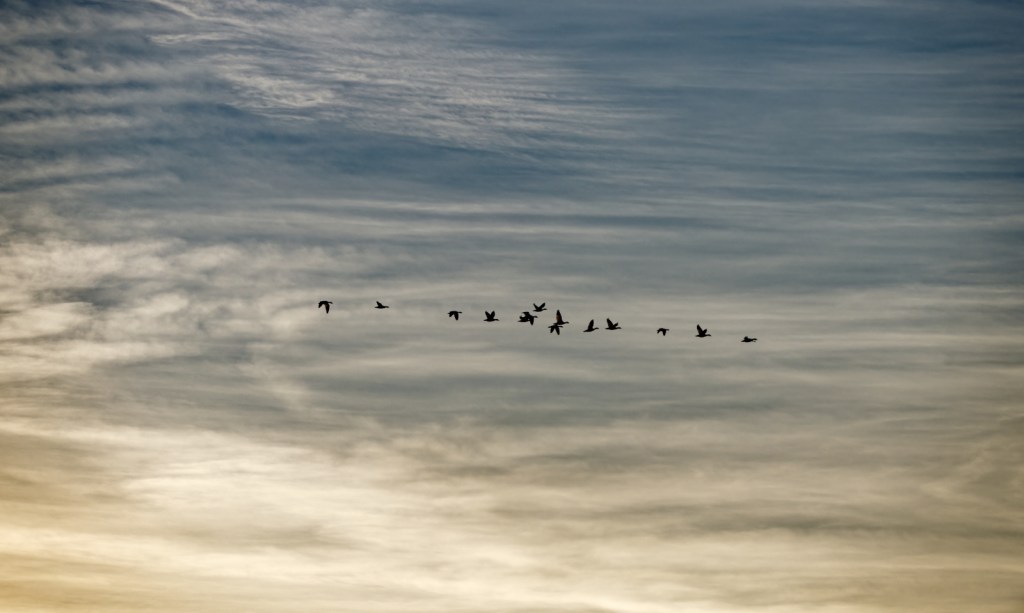
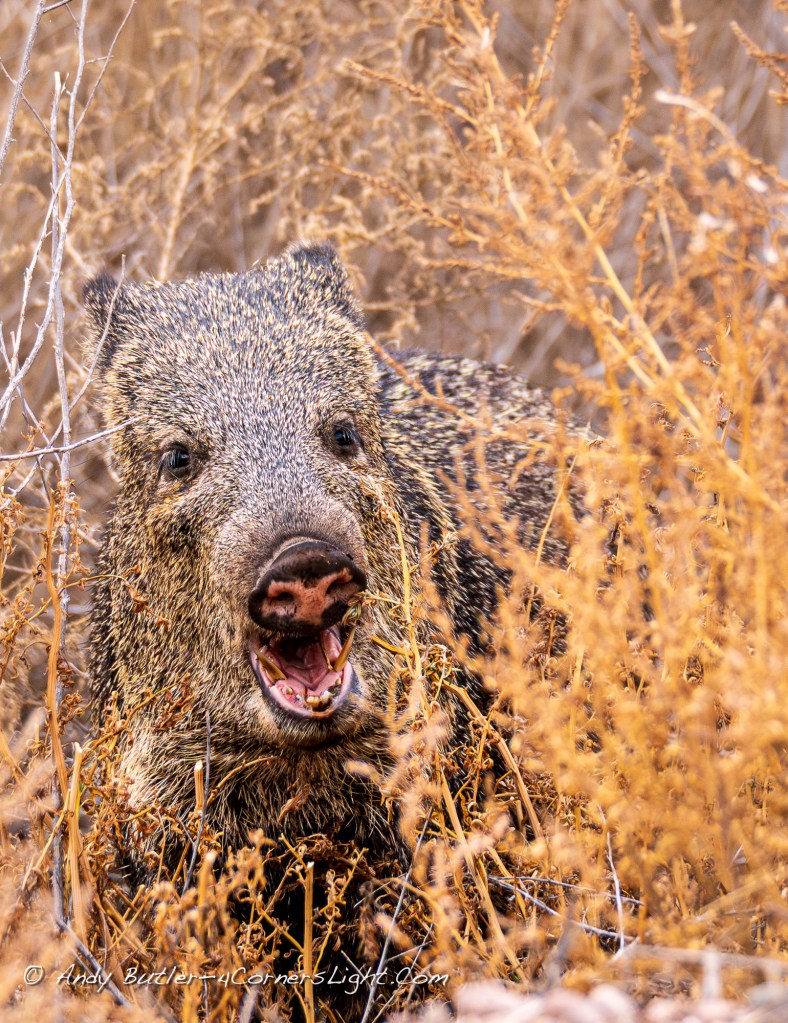
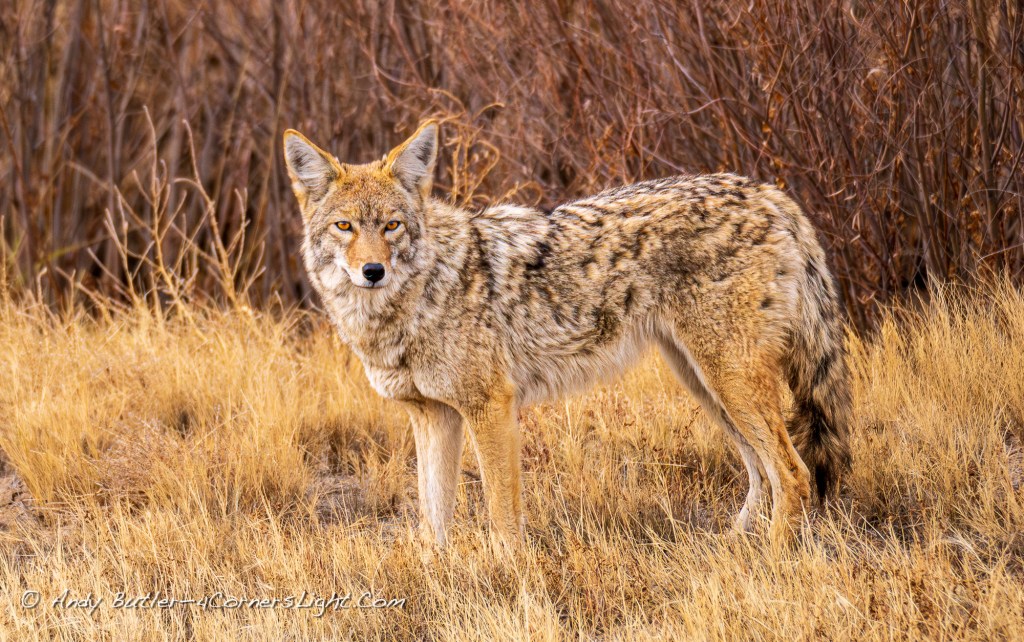
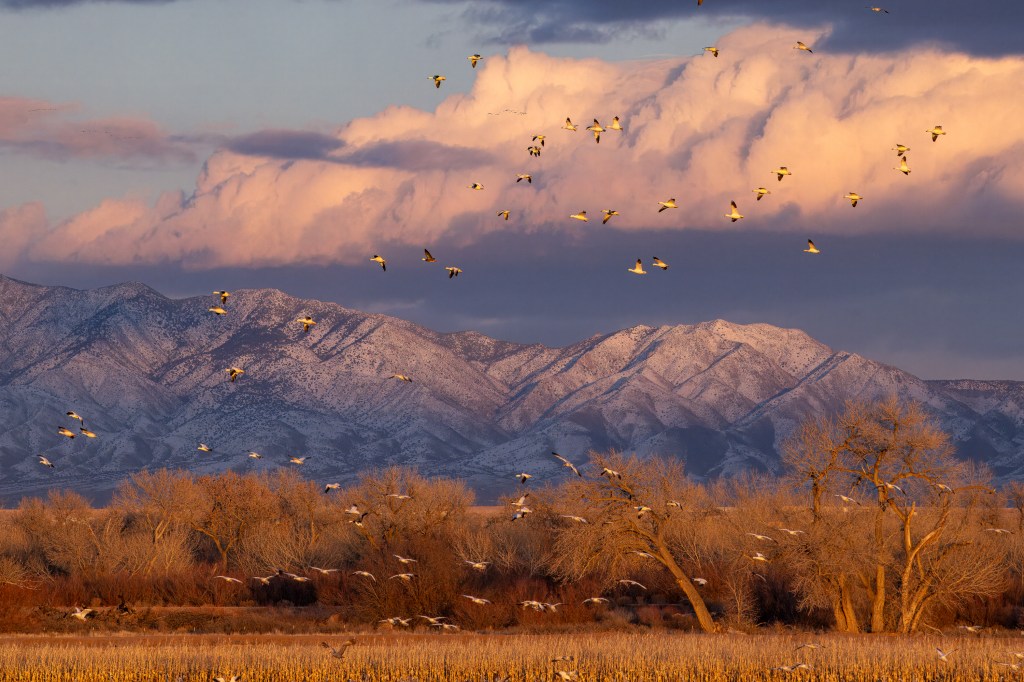
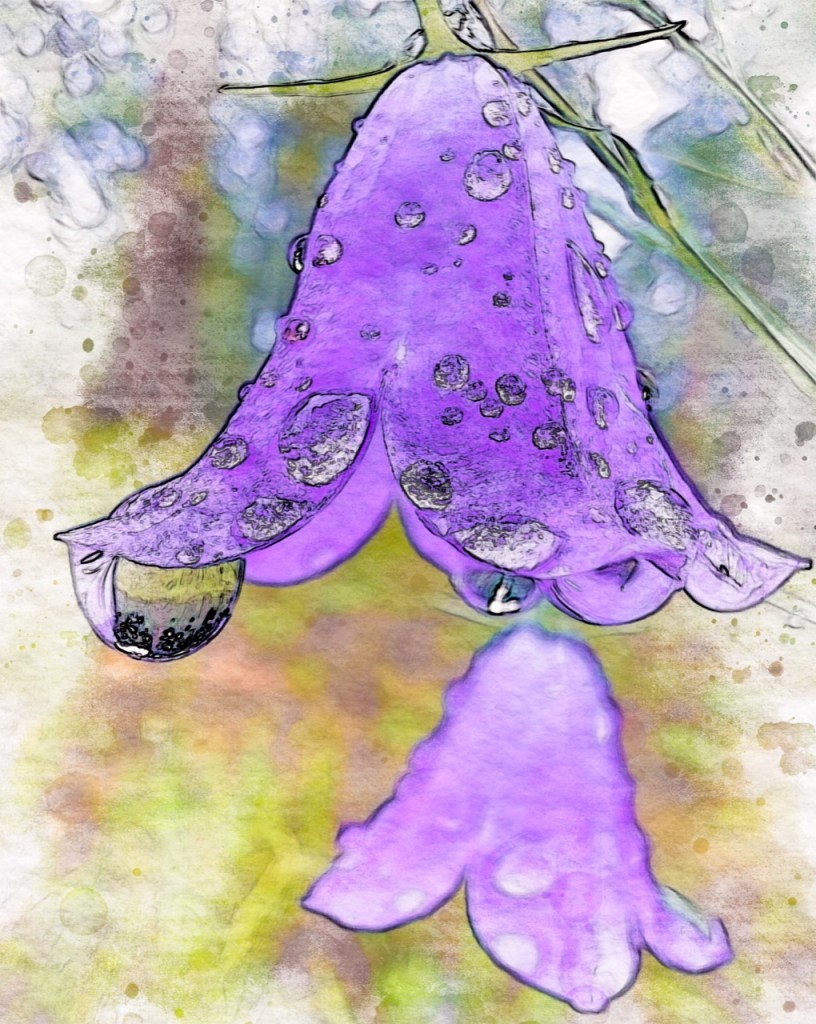
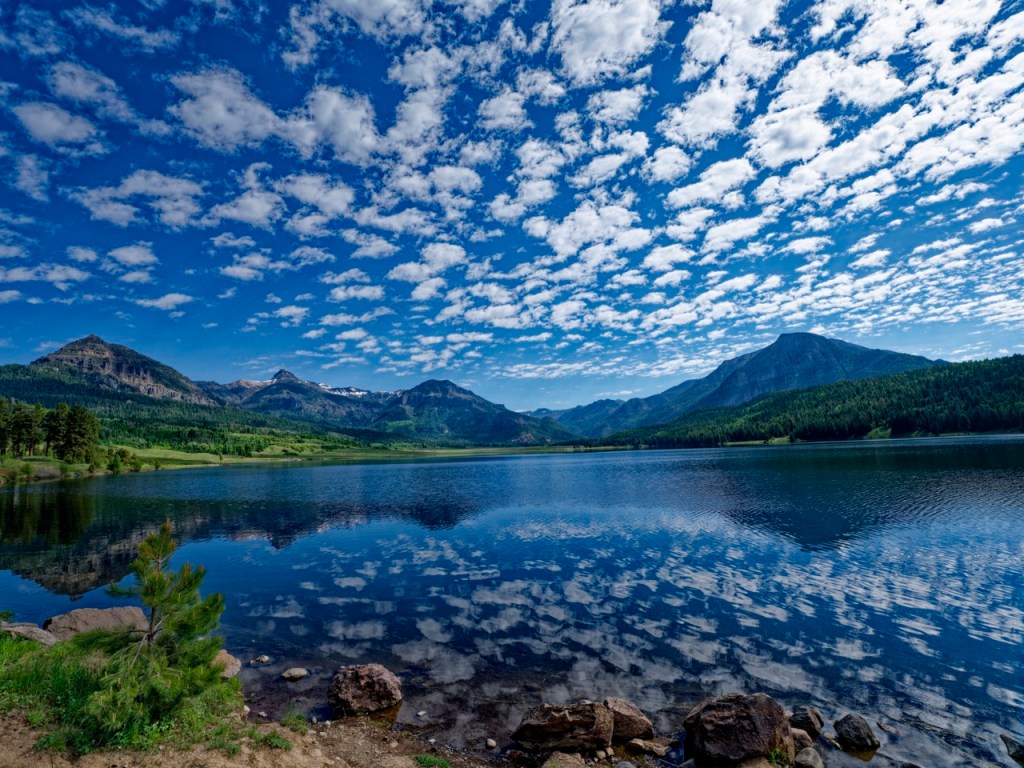
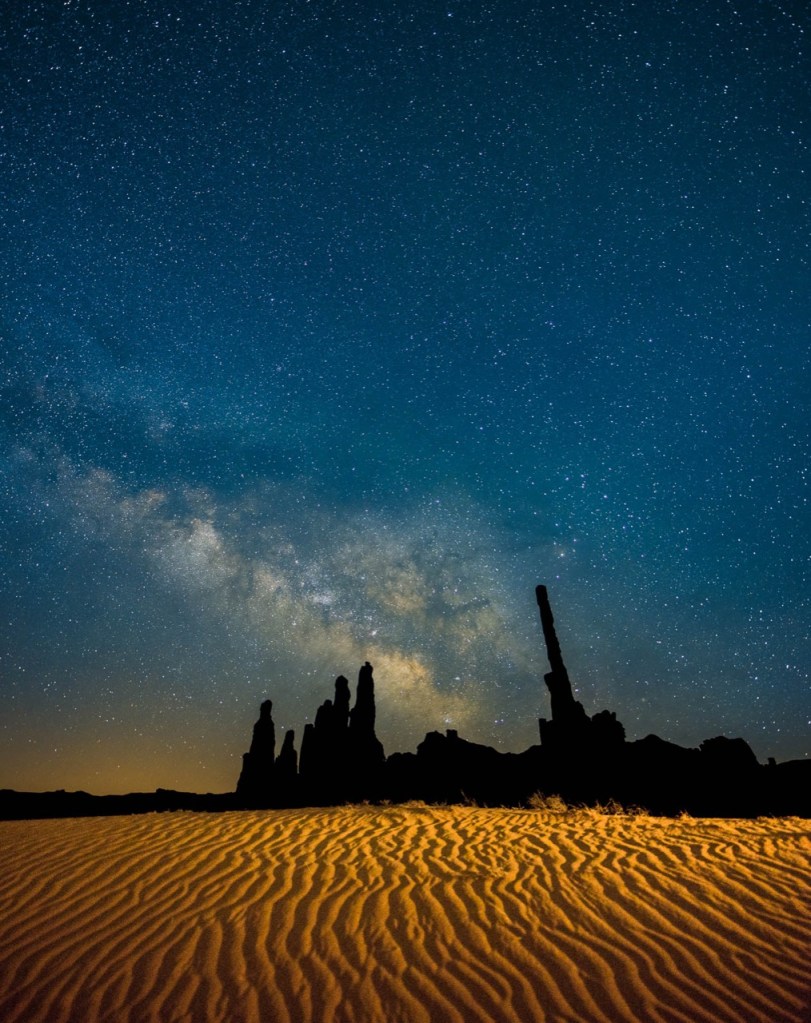
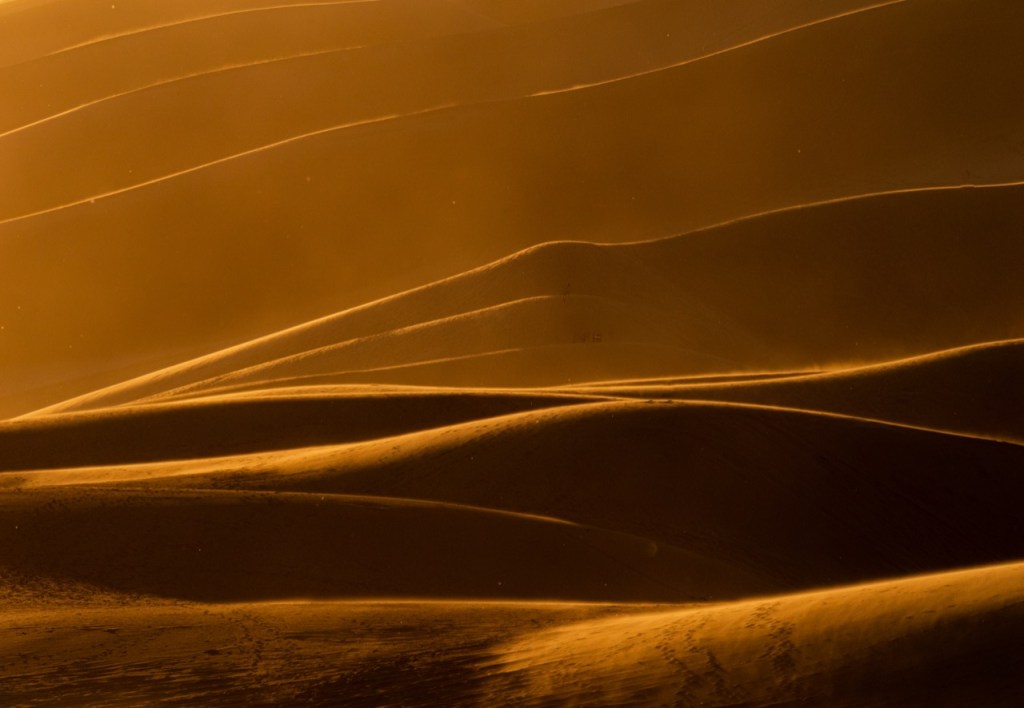
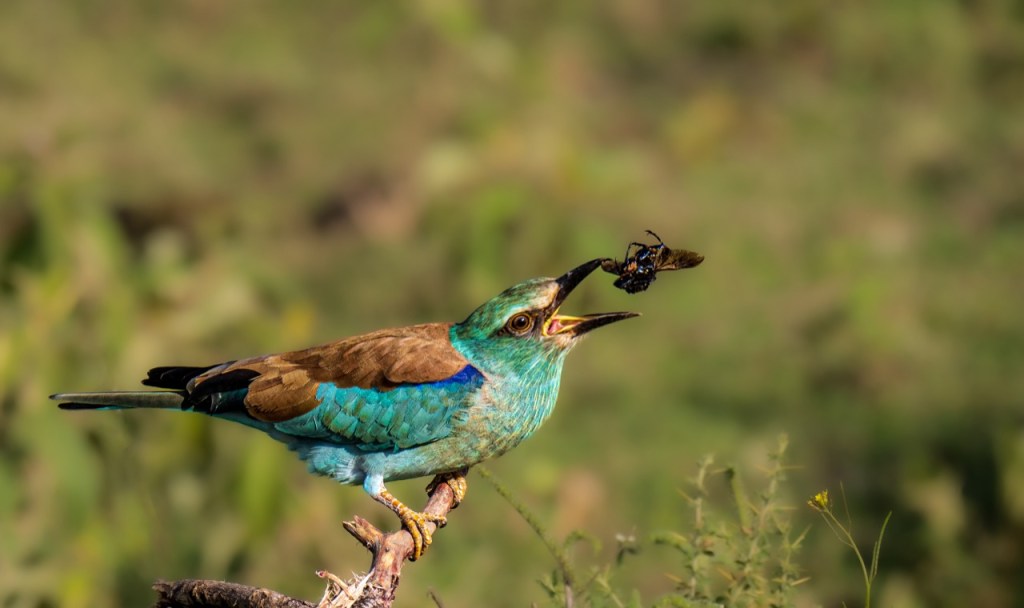
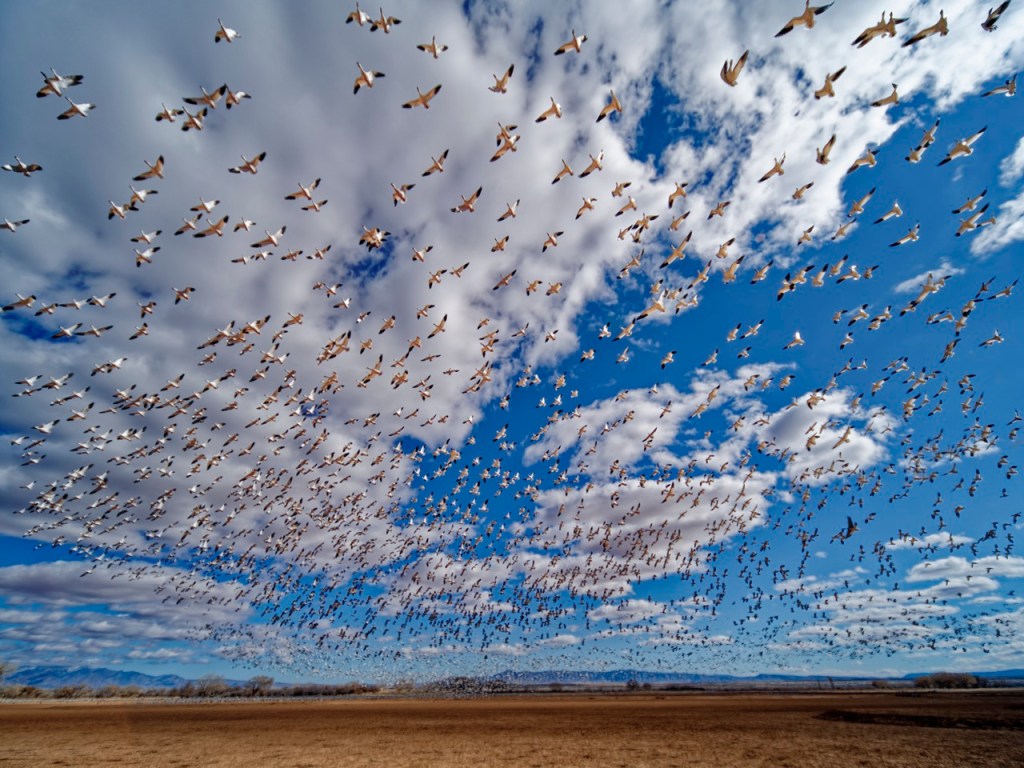
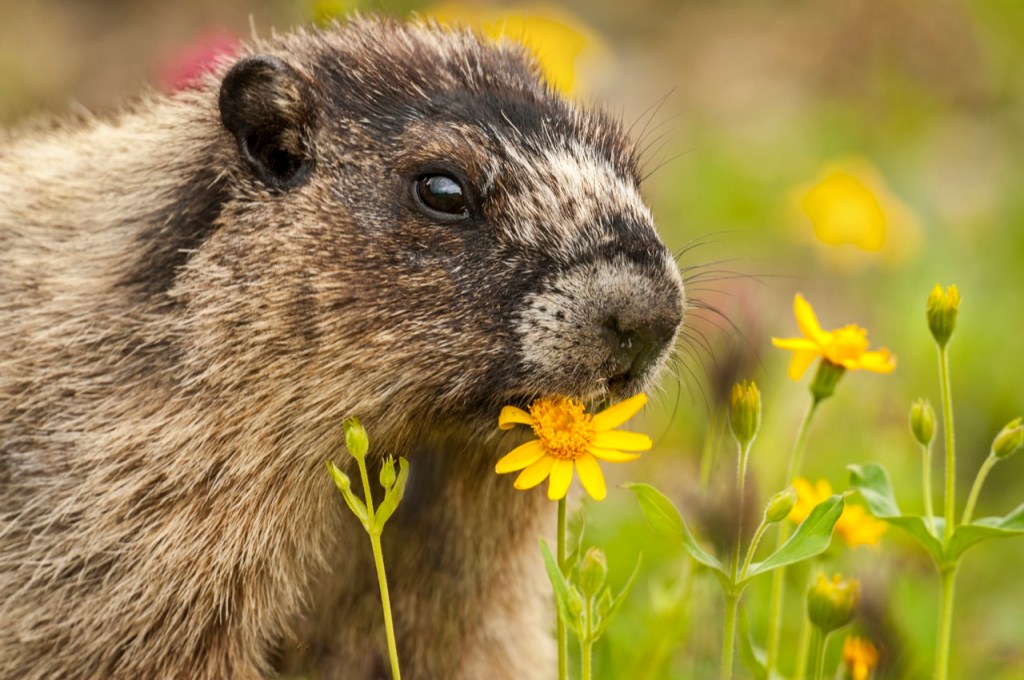
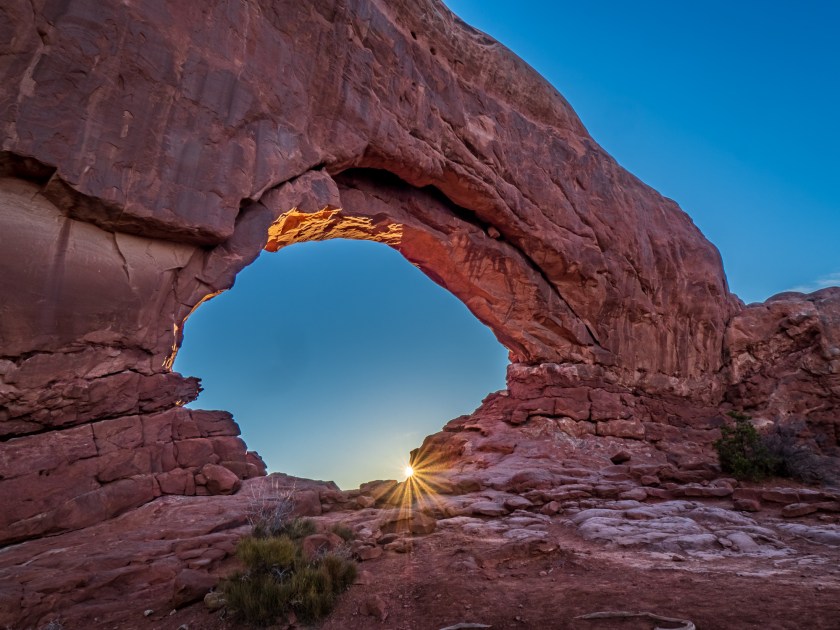
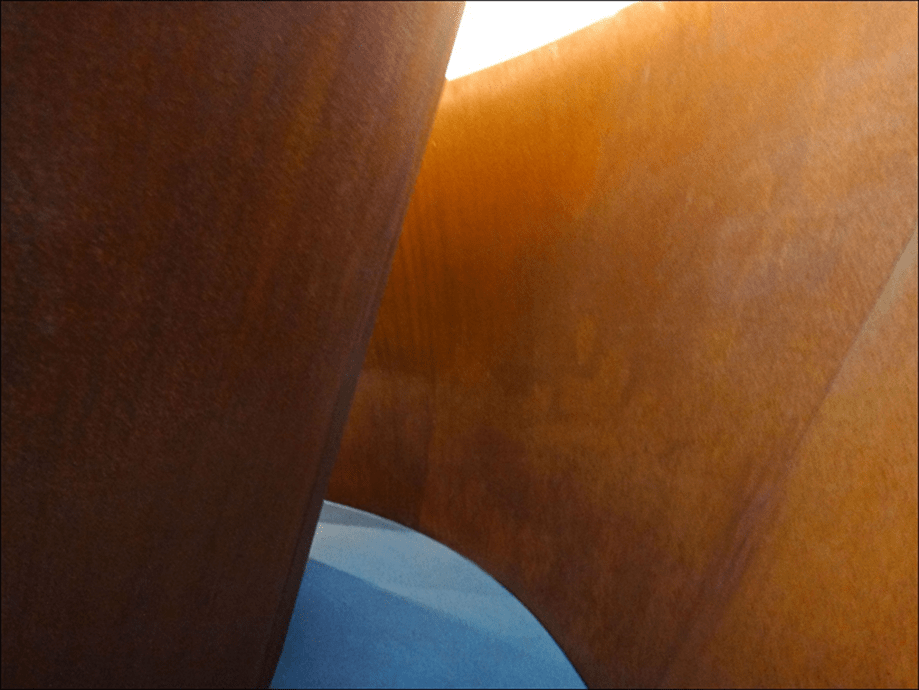
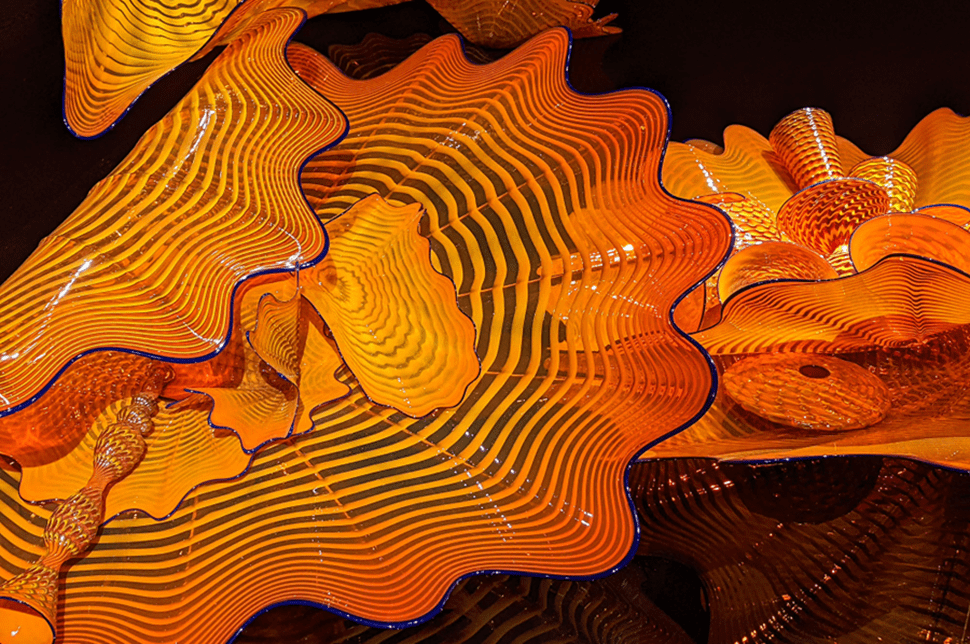
Several members of the Photography Club spent Dec 10-13, 2023 on a Club outing in Socorro, NM. We photographed at nearby Bosque del Apache National Wildlife Refuge and at Ladd S Gordon Waterfowl Complex, at Bernardo. These refuges are wintering areas for waterfowl, including Snow Geese and Sandhill Cranes. This year, there was a new pond at Bernardo, which succeeded in attracting large numbers of waterfowl.There were thousands of birds, good blast-offs at the “Flight Deck”, mammals, and spectacular sunrises and sunsets. Overall, another fun and productive outing.
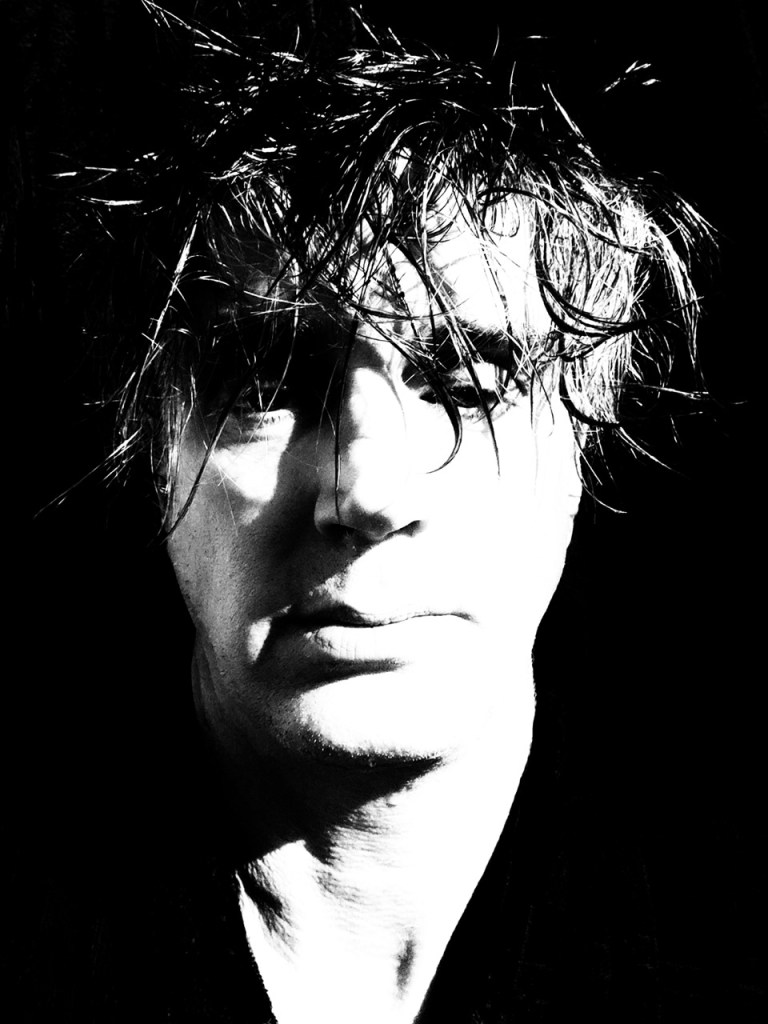
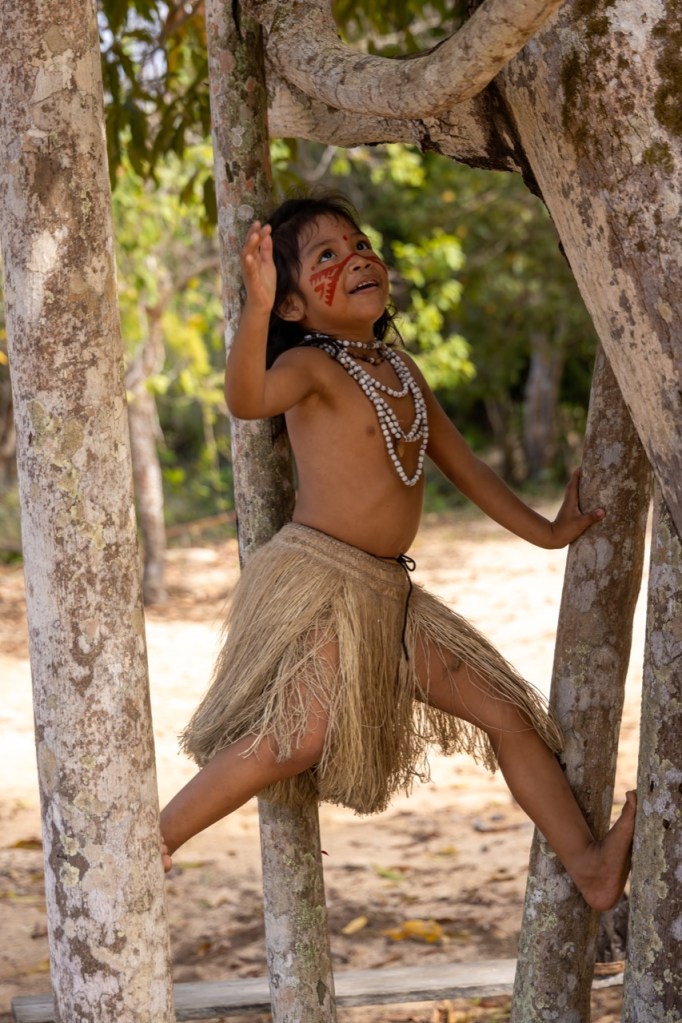
Here are a few sample images from Club members Adrienne Disbrow, Dave Anderson, Andy Butler, and Doug Coombs. Click on any image to view a larger version, navigate through using your arrow keys.
The Pagosa Springs Photography Club will meet on Wednesday, January 10, 2024, 6:30 p.m., at the Community United Methodist Church, 434 Lewis Street in Pagosa Springs. Feel free to arrive any time after 6 p.m. for socializing.
Our January program will be Top Ten: Show and Tell. This has been a popular program, where members may bring up to ten of their photographs taken in 2023 for brief discussion. These might be what you consider your best, your most interesting, or your most challenging photos of the year. This is a good exercise in selecting your best images of the year. The goal is to inspire Club members through a conversation about what makes great images, including aspects such as composition, impact, and technical quality. This will be a more extensive discussion than what we typically have during our image share sessions (which we won’t do this month). Please bring your images to the meeting on a flash drive, or (if attending by Zoom) email them by the evening of January 9 to abutler@mac.com.
This will be a hybrid meeting, also available on Zoom. The Zoom link will be emailed to members; others who wish to attend may request the link by email to abutler@mac.com .
Did you get a new camera or lens for Christmas? What better way to learn more about photography and get tips on your gear than by joining the Photography Club! The Pagosa Springs Photography Club promotes educational, social and fun interactions between all who enjoy making and viewing great photography. The club sponsors educational programs and outings to help photographers hone their skills and learn from each other. The Club’s membership year begins in January. Dues remain at $25 per year ($35 family). The membership form may be downloaded and mailed in with your payment (instructions are on the form) or brought to a Club meeting.
On October 11, the Pagosa Springs Photography Club held an Awards Celebration in conjunction with its Sixth Annual Digital Photography Contest. The Celebration was held at the PLPOA Clubhouse. The contest included four categories: Creative, Landscape, Nature, and People. Images in each category were evaluated by impartial judges on the basis of composition, impact, and technical quality. In addition, Club members voted to determine “People’s Choice” winners for each of the four categories. During the evening, we enjoyed a pizza dinner, socializing and viewing all of the entries in this year’s competition.
In the Creative category, winners were:
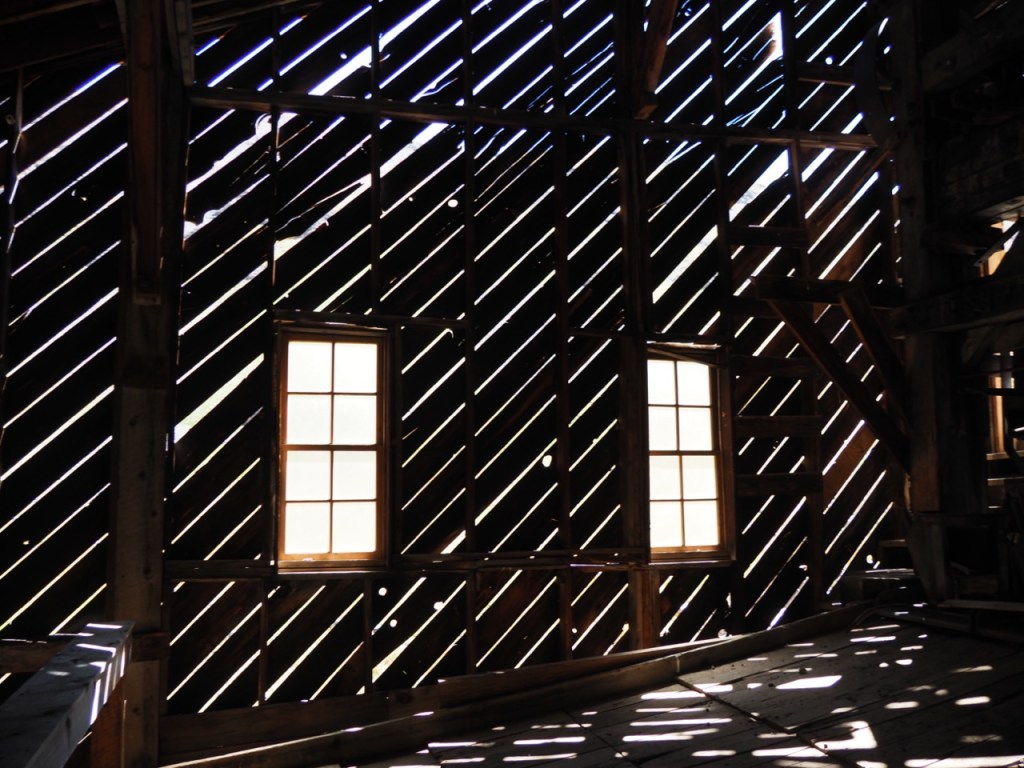
1st Place: Gregg Heid, Drafty Wall
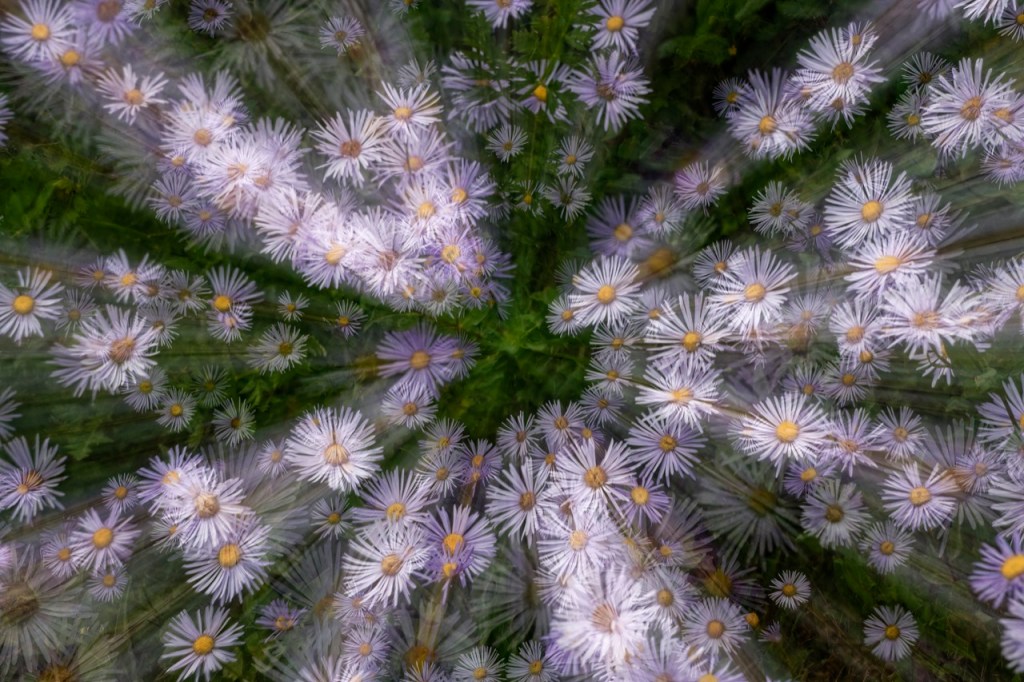
2nd Place: Dave Anderson, Aster Zoom
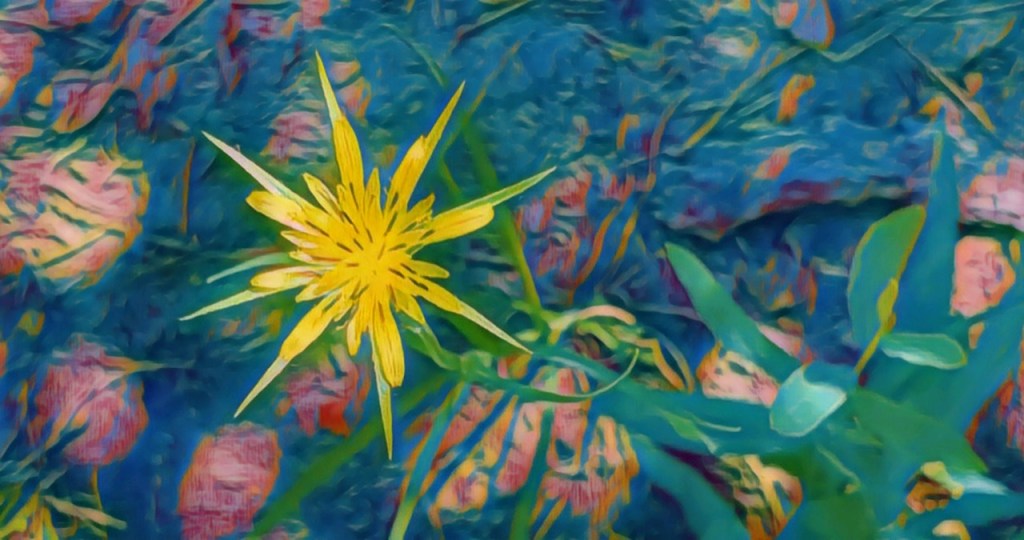
3rd Place: Adrienne Disbrow, Flower
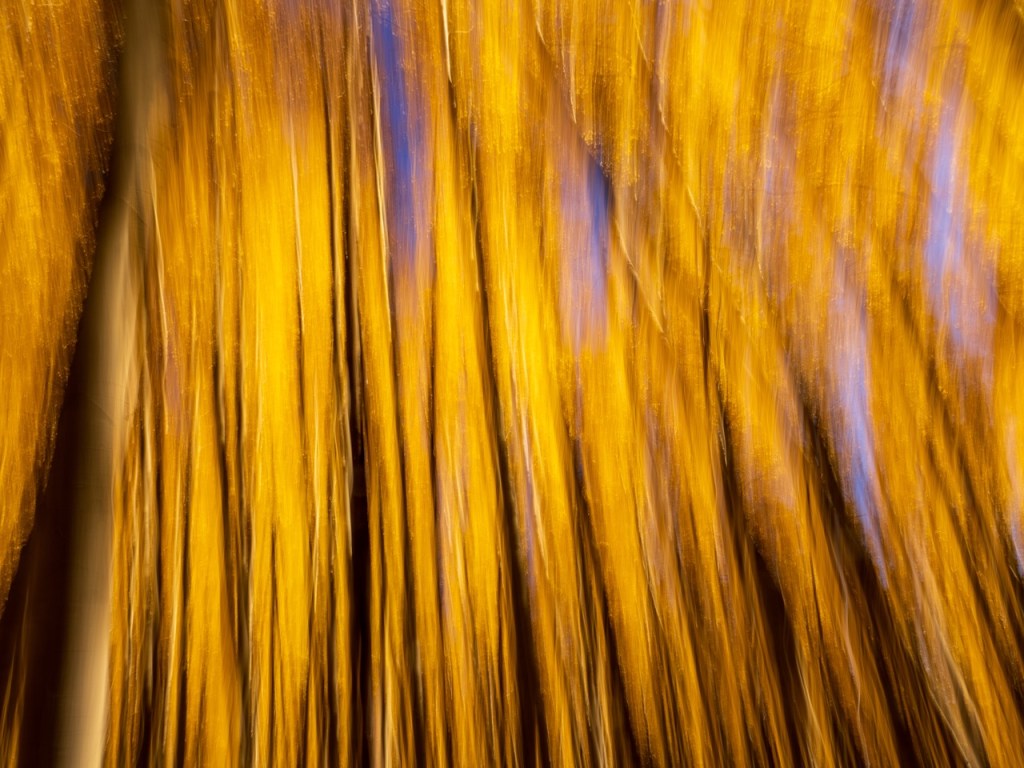
Honorable Mention, Andy Butler, Aspen Glow
In the People’s choice voting for creative images, 1st place went to Anderson’s Aster Zoom, 2nd to Scott Galabota for Fleur de Matisse, and 3rd to Heid’s Drafty Wall.
People’s Choice favorites in the Landscape group were Coombs’ Bosque sunrise (1st) and his Monument Valley (2nd). Anderson’s Williams Creek Reservoir was 3rd in People’s Choice voting.
In the People genre, the top photos were:
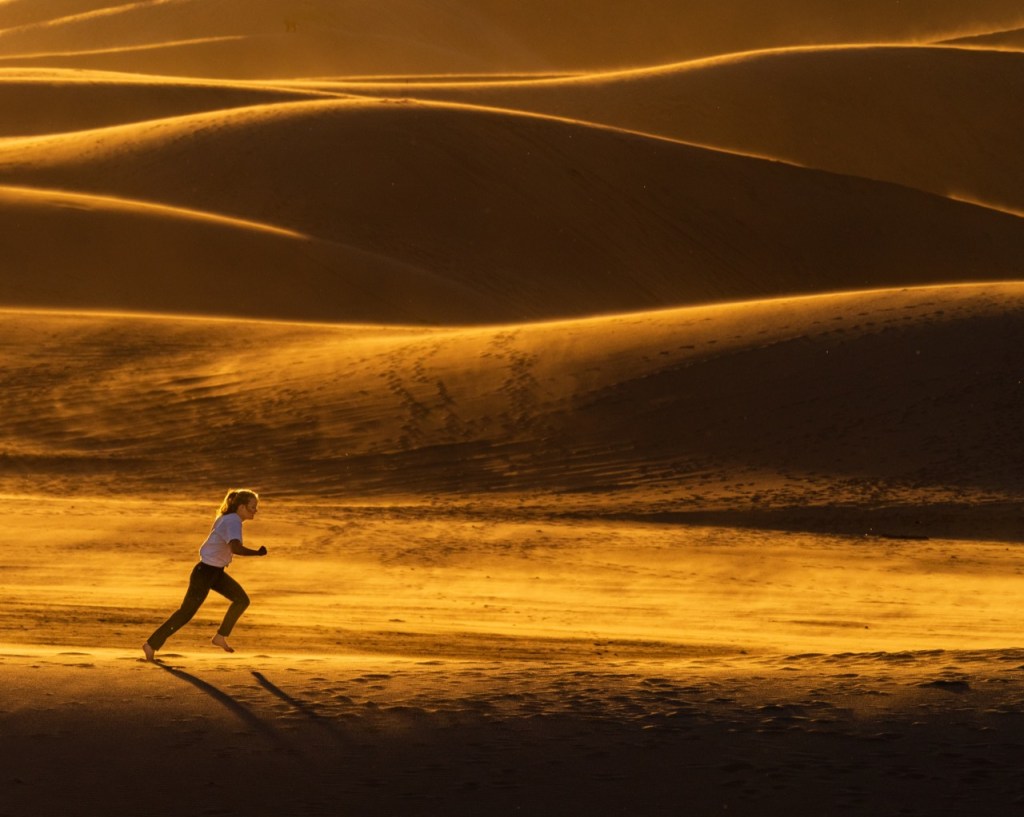
1st Place: Andy Butler, Dune Runner
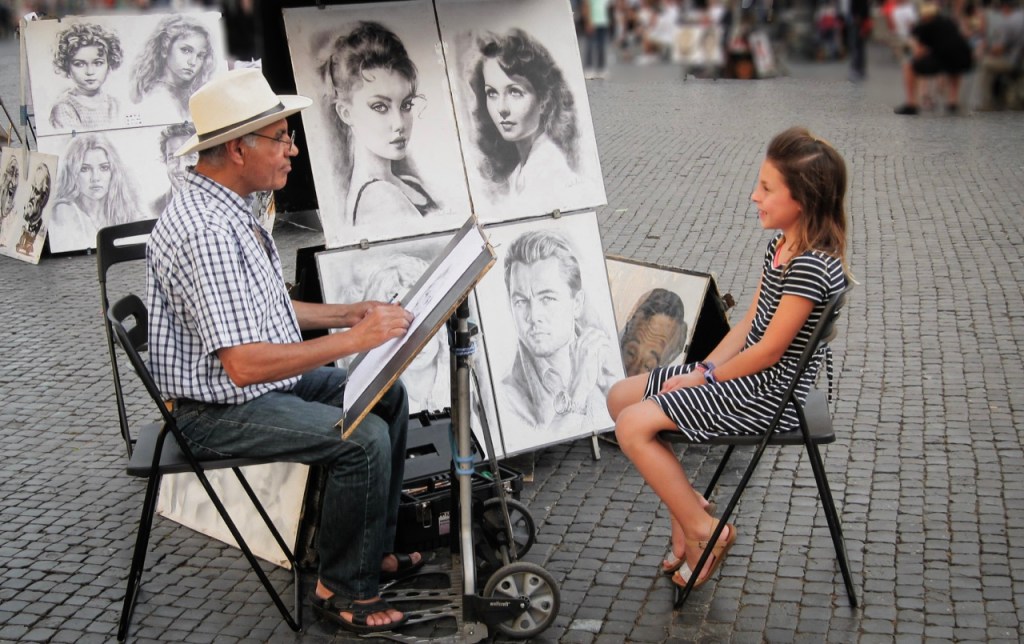
2nd Place: Chris Roebuck, The Portrait
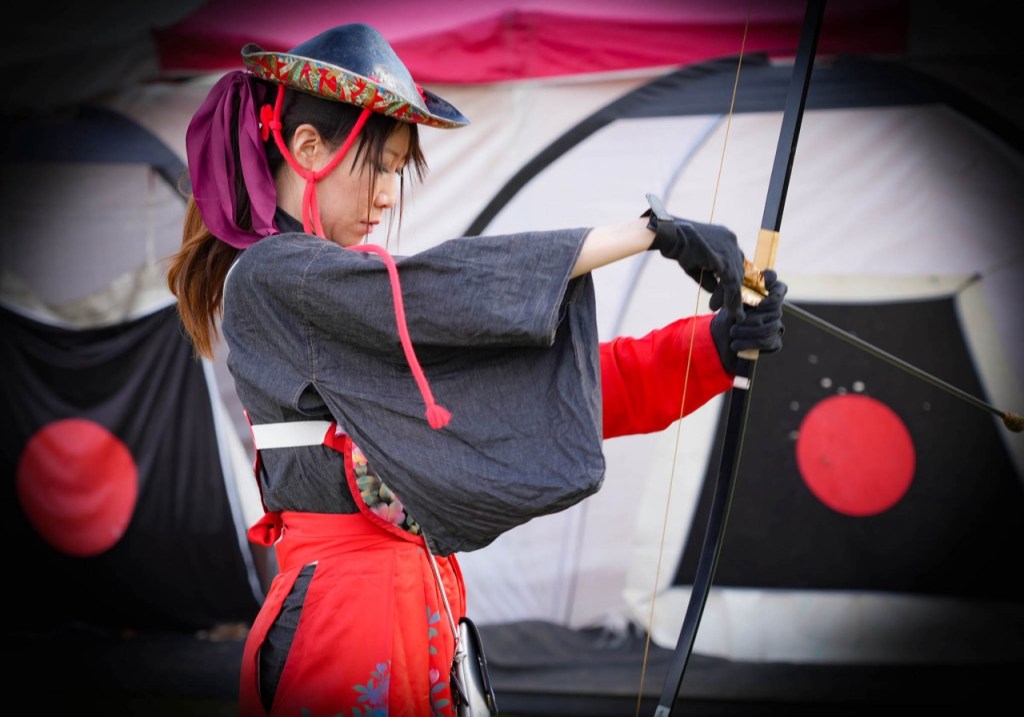
3rd Place: Barbara Jetley, Yobusame Girl
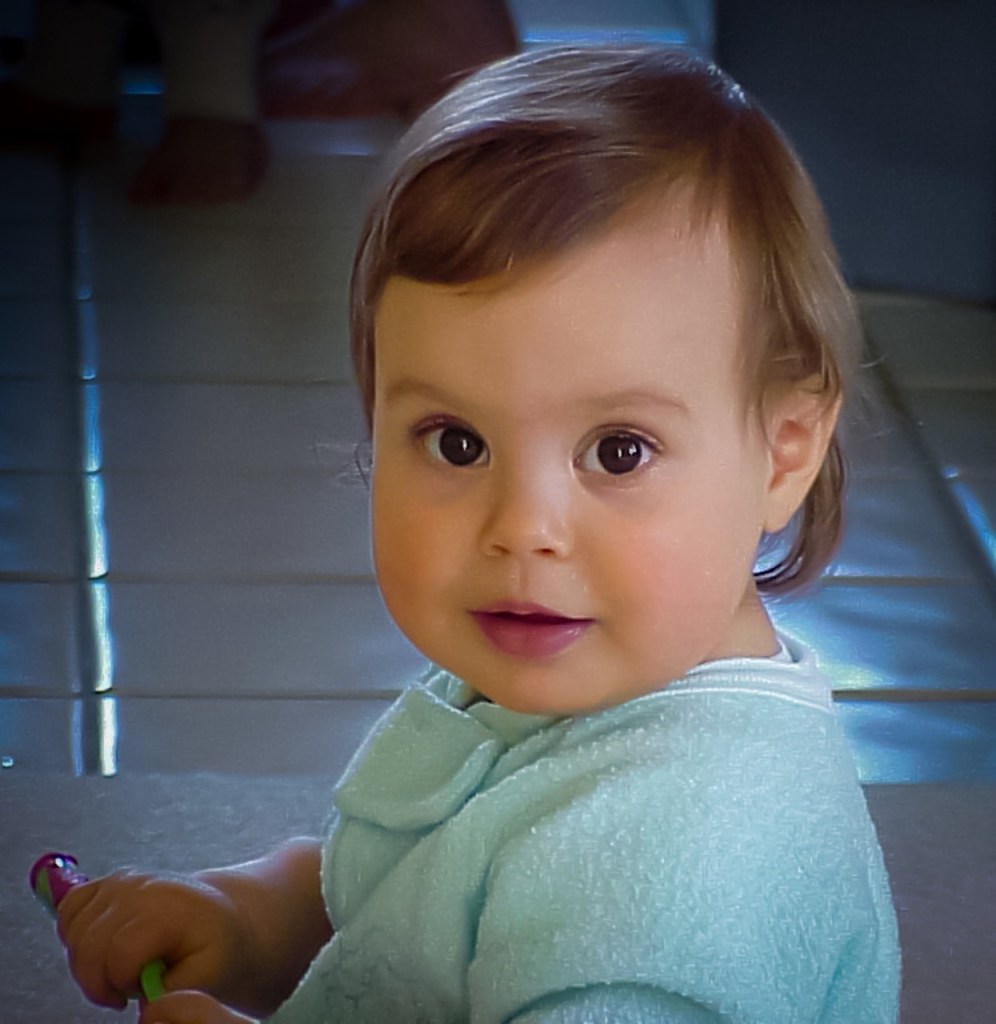
Honorable Mention: Dave Duquemin, Baby Jackie
Honorable Mention: Scott Galabota, Clean
Results of the People’s Choice voting for this group were: 1st Place, Doug Coombs, Brazil Indigenous; 2nd Place, Roebuck’s The Portrait; and 3rd place for Jetley’s Yobusame Girl.
The November 8 meeting of the Pagosa Springs Photography Club will feature Laura Brooks, who will present and discuss her documentary Bat City USA, a video about how a Texas city overcame its fear of one of the world’s most misunderstood creatures, largely thanks to the efforts of one man. The Club’s meeting will be held at the Community United Methodist Church, 434 Lewis St in Pagosa Springs. Come at 6 PM for socializing; the presentation will begin at 6:30 PM.
A giant colony of Mexican Free-tailed bats moved into an Austin, Texas bridge in the 1980’s, after a bridge reconstruction project created an ideal roosting habitat. The “bat invasion” created a media hoopla and alarm among residents worried about rabies. When the city threatened to exterminate the bats, conservationist and bat researcher Merlin Tuttle stepped in and fought to save them. Tuttle moved to Austin, then the epicenter of “worldwide bad bat publicity,” and founded Bat Conservation International to promote a positive image of bats.
Tuttle worked tirelessly to overcome opposition and change the public’s perception of bats from disease carriers to desirable creatures who help keep bugs in check. Tuttle became a pioneering bat photographer for National Geographic, developing special techniques that showed bats not as snarling beasts, but as creatures engaged in their natural ways of feeding, flying, and other behaviors. Tuttle used his striking photos as an important weapon in his battle to gain acceptance for the bats and their environmental benefits.
Thanks to Tuttle’s efforts, Austin now loves its bats. Each year, thousands of tourists are drawn to the downtown bridge for a close-up glimpse of one of the world’s largest urban bat colonies – at least one million bats.
The 54-minute documentary was directed by Laura Brooks, a Pagosa Springs resident and member of the Pagosa Springs Photography Club. Brooks has worked for years as a journalist in Central and South America and along the US-Mexico border.
Following the presentation, Club members may share and discuss up to five of their images per person with the group.
The Pagosa Springs Photography Club promotes educational, social and fun interactions between all who enjoy making and viewing great photography. The club sponsors educational programs and outings to help photographers hone their skills. We welcome photographers of all skill levels. For more information about the club, and to download a membership application, visit our website at https://pagosaspringsphotoclub.org/about/ .
The next meeting of the Pagosa Springs Photography Club will be held Sept 13 at the Community United Methodist Church on Lewis Street. Come at 6 pm to socialize with your fellow shutterbugs. The presentation will start at 6:30. The topic this month is Aperture and Depth of Field. We will watch and discuss a video on this subject by National Geographic photographer Joel Sartore. The video will discuss how to use aperture to create visual effects and control depth of field. When, and why might you want to use a shallow depth of field? What’s the effect of lens focal length on depth of field? What creative optical effects can you produce with either a low aperture such as f/2.8 or a high aperture like f/22? What is your experience? As Andy will be out of town, Vice President Gregg Heid will be hosting this meeting.
This will be a hybrid meeting. Those who can’t attend in person may request the Zoom link by email to abutler@mac.com. After the presentation, we will have a member’s image share. Please bring your images to share (up to 5 per photographer, jpeg format please) on a flash drive.
The Pagosa Springs Photography Club promotes educational, social and fun interactions between all who enjoy making and viewing great photography. The club sponsors educational programs and outings to help photographers hone their skills. We welcome photographers of all skill levels. Dues for 2023 are just $25 ($35 family). Those who join or renew prior to September 15 are eligible to take part in our 2023 Digital Photography Contest. For more information about the Club, and to download a membership application, visit our website at https://pagosaspringsphotoclub.org/about/ .
Photographs lend themselves well to abstractions; that is, you can create an abstract work of art using a photograph and photographic techniques. Let’s look at a few ways you can create abstraction photographs:
Photograph things that show a recognizable abstraction.
Photograph things that show an unrecognizable abstraction.
Photograph abstractions, such as other abstract works of art.
Make an abstraction photograph using a specific art filter (e.g., impressionist, Van Gogh, etc).
Use numerous photo editing filters to make an abstraction photograph.
Use Photoshop processes to make an abstraction photograph.
Use numerous photographs (collage) to make one abstraction photograph.
Use AI.
These are enough ideas to get you started. But there’s no limitation on the techniques you can use to make abstract art in photography.
Abstraction
What’s the definition of abstraction for the purposes of this article? It’s simply abstracting something that’s an unreal image from something that’s real. Or creating something from scratch that’s unreal. And it can have a beauty all its own. For instance, an abstract painting is an artists’ abstraction of a visual display from their own thoughts, imagination, or dreams. In this article, the focus is on abstracting a photograph from a recognizable image (photograph) or work of art.
Recognizable Abstraction
You can easily photograph almost anything in a way that shows it as an abstraction. But the abstraction can be recognized by the viewer. This is a popular and effective way to use abstraction as an artistic tool.
This is a recognizable shed but is such a bizarre shot that it qualifies as an abstraction
Unrecognizable Abstraction
You can also easily photograph almost anything in a way that shows it as an abstraction, but one that a viewer cannot recognize. This is also a popular way to use abstraction as an artistic tool.
This a straightforward shot of a physical location that’s unrecognizable
Other Abstract Art
You can photograph other abstract art to achieve an abstraction. If you simply copy a work of abstract art, there’s often not much creativity involved. Nonetheless, works of art come in all shapes and configurations. If you shoot an abstract work of art in an unusual way or shoot only part of an abstract work of art, you can create something fresh.
This is a partial photograph of some Chihuly glasswork
Filter
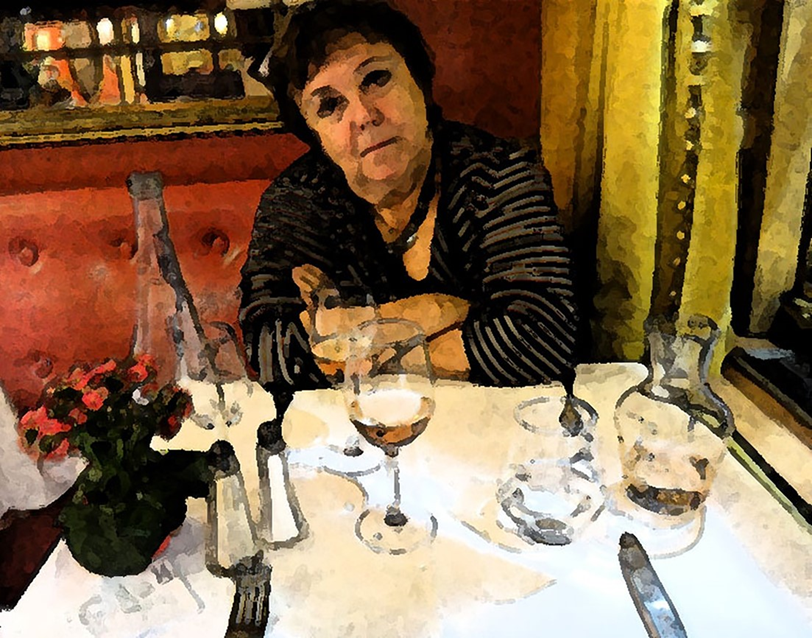
You can use a filter to make a photograph abstraction. For instance, there are filters to make your photograph look like a Van Gogh or numerous other artists. This is an easy and fun way to make abstraction. And such abstractions can be very attractive and worthy of printing for use or for sale.
This has an impressionist look made from a photograph taken in a Paris restaurant
Numerous Filters
You aren’t limited to using only one filter to manipulate a photograph. You can run a photograph through numerous filters to get a very creative abstraction photograph.
On the bottom is the end result of using three Photoshop filters on the photograph at top
Photoshop
Photoshop has lots of processes for turning photographs into abstract photographs. Let you imagination run loose.
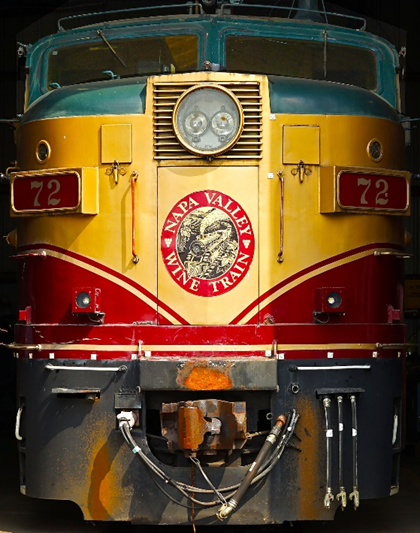
This was created simply with the use of extreme saturation
Collage
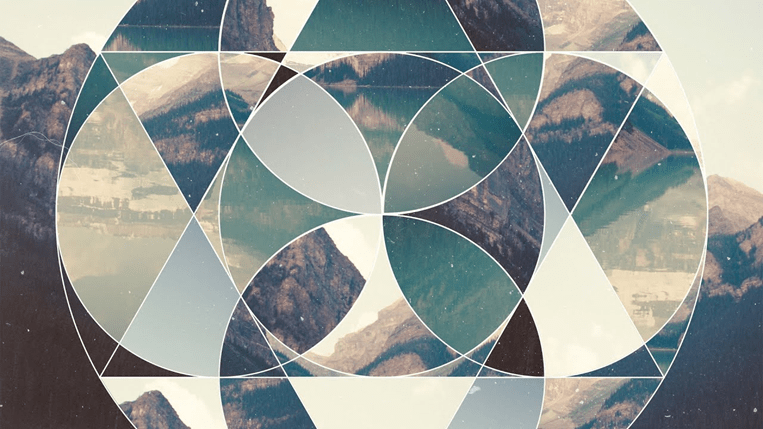
You can combine photographs to get an abstract photograph. Typically, a physical collage can contain almost anything physical such as fabrics, newsprint, pieces of glass or wood, artistic painting, etc. The end result is an abstract work of art. Likewise, you can do the same with multiple photographs. Keep in mind that photographs can be opaque (normal) or have a degree of transparency (rendered in Photoshop) that enables a wide range of creativity.
A collage made from numerous photograph pieces
AI
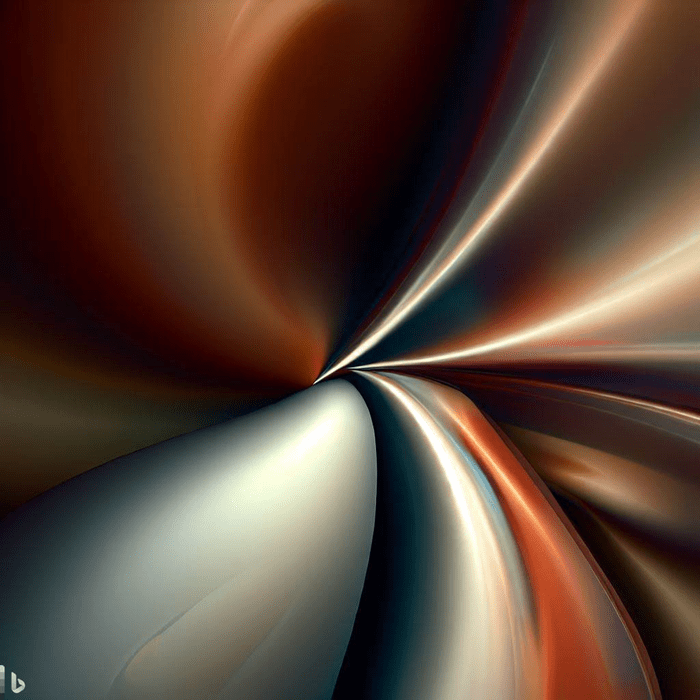
AI is the newest way to make abstractions. You feed words into an AI generator and get a result. In other words, you play around with words instead of with Photoshop digital tools.
AI: abstract salt pepper wallpaper
Disease
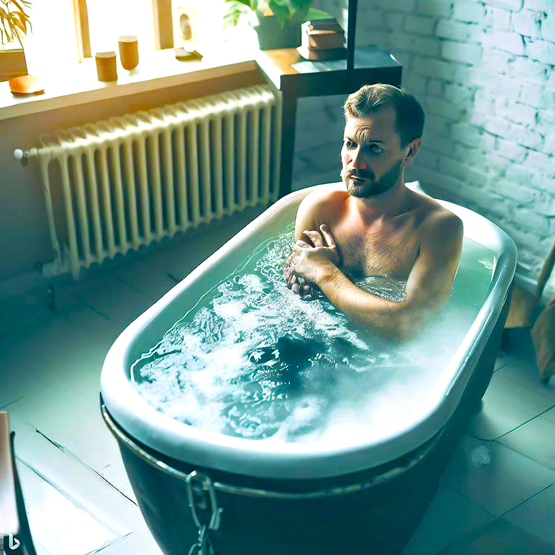
The trouble with most of these techniques is that you can play around with them forever. It becomes an addiction-like disease. You lose all sense of time, reality, and family. The only cure is an ice-cold bath and a dozen sessions of psychiatric therapy.
Most of us take a lot of photographs. Then we pick out the good ones and post them someplace digitally or print them. But the ratio is typically large. At least for me it is. I get one good (artistic) photo out of about 300 shots or more.
It is in reviewing all the discards that you may find some abstraction potential. A photograph that isn’t traditionally attractive may have some unique quality making it ideal for an abstraction. Keep that in mind as you look over your photographs.
Communication
Clearly, normal photographs communicate much about ourselves. And isn’t that the whole point of taking photographs: expressing ourselves. But abstractions go a step beyond normal communication. They better communicate phenomena not to be found in normal photographs—phenomena such as dreams, unnatural visions, and elemental sensitivity. Indeed, abstractions are us.