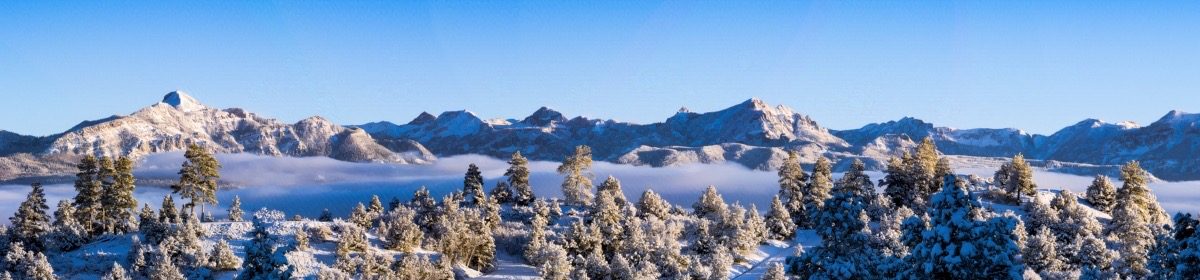
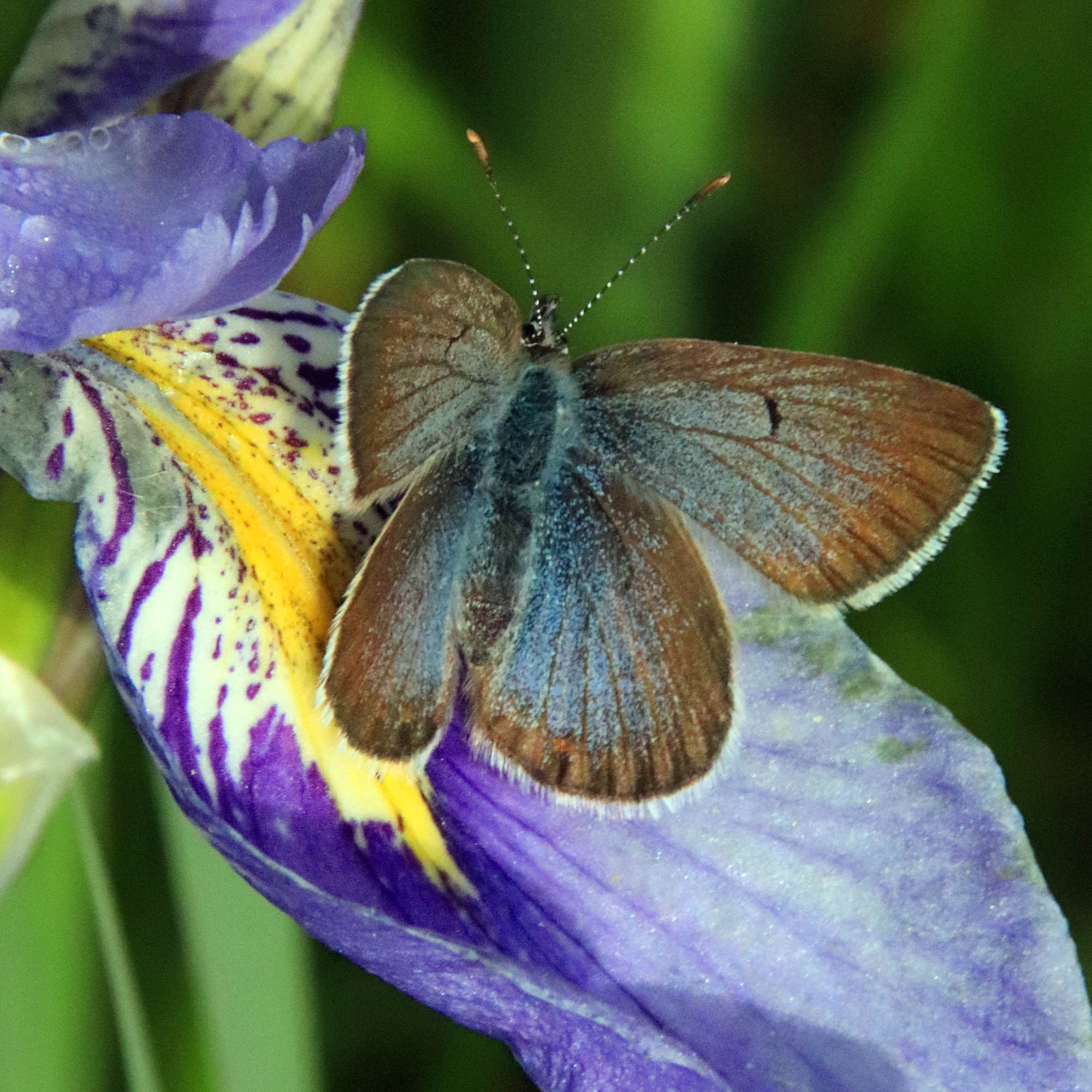
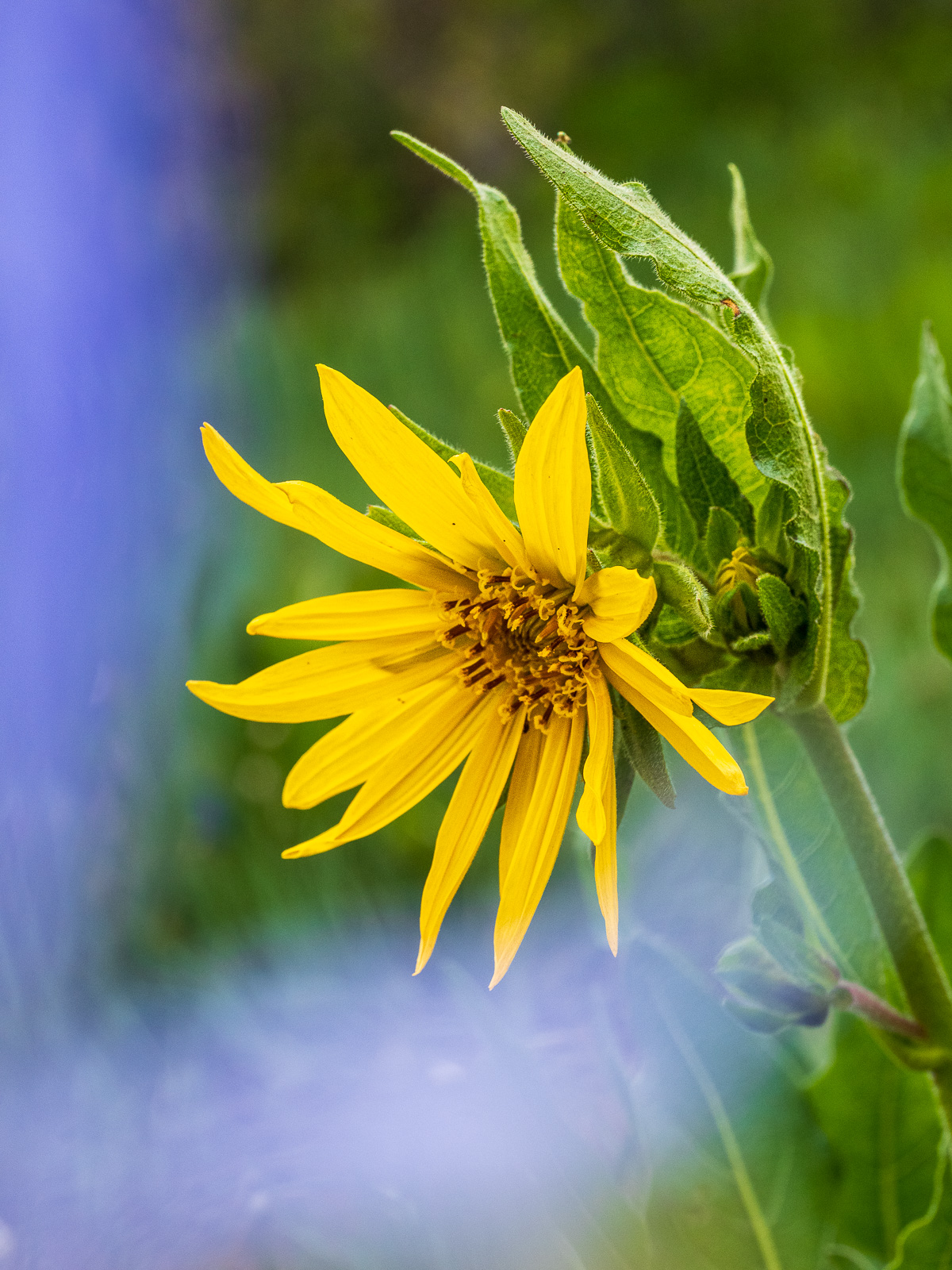
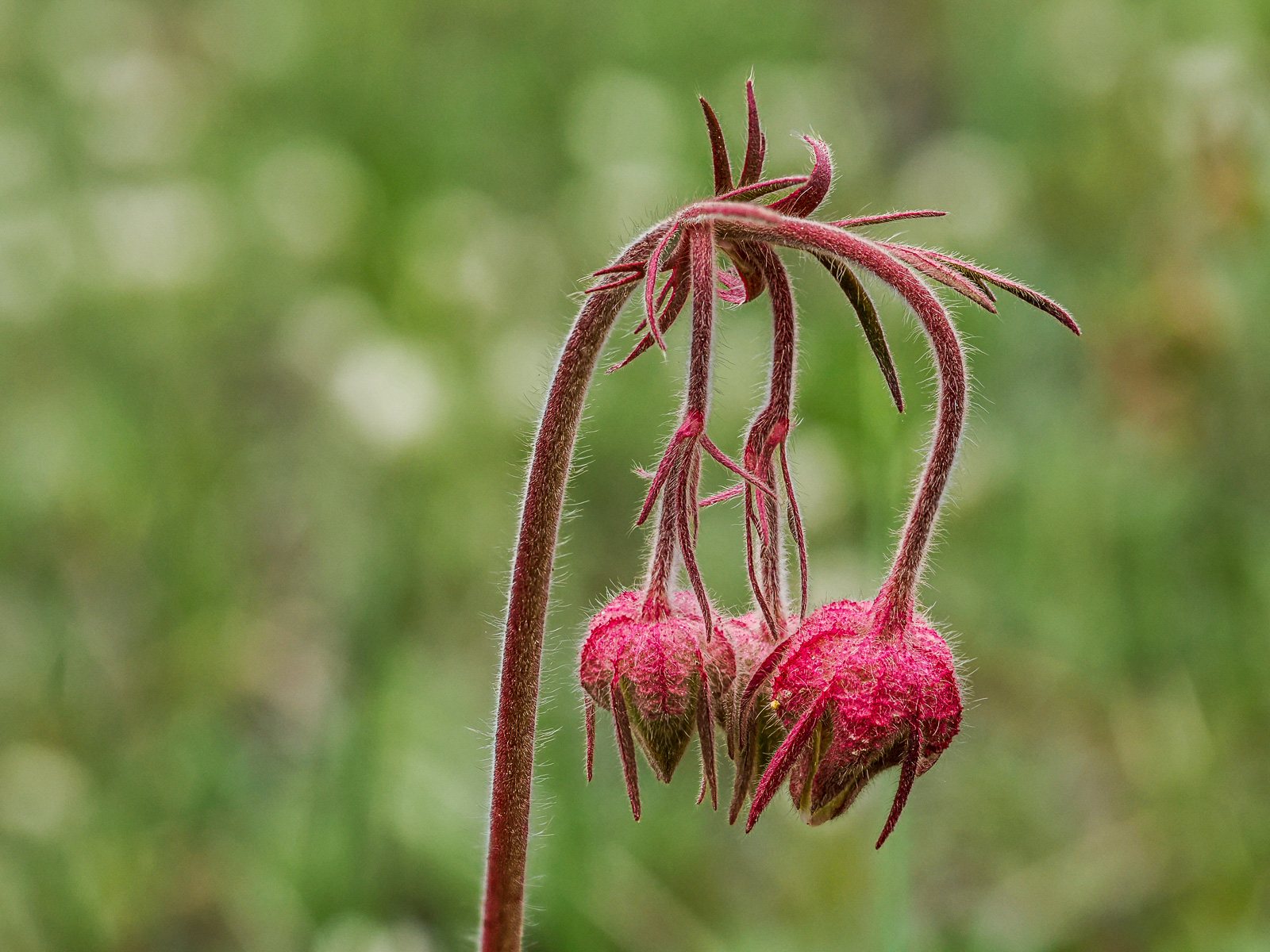
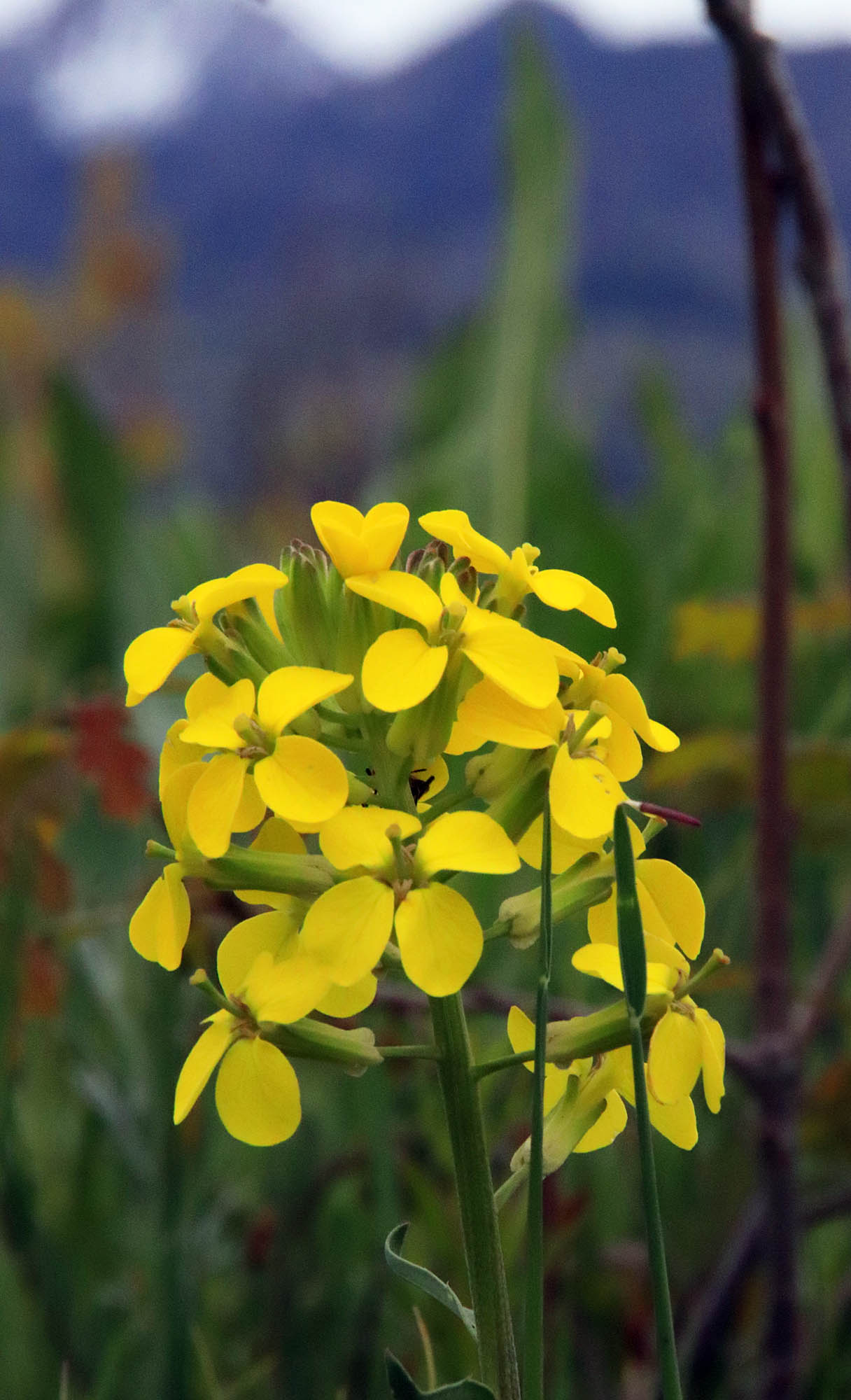
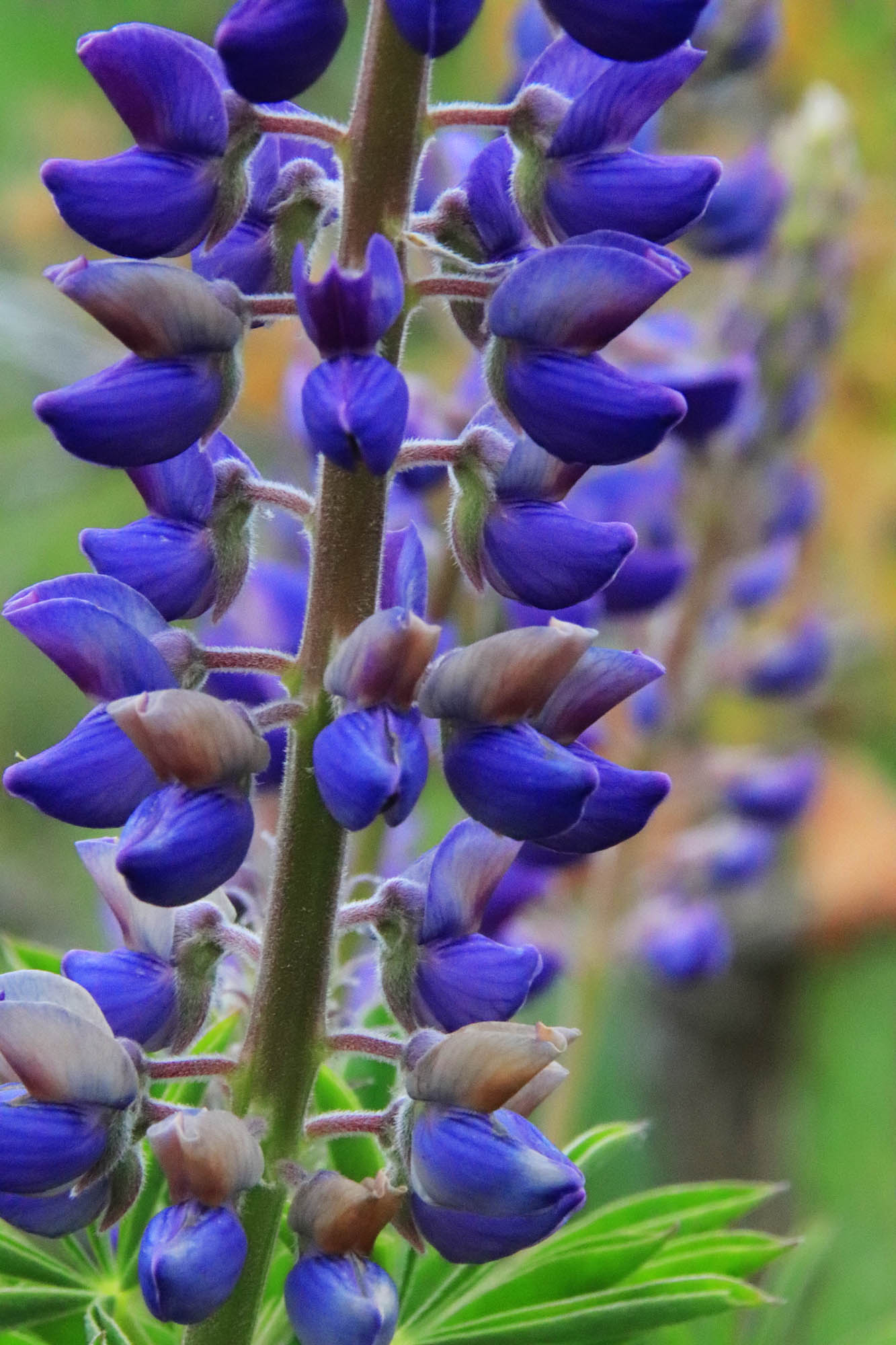
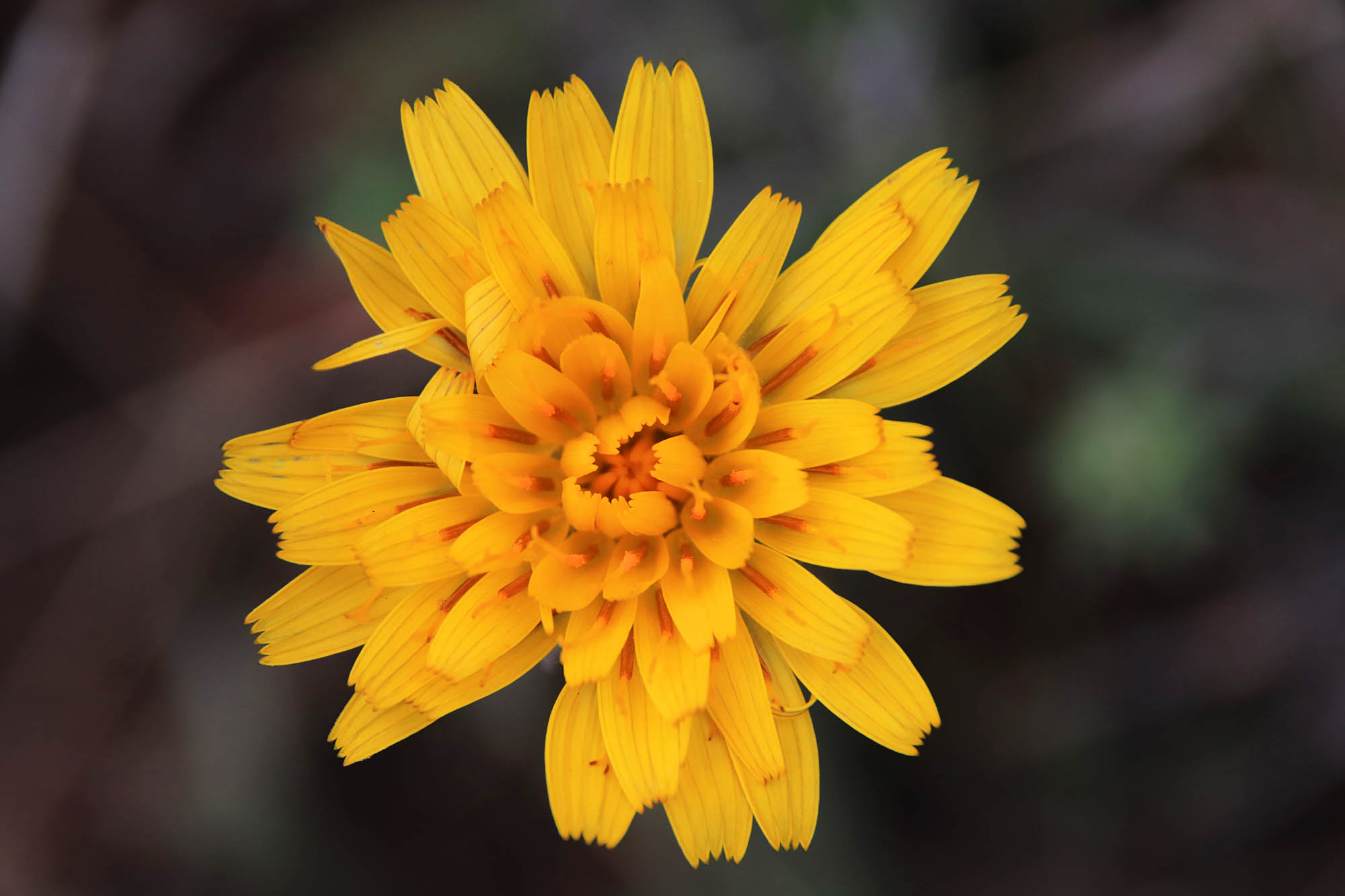
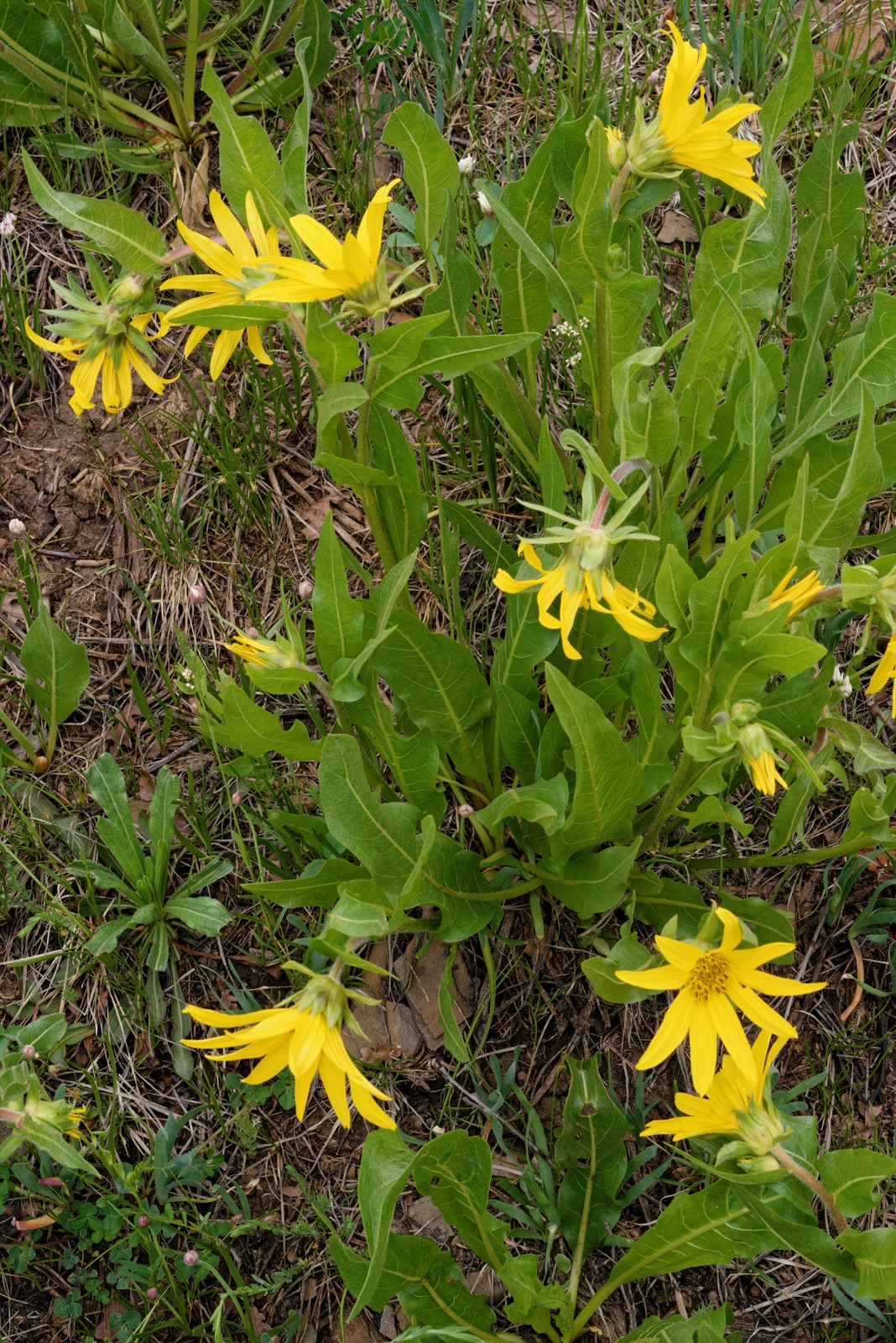
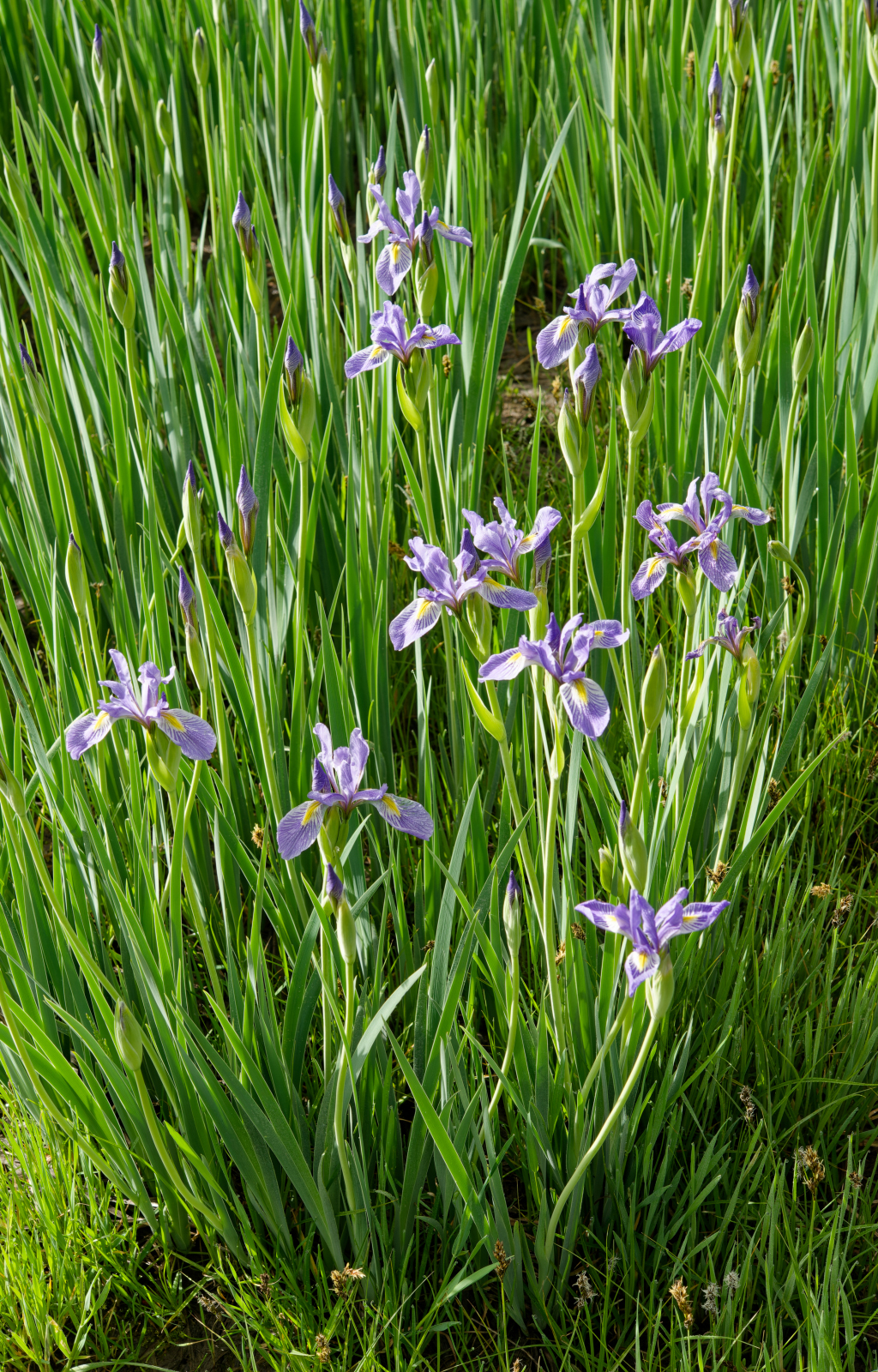
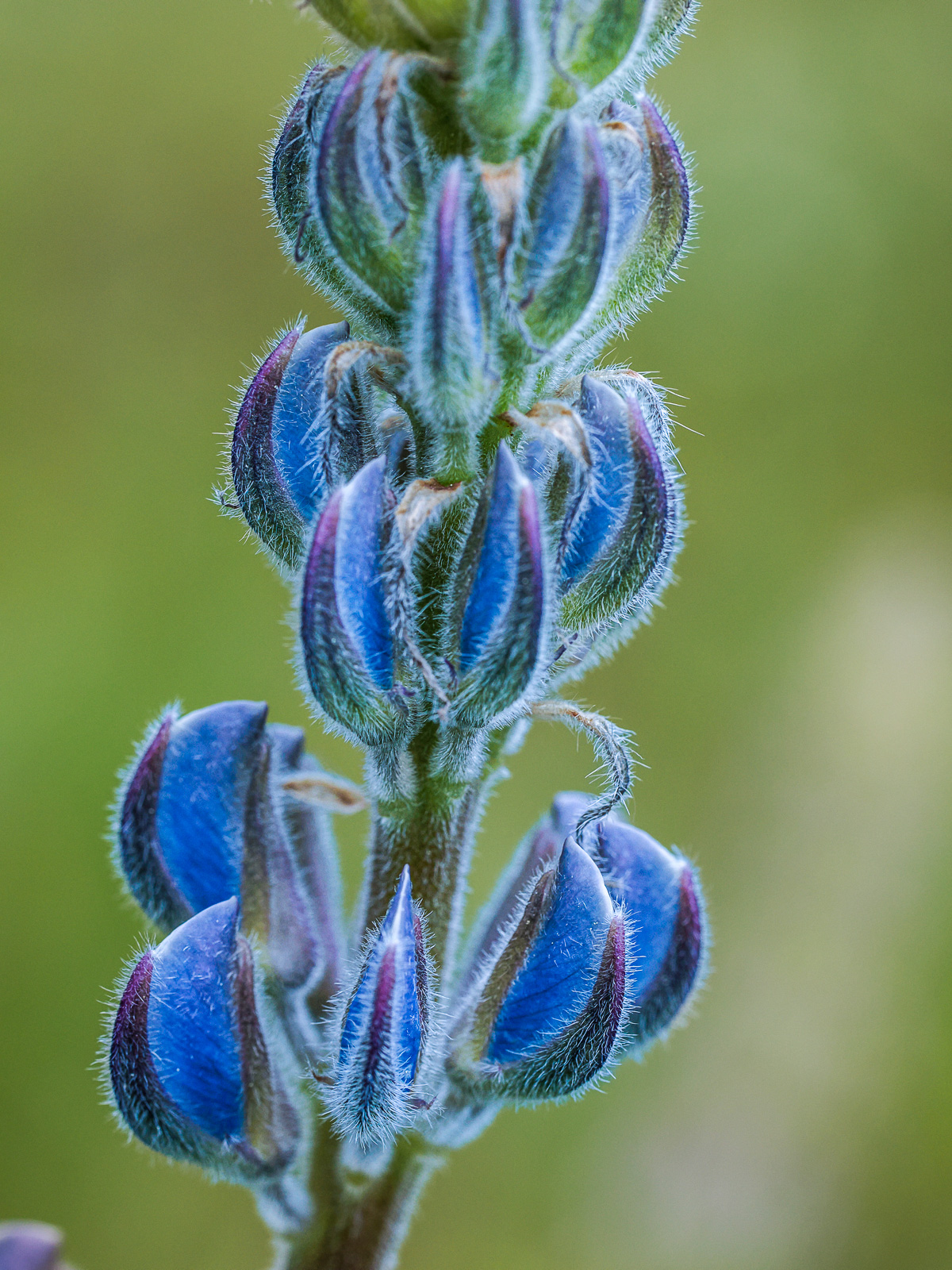
Although we are used to plenty of bluebird days here in the shadow of the San Juan Mountains, that isn’t always what we get. And for our June 2 wildflower outing, we had clouds and cool weather. Luckily, cloudy skies can still be great for photographing wildflowers! Several members of the Club spent the morning wandering through meadows and forests near Pagosa Springs to enjoy and photograph spring wildflowers. Thanks to Gary Webb, Rob Hagberg, Mark Guenin, Kristine Rubish, Andy Butler, Chris Plemons, and Dave Anderson for participating. Below is a sampling of the images. Click on an image to view a larger version, and use the arrows to. move from one image to the next.
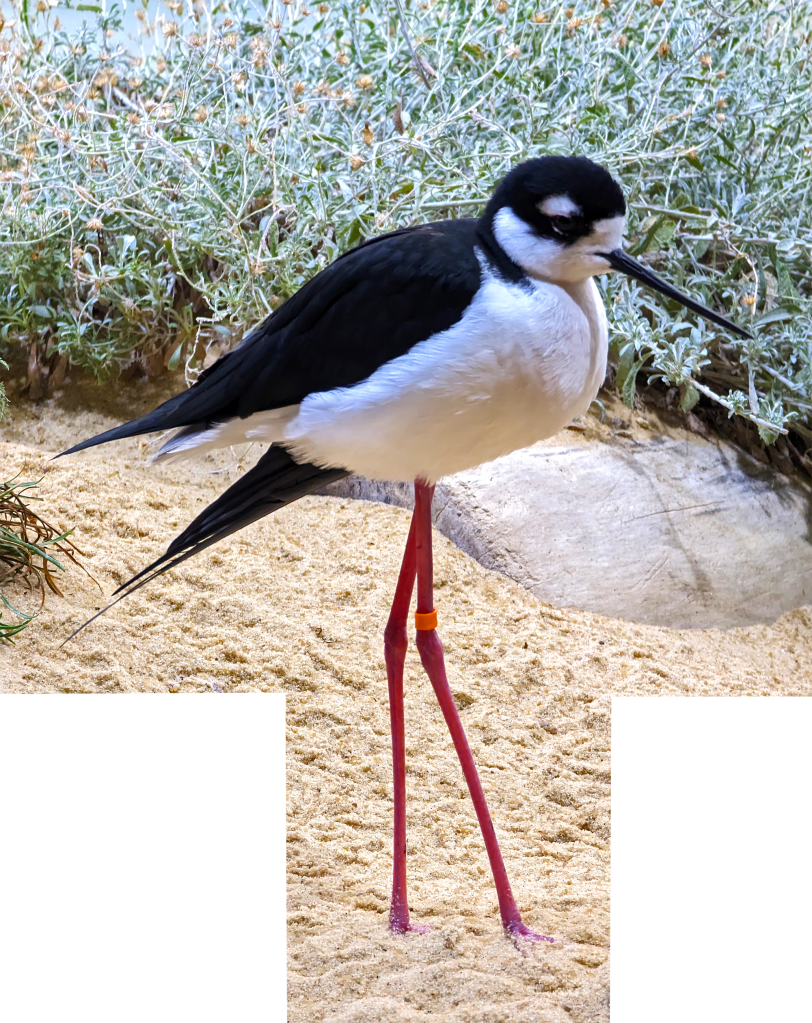
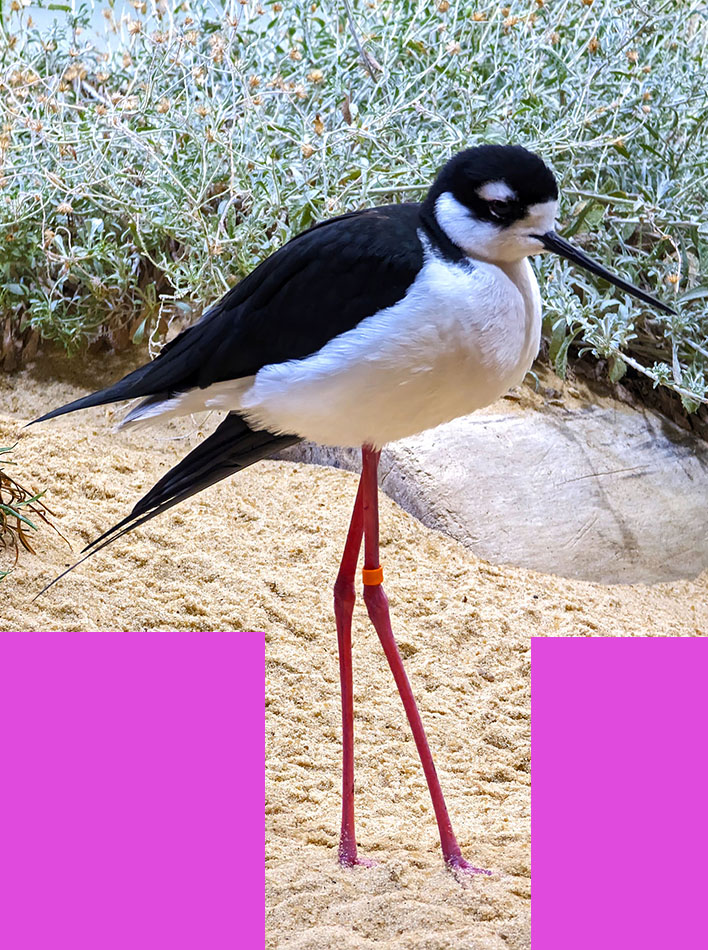
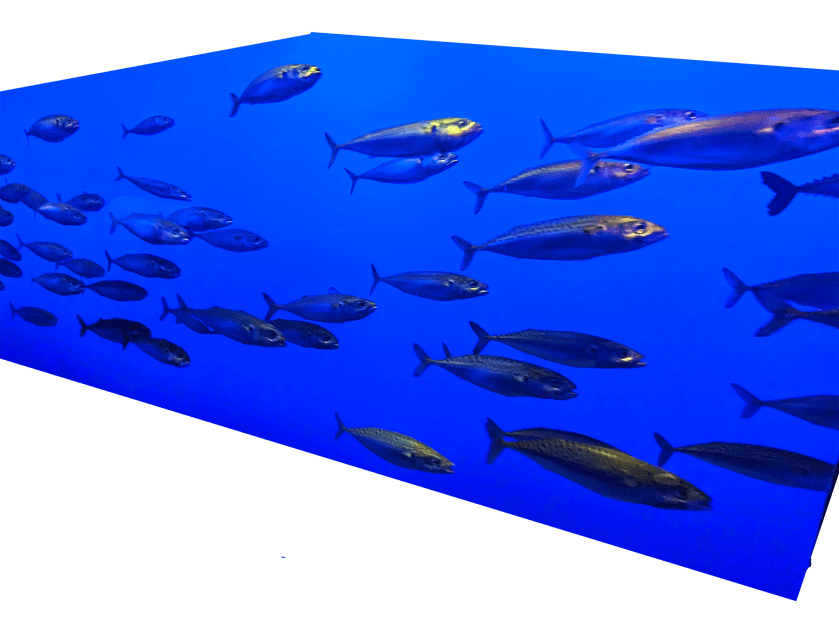
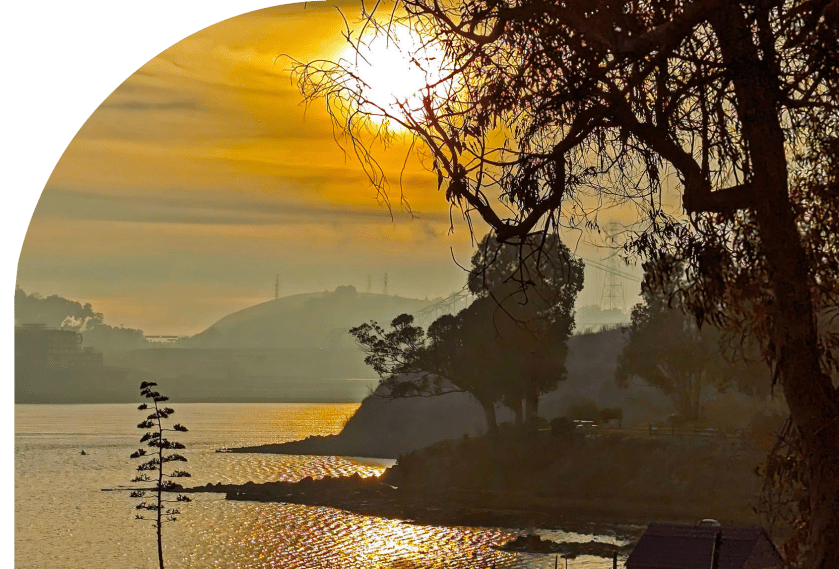
What is cropping a photograph for the sake of discussion in this article? It’s changing the shape of the image into something other than a rectangle. Thus, when it displays on a digital screen, it has a new shape.
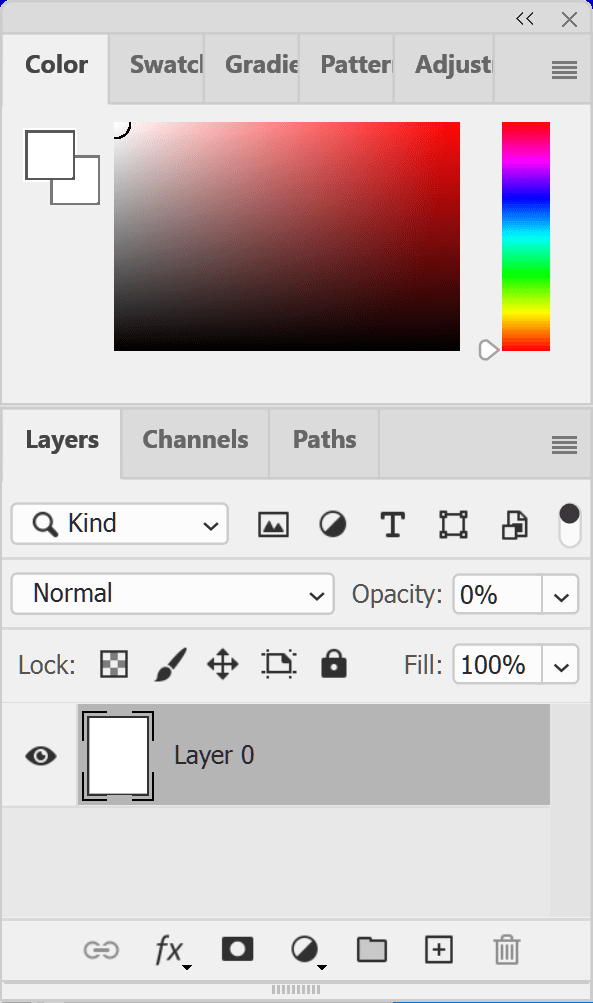
Create a new image in Photoshop the same dimensions of the photograph and make sure it’s all one color (white is the default).
2. Make the opacity of the image 0. This is the background layer, and the background hash will show as you work.
3. Create a second layer.
4. Import and place the photograph onto the second layer covering the entire layer. Then rasterize the layer.
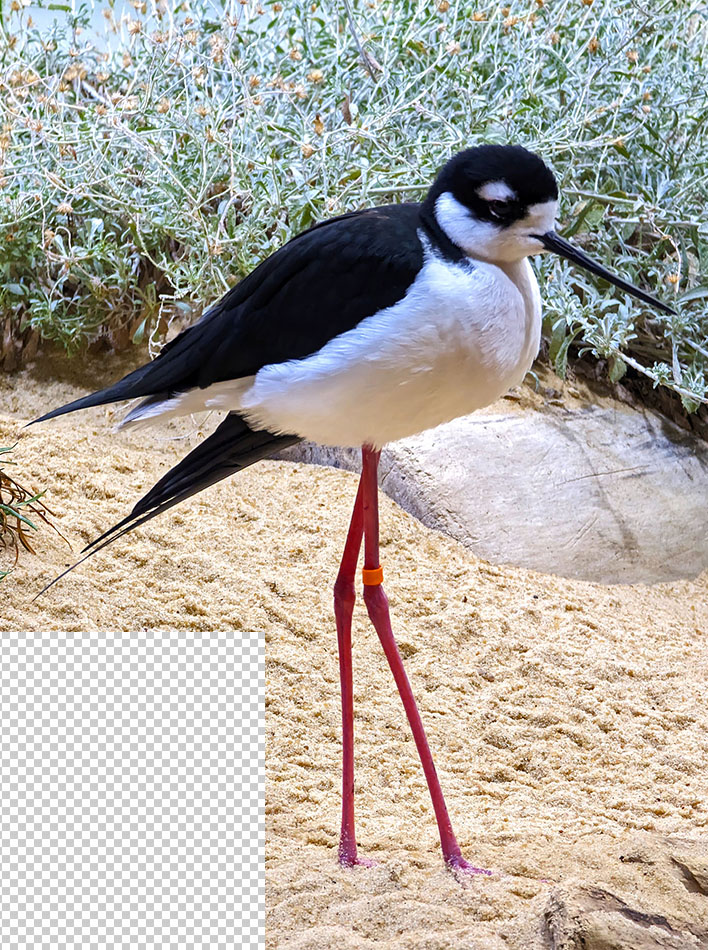
5. Use the rectangularmarquee tool (or another selection tool) to create a shape that you want to cut away.
6. Erase that shape; be careful to erase everything within the shape.
7. Create more shapes to cut away and erase them until you get the crop (new overall shape) you want.
8. Merge the second layer to the background layer using the merge layers tool.
9. Save as a .png (PNG – portable network graphic).
How will this display? The cutaway portions of the photograph should not show (should be invisible) on most digital displays. (On some rare digital displays, the background hash will show leaving the photograph a rectangle with the background not invisible.)
Note: this will work only if saved as a .png photo files.
If you’re going to cut away portions for a metal print, make the background layer a florescent color with full opacity so that the photo service will know where to cut. After the cuts, the metal print will have a creative shape.
Most photo services do not offer cutting. One that does is MagnaChrome:
The June Photography Club meeting will be held on Wednesday, June 14, 6:00 p.m., at the Community United Methodist Church, 434 Lewis Street in Pagosa Springs. Our topic this month is Controlling Time: Creative Use of Shutter Speed in Photography. We will watch and discuss a video by National Geographic photographer Joel Sartore on how to use different shutter speeds to create a variety of moods in your photos. Do you want to freeze action with a very high shutter speed, or use a low shutter speed to depict movement? There are many creative choices possible. This will be a hybrid meeting, also available on Zoom. Club members will receive the Zoom link by email. If attending in person, arrive any time after 6 p.m. for socializing, the actual program, and Zoom, will begin at 6:30 p.m.
Club members may bring up to five images on a flash drive to share and discuss with the group following the presentation. As a reminder, submitted images should be JPEG (JPG) format. Resize to about 2000 pixels in the longest dimension.
The Pagosa Springs Photography Club promotes educational, social and fun interactions between all who enjoy making and viewing great photography. The club sponsors educational programs and outings to help photographers hone their skills. The Photography Club welcomes photographers of all skill levels. Dues for 2023 are just $25 ($35 family). For more information about the club, and to download a membership application, visit our website at https://pagosaspringsphotoclub.org/about/ .
An art museum isn’t just a place to see pretty pictures. It’s a place to learn. So, to my surprise, I discovered David Hockney (artist-painter-photographer) in the de Young Museum bookstore (San Francisco). Had never seen his art. But more importantly had never read one of the many books by him or about him (https://www.hockney.com). How is that possible? Well, I’m not an art critic, just a guy off the street.
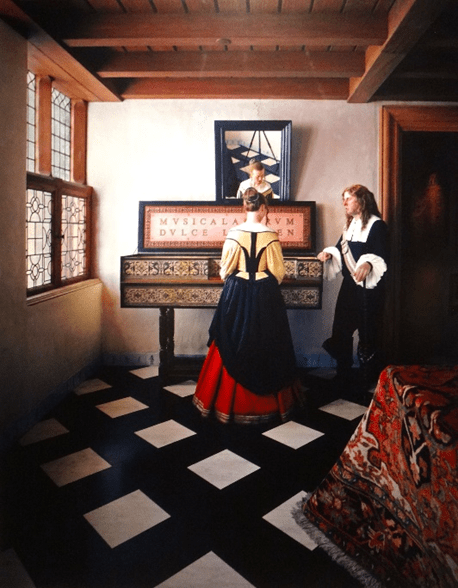
A new book Hockney’s Eye, the Art and Technology of Depiction (2022) edited by Gayford, Kemp, and Munro (with each chapter written by a different author) argues that according to Hockney, the artists of the past used camera devices to help paint their works of art (two-dimensional art). I remember I read something a few years back that a Flemish artist (Vermeer) had used the camera obscura to paint a classic painting. It was something of a revelation and somewhat controversial.
Hockney argues that, in fact, all artists have used cameras aids to paint, and that camera aids were and are a common artist’s tool.
Camera Hockney’s definition of a camera is a device that captures an image, such as the camera obscura (millenniums old), the camera lucida, the graphic telescope, and the iPhone. A camera in the modern sense is a device that not only captures an image but also records it.
For instance, what does the camera obscura do? It projects a real live image onto a surface (i.e., an artist’s canvas). The projected image can be any size. The artist then sketches over the image to get a realistic foundation for a painting. Until impressionism, realism (naturalism) in painting was a common artistic goal.
Interestingly, to Hockney the photograph is the most unrealistic depiction of all. It merely duplicates reality but doesn’t interpret it. It is left to the artist (painter) to interpret a scene, object, or person. No artist’s aid can create such an interpretation. Indeed, Hockney uses an iPhone as a sketch pad—the beginning of an artwork. Thus, an iPhone photograph can be the beginning of an artwork, but not the end, an interesting dogma about photography.
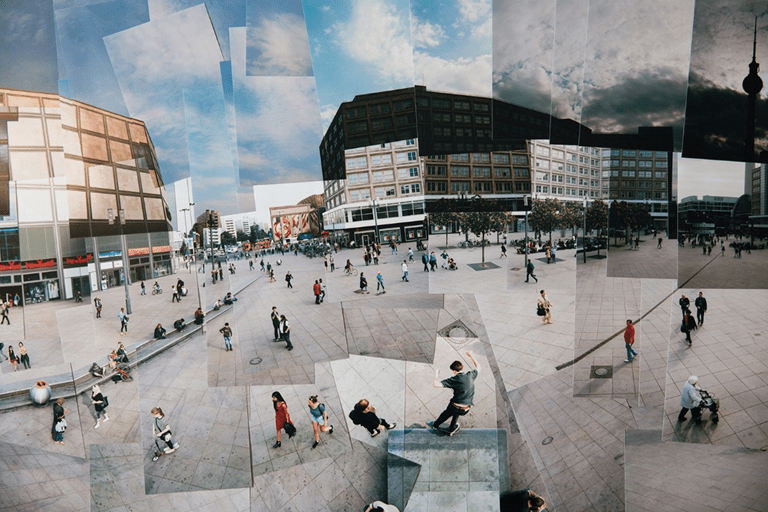
Nonetheless, Hockney is not limited in vision to photography as an artist’s aid. He has done some interesting artwork depicting actual photographs and has also done much experimenting in assembling multiple photographs into one complex image (a collage). His collages were exhibited in galleries around the world in 1983 and again in the first decade. He even received a letter from Henri Cartier-Bresson telling him how wonderful his photographic works are.
A street scene collage
A more comprehensible street scene collage
According to Hockney, it takes more than one photograph (more than one visual point of view) to make an interpretation. In fact, I think that one of my multi-shot panoramas is more in tune with my vision of the scene (see below) than a single shot. I consciously rejected a single shot because it just didn’t do justice to the pleasing slopes of the hill.
My 7 photographs stitched together in Photoshop
This shot was never intended to be a great photograph. This was an experiment. It was simply a photo opt that had a problem. I couldn’t capture my vision with one normal wide angle shot. The panorama (7 points of view) was the answer.
Stitched College If Photoshop didn’t stitch together my 7 shots seamlessly, my 7-shot panorama would look similar to Hockney’s collages.
Thus, it makes sense when Hockney says that it takes more than one photograph to create a work of art.
Is that true, however? Are multiple visual points of view necessary to be considered an interpretation and thus a work of art?
What does Hockney have to teach photographers? First, his study of the use of technology to create art is a valuable guide in creating any two-dimensional art. Second, great works of art are not great because they duplicate reality. Great art always comes with an interpretation. Third, photography is not limited to single-shot photographs. In fact, a single-shot photograph can be very limiting.
Hockney is a guy who sees the iPhone camera (or any camera) primarily as an aid to painters (artists). Nonetheless, it seems to me that an iPhone isn’t just an aid to artists. Can’t you take a photograph in a way that interprets reality and thus creates art? I think so (which puts me at odds with Hockney).
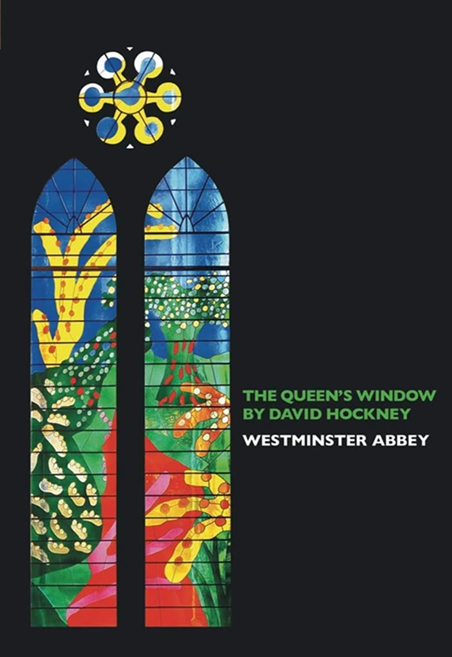
Hockney (now in his 80s) is a British artist well associated with several leading British art museums, the author of many books, the creator of the stained-glass window in Westminster Abby that commemorates Queen Elizabeth’s reign, and an art experimenter reminiscent of Picasso.
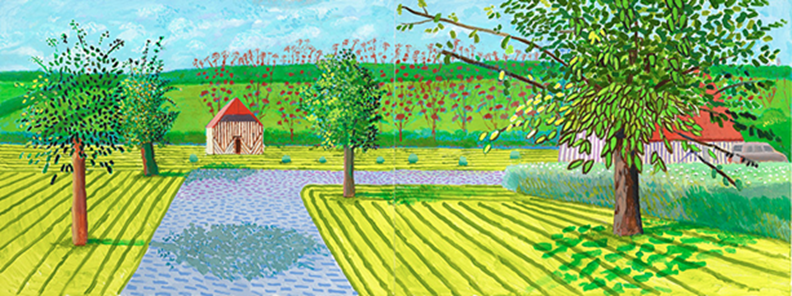
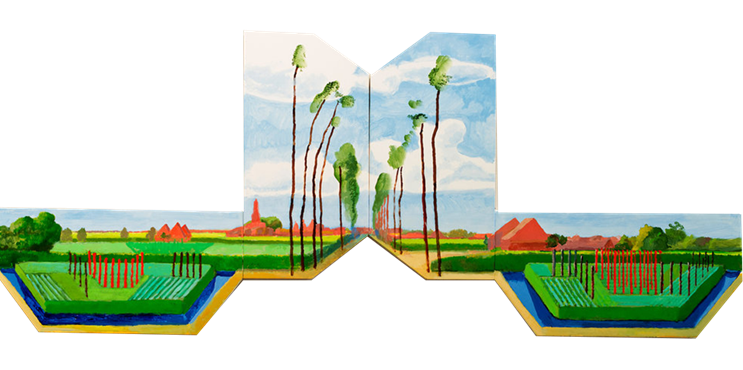
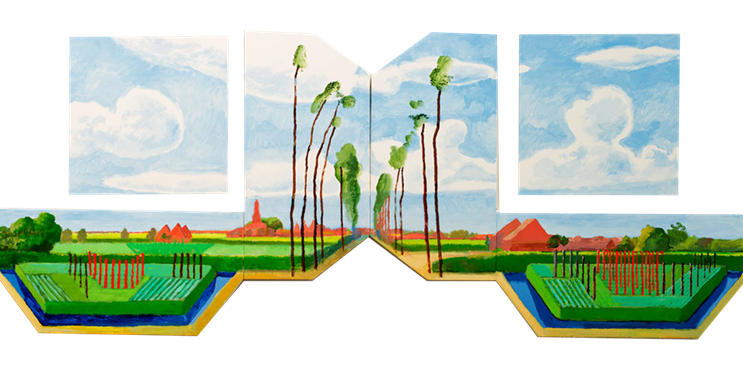
Whether you like his art or not, some of his books are directly relevant to photography. And he even does some engaging artwork depicting actual photographs or creating photographic collages as illustrated above. Interestingly, some of Hockney’s paintings have odd shapes (i.e., not rectangles or squares) based on his unusual points of view.
Available Now Odd-shaped art makes MagnaChrome’s capability to cut metal prints into any shape a compelling facility, assuming you have an eye to the future and a lust for new ideas. That is, the Hockney shapes immediately above are natural candidates for cutout metal prints.
But that’s not all. Hockney did his photographic experimenting long before metal prints. It seems to me his photograph collages would be much more appealing if they were cut out. For instance, his street-view collage first above (about 75 different photographs) is on a drab gray background that does nothing to add to its aesthetic value and even detracts from its appeal. If it was a cutout metal print, however, it would have more appeal, albeit with a strange shape.
To elaborate on my opinion, photography by itself can be an art (contrary to Hockney). Photographers don’t necessarily create art simply by shooting reality. And photographs don’t have to have multiple visual points of view to be valid art. Photographers have always had lots of photographic techniques to render an interpretation. And photographers now have extra-analog techniques for interpretation, such as Photoshop (i.e., digital technology). In answer to my argument, Hockney will argue that painting gives an artist much more flexibility in creating art with or without the aid of a camera. Maybe so. But that doesn’t necessarily indicate that a photograph cannot be art.
Wow! One of Hockney’s paintings sold at a Christie auction in 2022 for $90 million. It was owned by one of his patrons.
$90 million for a nice painting of an LA swimming pool
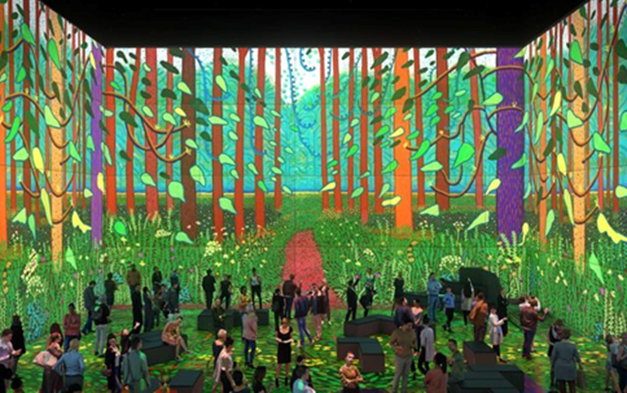
Currently Hockney is on exhibit in London (https://lightroom.uk) with a display of his art projected on the walls. The difference between this dynamic artistic display, and other similar ones that have proceeded it, is that a living artist (Hockney) has had a hand in producing it.
Hockney has exceptional ideas about two-dimensional art, many of which are relevant to photographers. But beyond dimensions, the chapter on color is remarkable. Hockney is cognizant of the physics, physiology, and psychology of color and the role it plays in paintings. Indeed, the levels of actual colors that appear in nature are much greater than that of the color pigments (for painting). But the levels of digital color are much greater than that of pigment color.
Consequently, Hockney has taken to an iPad to paint his art. That is, Hockney now paints with an iPad as well as with a brush. This relates directly to photography wherein one can change colors subtlety or dramatically by manipulating them digitally (e.g., in Photoshop). But first one must study color in order to understand its effect on viewers. The chapter on color is a good start.
This book was published by the Fitzwilliam Museum of Cambridge University with which Hockney has a professional association. Unfortunately, the book is technical and is more fitting for college art school than for casual reading. Yet a photographer can still profit by absorbing some of it, if not all.
Please keep in mind that my review of this Hockney book may be very misleading. After all, I’m not an art critic, just a guy off the street. So, read the book yourself.
What’s the bottom line for photographers? Experiment! Experiment with Hockney’s ideas. We don’t have to do a 70-shot college. We can do a 7-shot college. We don’t have to do a panorama of a landscape. We can do a panorama of a car (at a car show). Or whatever. Experiment.
Unfortunately, experimentation is a lot of work and expense. To do my simple panorama (above) required a tripod, a special head for the tripod, and an hour’s work of getting set up and shooting; not to mention the postprocessing I did in Photoshop. And that wasn’t even an attempt to create art.
To be clear, creating worthwhile art has never been easy. And we need all the ideas we can get in order to experiment and become more creative.
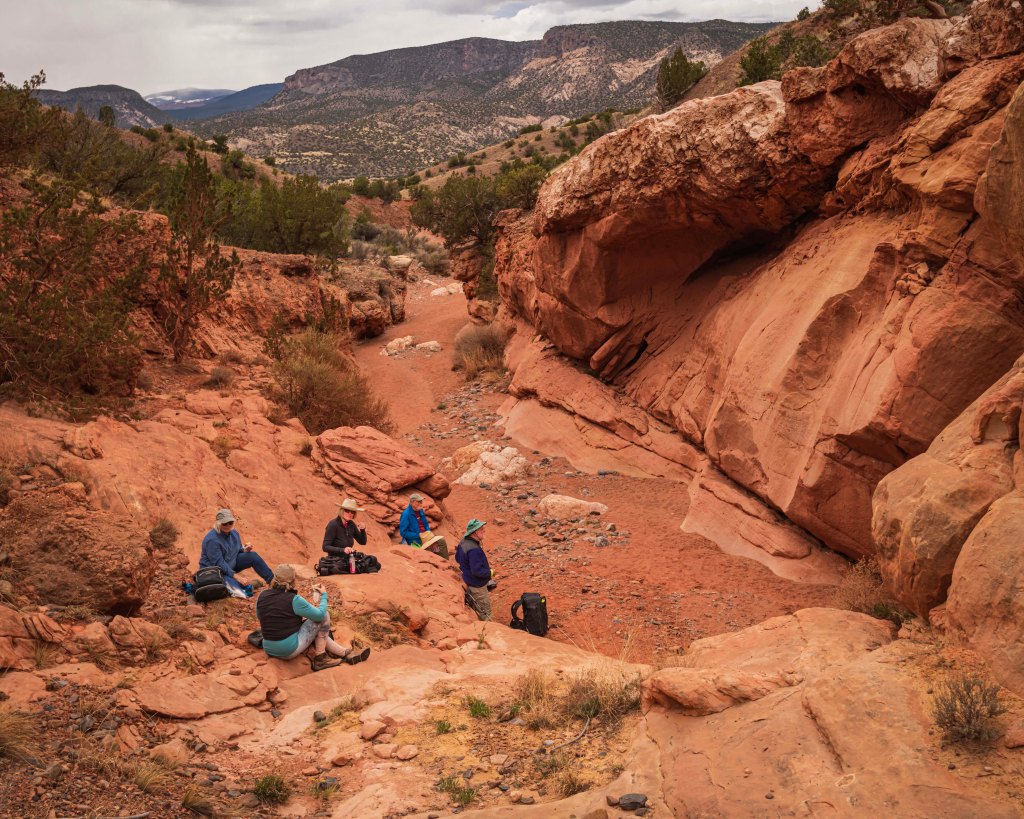
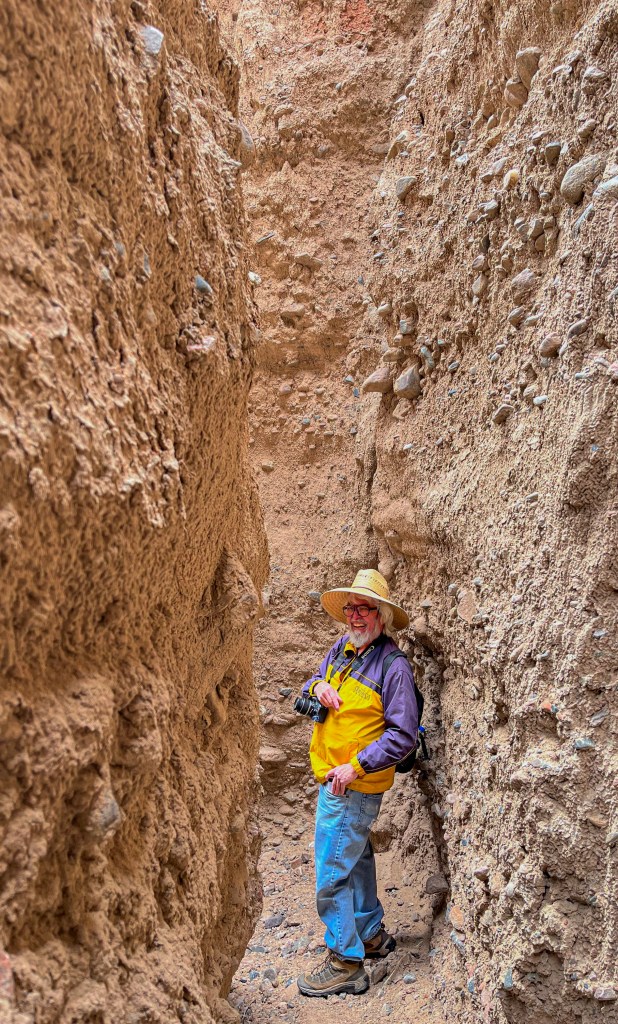
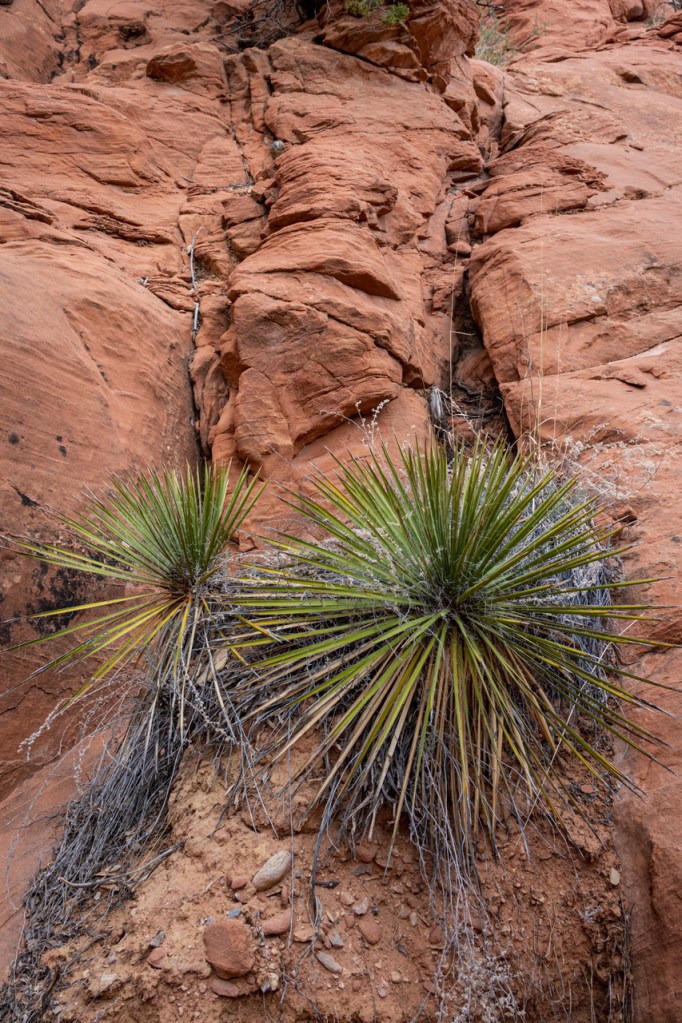
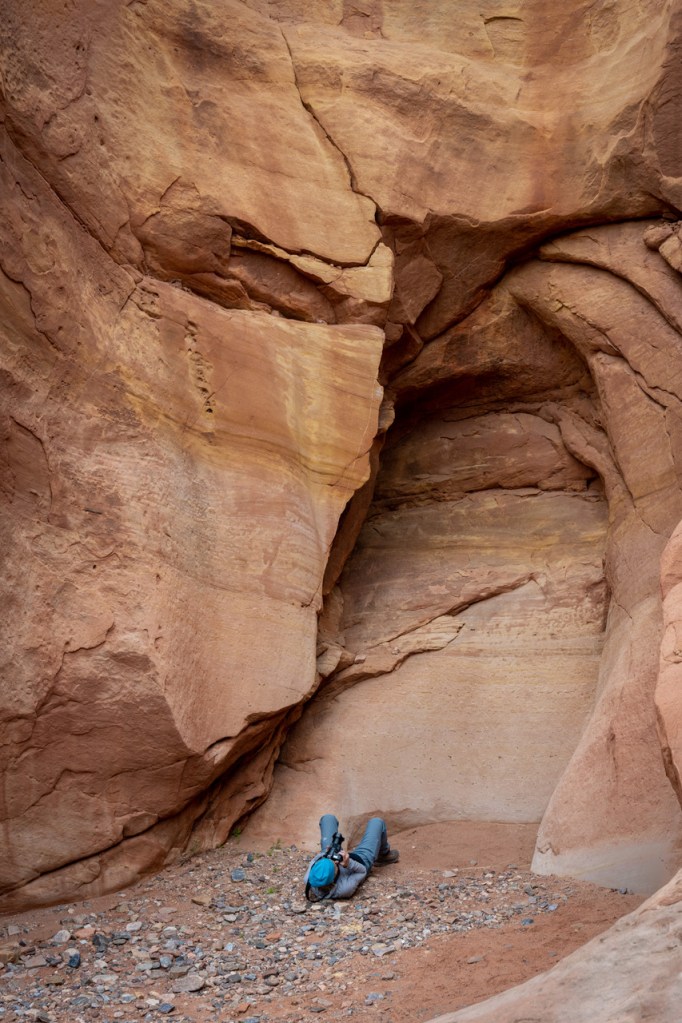
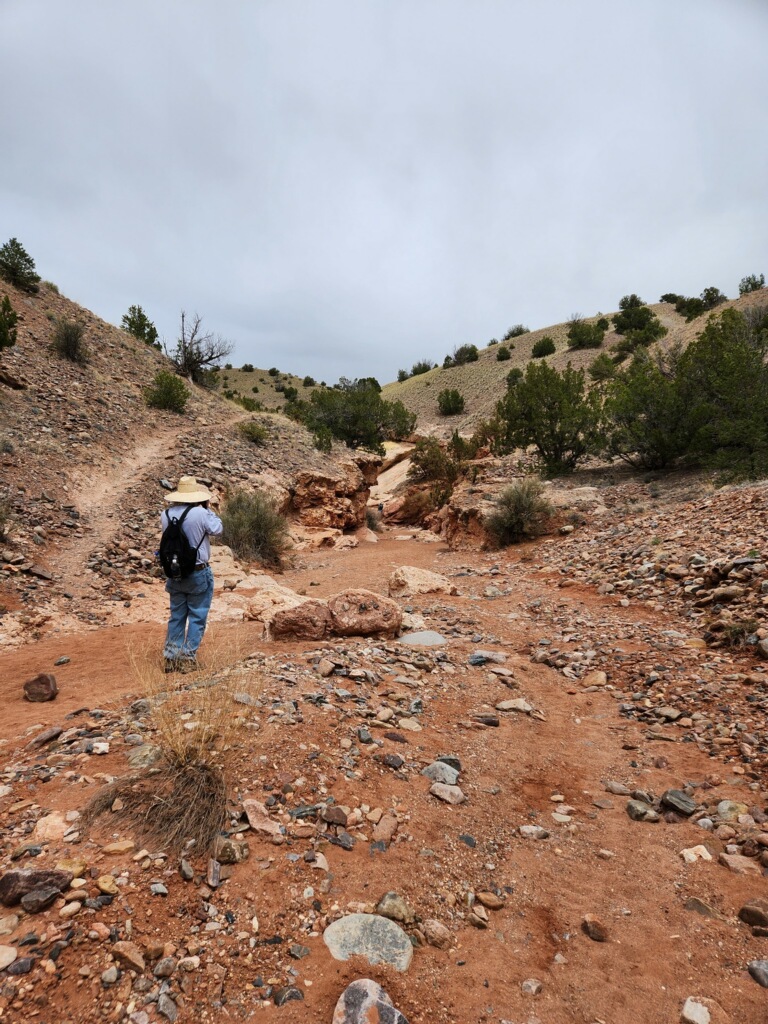
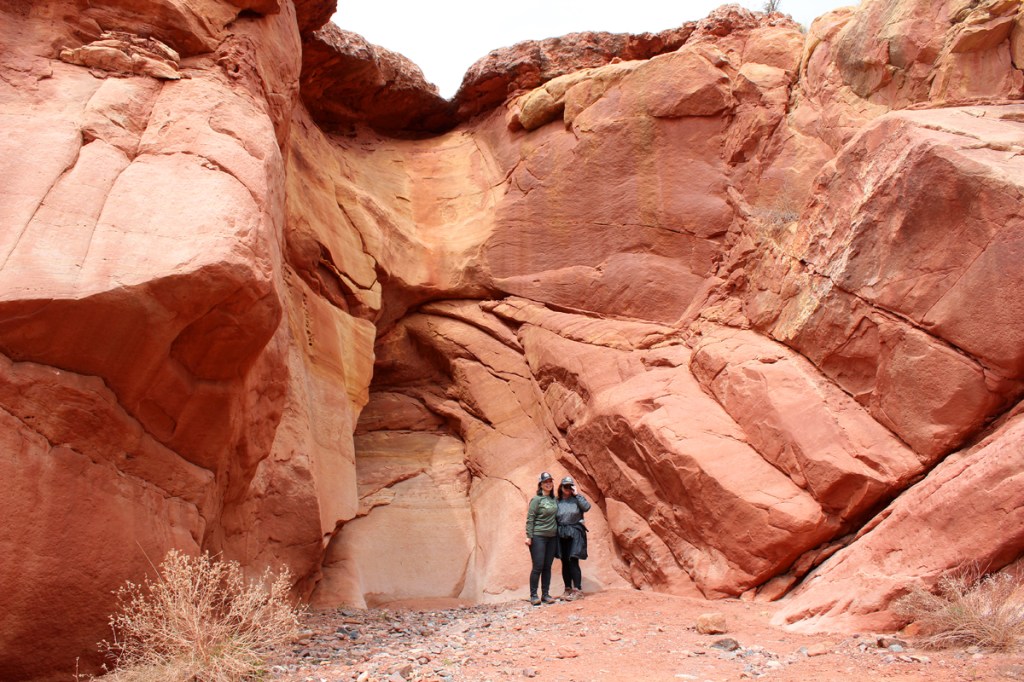
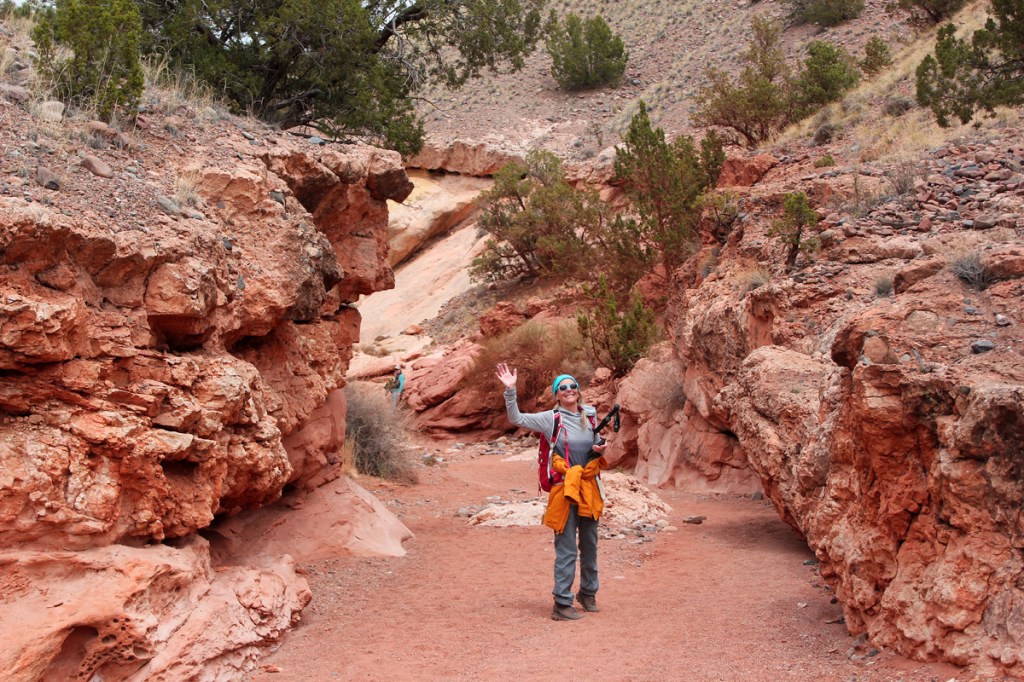
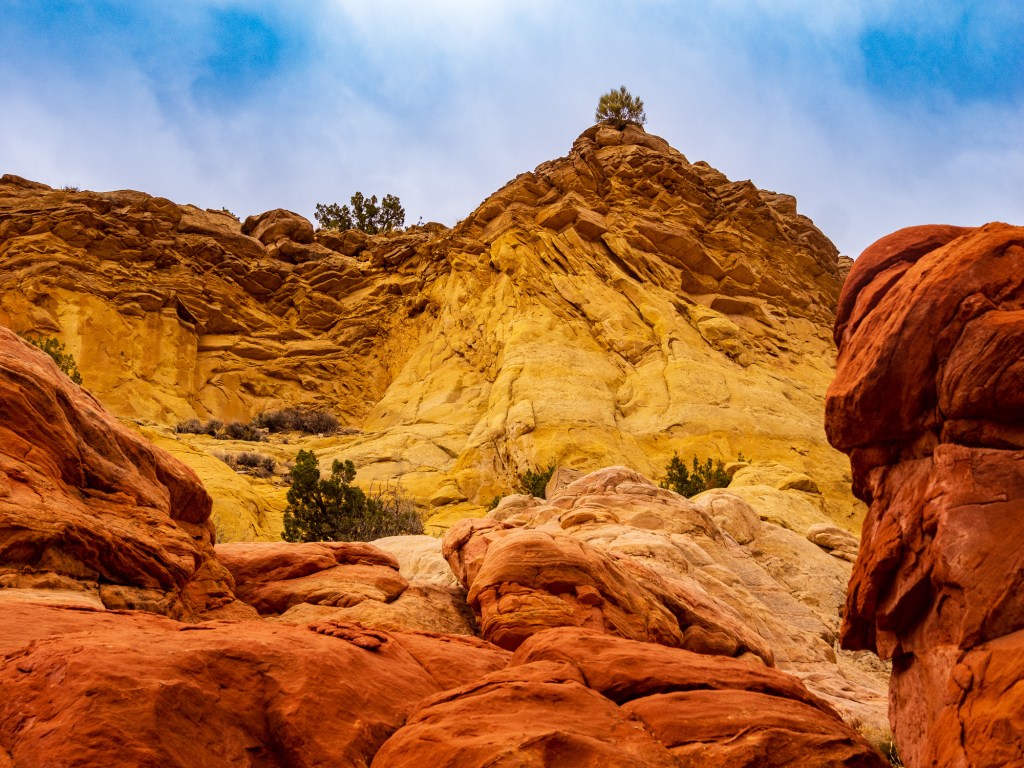
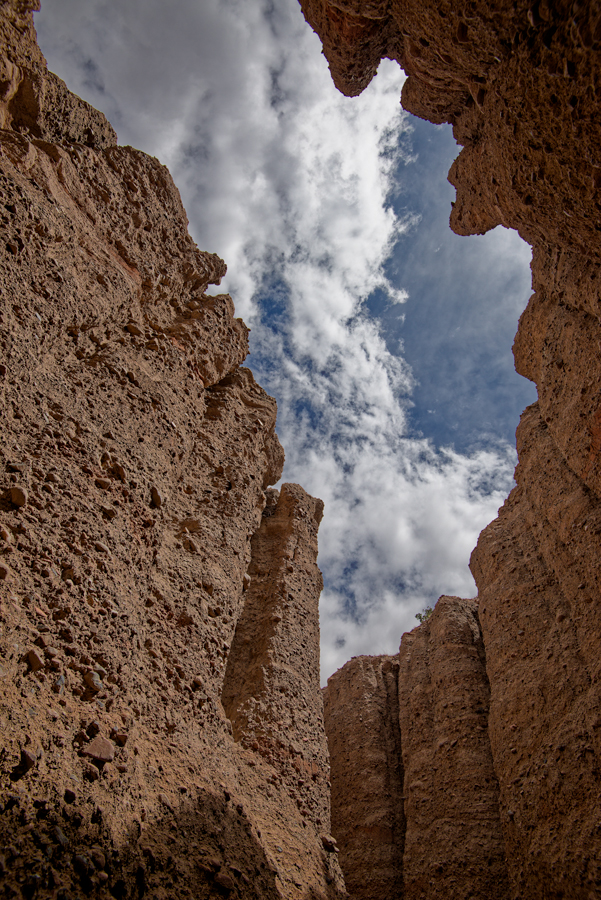
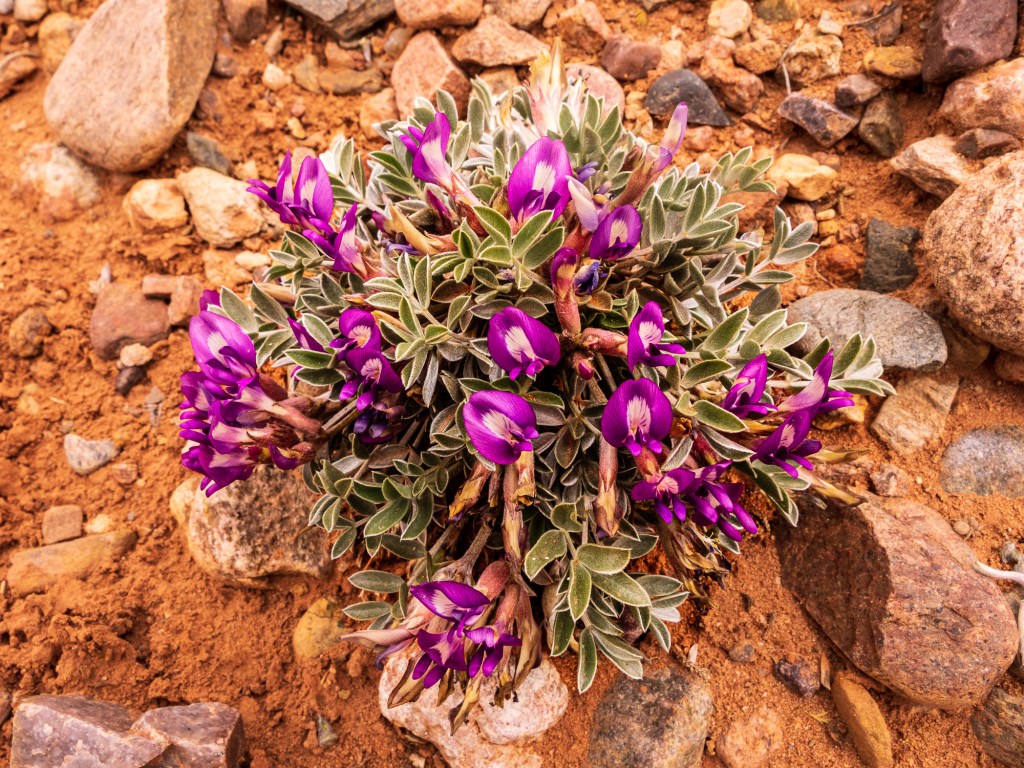
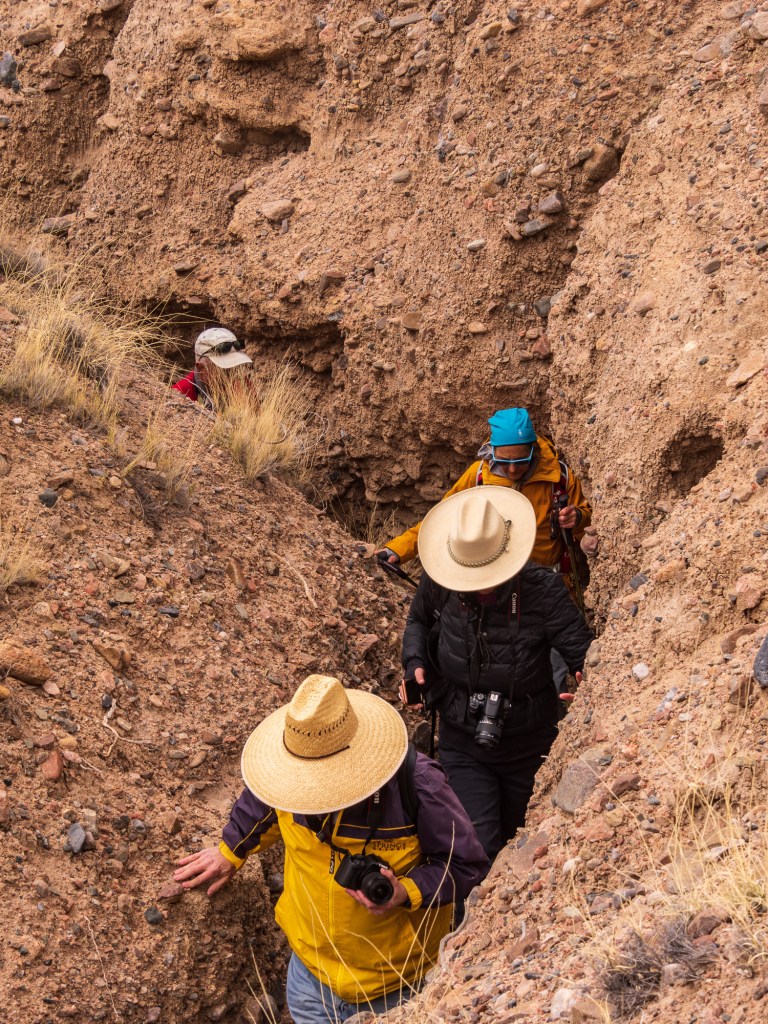
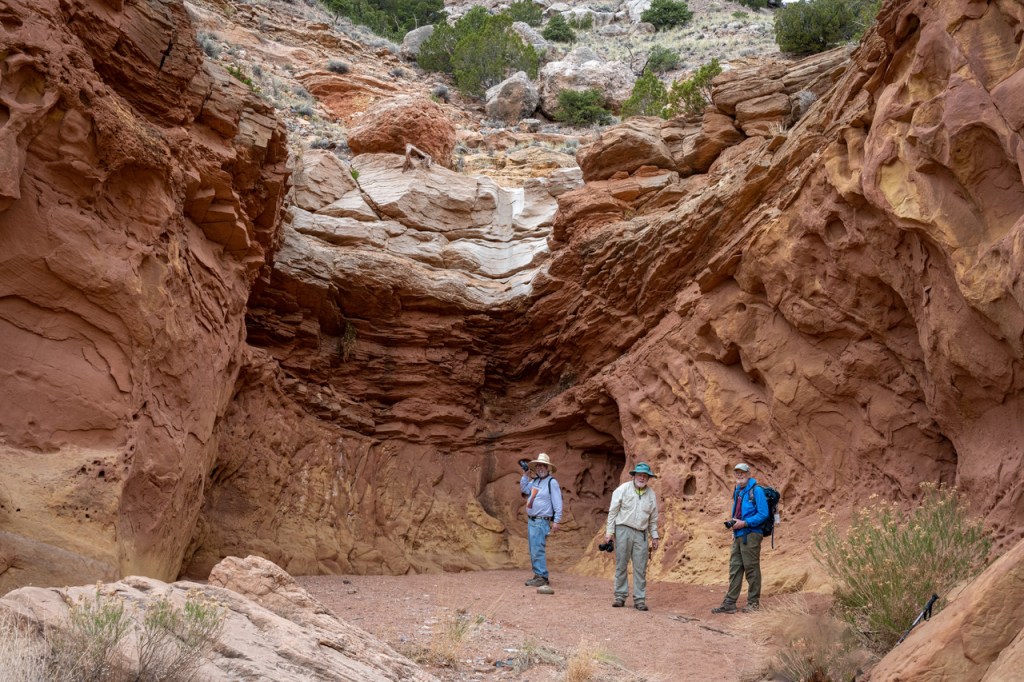
Members of the Photography Club gathered to hike and photograph a picturesque canyon near Abiquiu, New Mexico in late April. Most of us have driven this stretch of Highway 84, between Ghost Ranch and Abiquiu many times. Who would guess that there are dramatic slot canyons hidden in the red rock? Thanks to John Farley for informing us about the area! Below are a few photos from some of the participants, including John Farley, Chris Roebuck, Liz Jamison, Dave Anderson, Andy Butler, David Lenderman and Susanne Russell. Click on an image to enlarge it, and see the photographer and title. Use the arrows on the enlarged images to move between photos.
The May meeting of the Pagosa Springs Photography Club will be held on Wednesday, May 10, 6:00 p.m., at the Community United Methodist Church, 434 Lewis Street in Pagosa Springs. Our topic this month is Photographing Brazil, presented by Pagosa Springs photographer Doug Coombs.
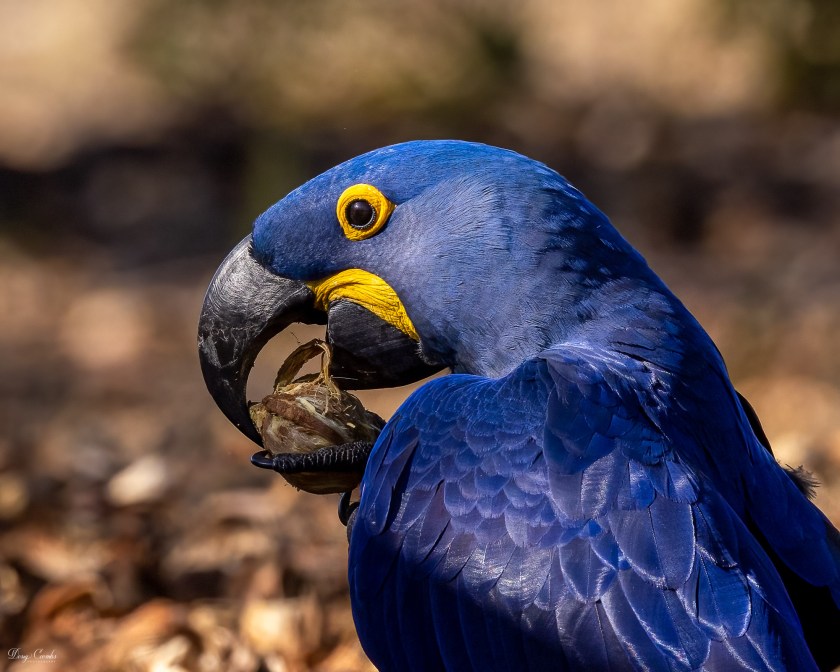
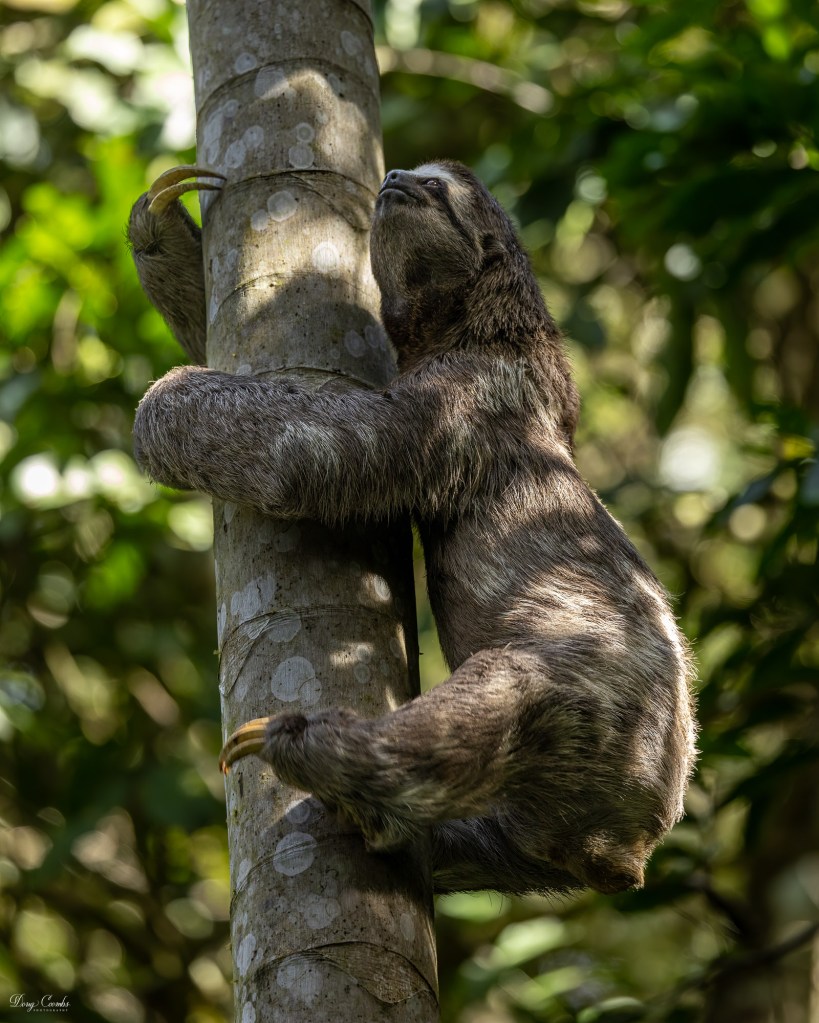
In the summer of 2022 Doug Coombs, his wife Miyuki, and friends from the Los Alamos, New Mexico Photography Club took a 30+ day trip to Brazil to photograph birds, mammals, waterways, indigenous people, and some cityscapes. They visited five different venues including Cristalino Reserve in the southern section of the Brazilian Amazon, Emas National Park, Parnaiba Headwaters National Park, Rio de Janeiro and the Atlantic Rainforest nearby, and a seven night cruise on the Rio Negro and some of its tributaries, which are all tributaries of the Amazon. Doug will share and discuss photos from these sites in his presentation.
Doug Coombs is a Pagosa Springs based photographer specializing in landscapes, birds, and other wildlife. He is also a member of the Pagosa Springs Photography Club. To see more of his images, visit Doug’s website at https://www.dougsview.com .
Our meeting will begin at 6 p.m. with socializing, and the program will begin at 6:30 p.m. This will be a hybrid meeting, also available on Zoom. The Zoom link will be emailed to members; others who wish to attend may request the link by email to abutler@mac.com. Photography Club meetings are open to the public.
The Pagosa Springs Photography Club promotes educational, social and fun interactions between all who enjoy making and viewing great photography. The club sponsors educational programs and photography outings to help members hone their skills. We welcome photographers of all skill levels. Dues for 2023 are just $25 ($35 family). For more information about the club, and to download a membership application, visit our website at https://pagosaspringsphotoclub.org/about/ .













 Pagosa Springs Photography Club