The Pagosa Springs Photography Club will meet on Feb 10, 2021, at 6:30 pm, via Zoom videoconference. Our topic this month is “Lens Filters in the Digital Age”.
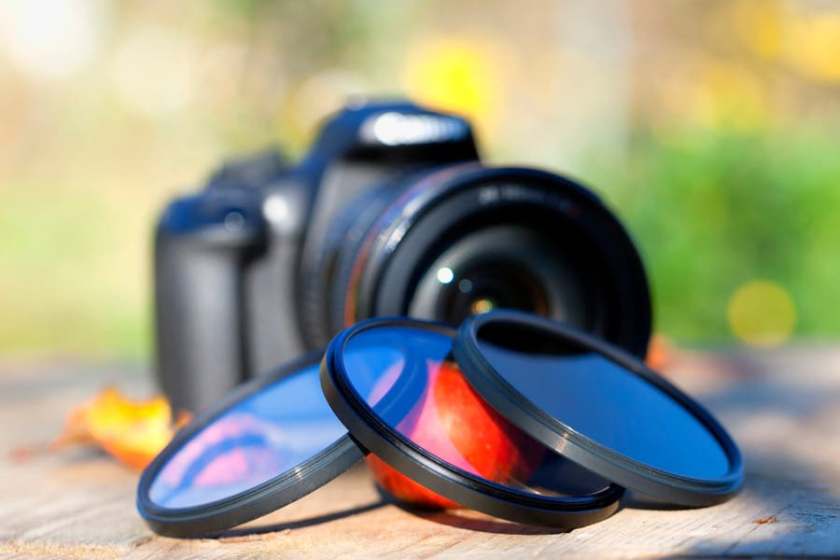
Like wearing sunglasses, putting filters on your camera’s lens can be crucial for taking landscape photos under challenging light conditions. Filters can enhance colors and reduce distracting reflections. They can also protect your lens. For some photographers and videographers, filters may be an essential accessory. For others, they may be of little use, with many of their functions subsumed by the digital darkroom. For many stalwart landscape photographers, using filters to get the best possible image in the field is part of the process and enjoyment of photography. For others, filters may be more of a complication.
So just why would you use lens filters? And when? Which filters are important to have, and which might you skip? How do you choose a good filter? At the February Photography Club meeting, we will address these questions in the presentation “Lens Filters in the Digital Age”.
Club members are encouraged to submit up to five images to share and discuss following the program.
The Photography Club sponsors monthly programs on photographic topics, and field trips to various areas of photographic interest. Longtime photographers and those just starting out are welcome in the Club. Non-members are invited to attend a meeting, and may receive the Zoom link by email to abutler@mac.com. For information on joining the Club, visit our website at https://pagosaspringsphotoclub.org/about/ .
The Pagosa Springs Photography Club will hold it’s first meeting of 2021 on Wednesday, January 13, via Zoom videoconference. Join us at 6:30 p.m. We will have a few Club announcements, followed by a discussion of “Creative Exposure”. In this presentation, Club president Andy Butler will explore how to use your camera’s exposure controls to assist making creative photographic decisions. Learn how to control the look and feel of your photos using aperture, shutter speed and other basic camera controls. Both beginners and enthusiast photographers will likely find the information helpful.
Club members are encouraged to submit up to five images to share and discuss following the program.
The Photography Club sponsors monthly programs on photographic topics, and field trips to various areas of photographic interest. Longtime photographers and those just starting out are welcome in the Club. Club members will receive the Zoom link by email; non-members may request the Zoom link by email to abutler@mac.com. For information on joining the Club, visit our website at https://pagosaspringsphotoclub.org/about/ .
As we move towards the shortest day of the year, it’s a good time to think of night photography. There are a couple of significant events coming up that could be of interest to both photographers and stargazers.
First, the Geminid meteor shower, one of the most reliable meteor showers of the year, will reach it’s peak on the night of Dec. 13-14. With the new moon on Dec 14, skies should be dark enough to see quite a few meteors. However, you should be able to see meteors any night beginning this weekend (Dec. 4).The Geminids appear to radiate from the constellation Gemini, which conveniently is above the horizon before midnight in December. The maximum activity should be after midnight in the early morning of December 14, with up to 75 meteors per hour visible. The Geminids are one of only a couple of major showers derived from an asteroid, 3200 Phaeton, rather than a comet. Look to the east for this shower.
For best viewing of the Geminids or other meteor showers, find a relatively dark site. If you want to photograph a meteor shower, there are a few things to keep in mind. First, the number of meteors “visible” includes the entire sky, while even a very wide-angle lens is not likely to cover more than 1/3 of the night sky. So you are unlikely to capture more than one shooting star even in a minute-long exposure. Second, if you want to keep the stars as points of light, rather than streaks, you will need to limit your exposure time. A rule of thumb is to limit exposure times to 500 divided by your lens focal length (in full-frame equivalent). So, if you have a 16 mm lens (full frame) then 500/16 is roughly 30 seconds. If you think you will be making large prints from your photos, you should be more conservative, maybe using 20 seconds in this example. A good starting point is to set your aperture to f/2.8, shutter speed 30 seconds, and ISO 6400; basically the same as you would use for Milky Way photos. To increase your chances of getting one or more photos that contain a shooting star, set up your camera to automatically take these 30 second exposures for several hours during the night. To do this, either use your camera’s built in intervalometer, or an external cable release with intervalometer. If you have chosen an interesting foreground subject in the landscape (you should!), it would be good to either take a longer exposure of it, or to take a separate photo of the landscape using light-painting or low level lighting. Back home, check all the photos to find the ones with meteors streaking through the sky. For a dramatic image, you can composite these with your landscape image using Photoshop or another editor. For a very thorough discussion of photographing and processing meteor showers, see: https://www.photopills.com/articles/meteor-shower-photography-guide
Another event coming up will be a Great Conjunction of Jupiter and Saturn on Dec. 21. Jupiter and Saturn have been appearing closer and closer to one another this fall. Shortly after sunset, around 5:24 PM on the Dec. 21, these gas giants will be visible about 17° above the horizon in the Southwest. They will be within 0.1° of each other, or about 1/5 the apparent diameter of the moon. This is considered to be a “Great Conjunction”, as it happens only about once every 20 years. And in 2020 these planets will appear closer together than they have for about 800 years. The best viewing will be just at the end of civil twilight, so lighting should be good. You can observe these planets near one another on any clear night in December, as they appear closer and closer. In fact, a few days before the conjunction, on December 16 or 17, you should also be able to see the new Moon very close to the two planets. For information, and some inspirational photos, see https://earthsky.org/todays-image/jupiter-saturn-photos-drawing-closer-conjunction-dec21-2020 .
The November 11 meeting of the Pagosa Springs Photography Club will be held on-line via Zoom videoconferencing, beginning at 6:30 PM. Our speaker this month will be Mark Langford. Mark is a graduate of the Brooks Photography Institute, and has been a commercial photographer with his own business for over thirty years. In addition, he has photographed several books about the San Antonio, Texas area. Mark now resides in Pagosa Springs.
Mark’s presentation will be Photography…One lifelong field trip. Join commercial photographer Mark Langford as he reflects on an exciting career capturing a wide range of subjects from his early years in high school through today. From people to buildings and food products, to coffee table books, fine art, and more. Come and relive Mark’s never-ending journey in photography – up close and in person.
This will be a virtual meeting, live on-line, using Zoom video-conferencing. Club members will receive the link for joining the Zoom session by email. If you are new to Zoom and have not yet downloaded it to your computer/tablet/phone, visit the Zoom download page, https://zoom.us/download , to do so. It’s really easy to use. For most of you, all you will need to do is click the “Link to join Zoom meeting”. Non Club members who are interested in taking part may contact Club president Andy Butler for information, at abutler@mac.com.
Following Mark’s presentation, we will have our monthly image share. Club members may submit up to five photos to share and discuss. Please email your images for sharing, in JPG format, to abutler@mac.com , no later than November 10. For Zooming, an image size of 2000 tall by 3000 pixels wide, or more, is desirable.
The Pagosa Springs Photography Club held its Third Annual Digital Photography Awards presentation on October 14, by videoconference. Winners of the competition were announced during the presentation. The contest received entries from 21 Photography Club members in four categories: Landscape, People, Creative, and Nature. In total, 112 photos were entered. The images in each category were judged by two professional photographers on the basis of composition, impact and technical quality. In addition, this year the images were also voted on by Club members to determine “People’s Choice” images.
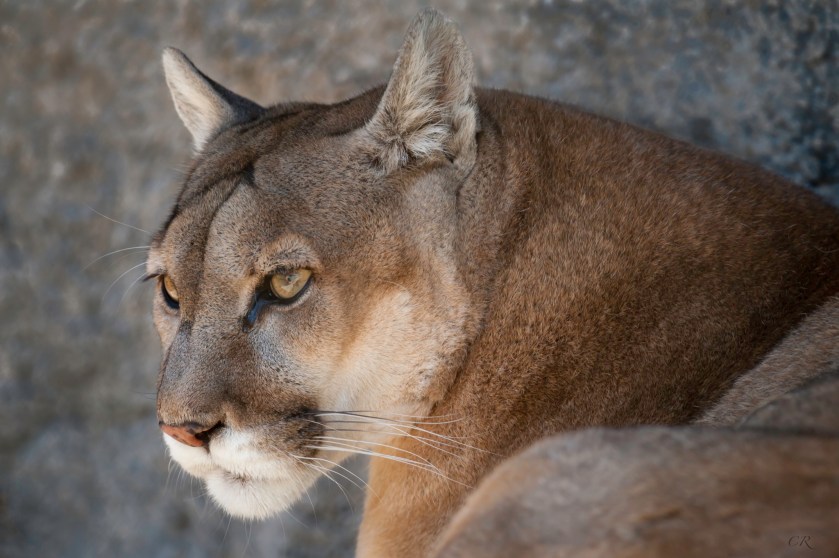
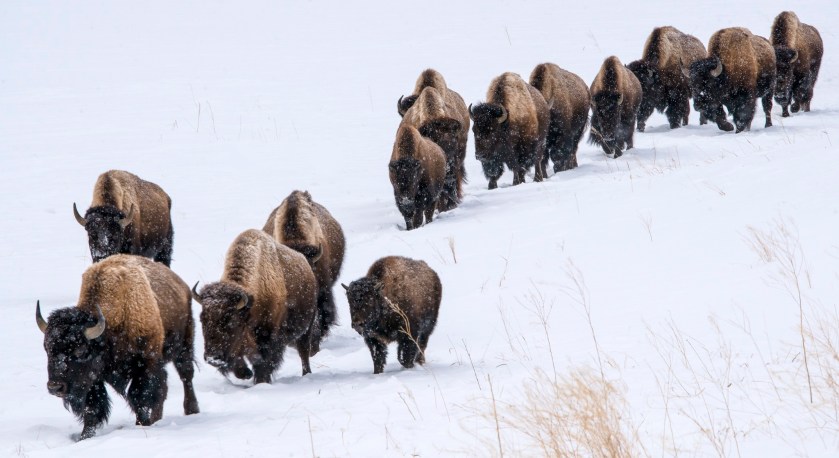
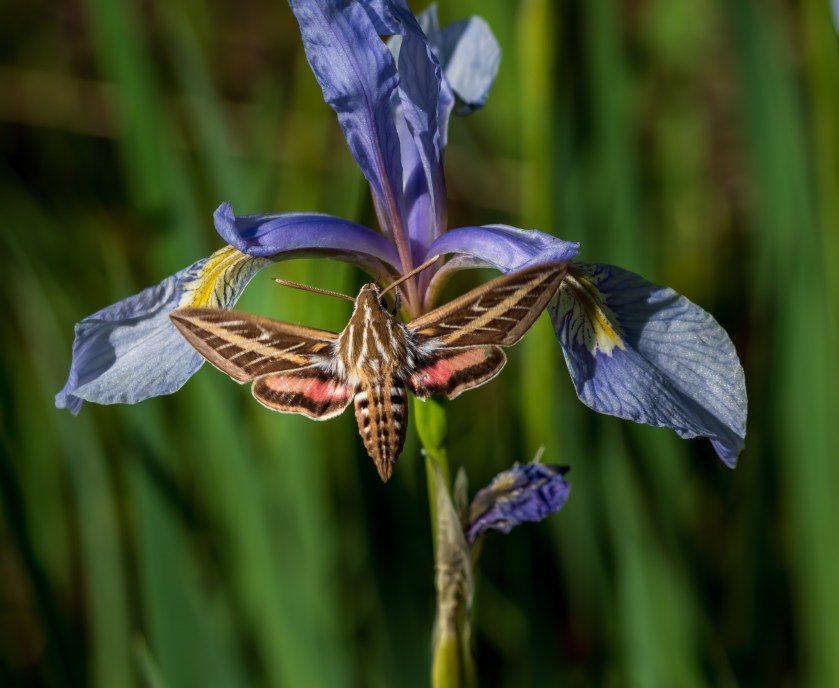
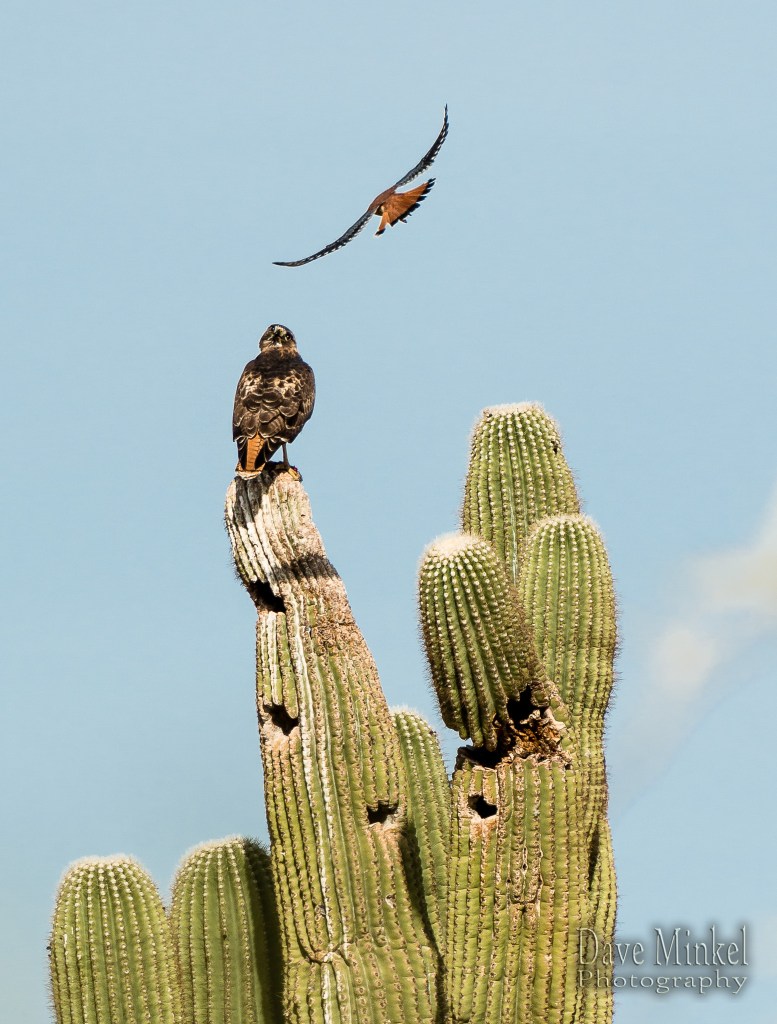
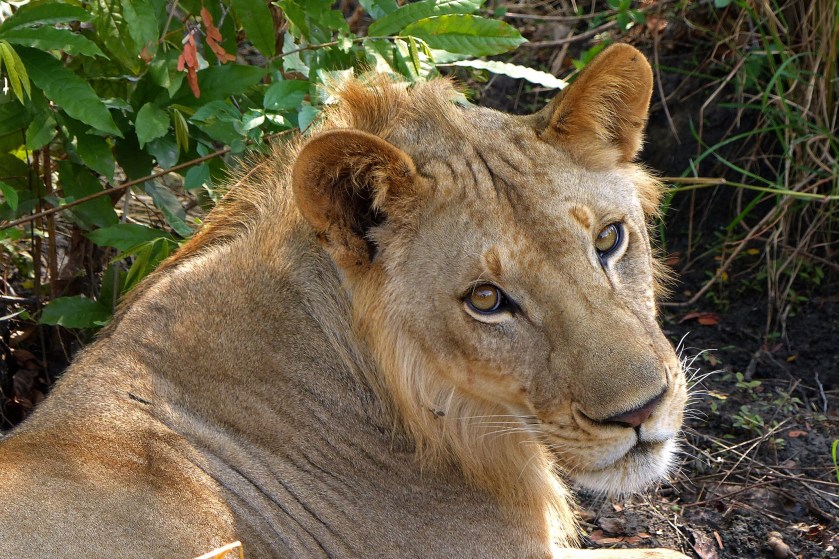
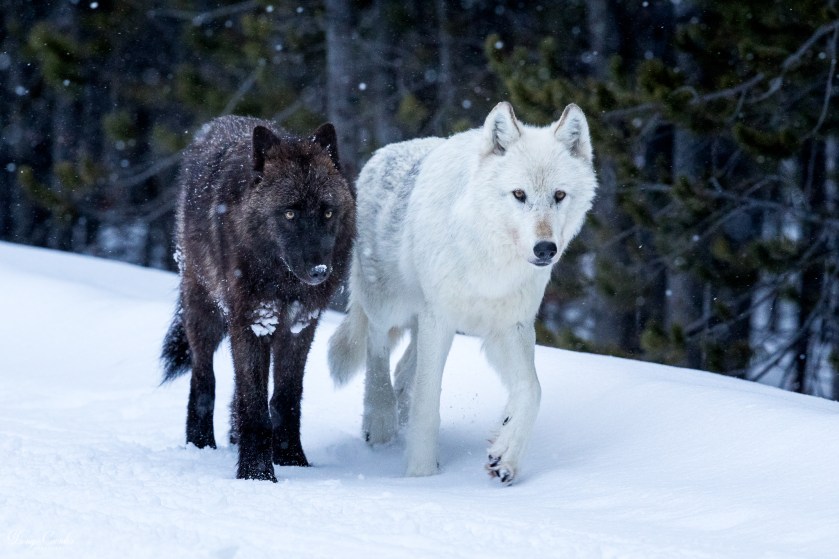
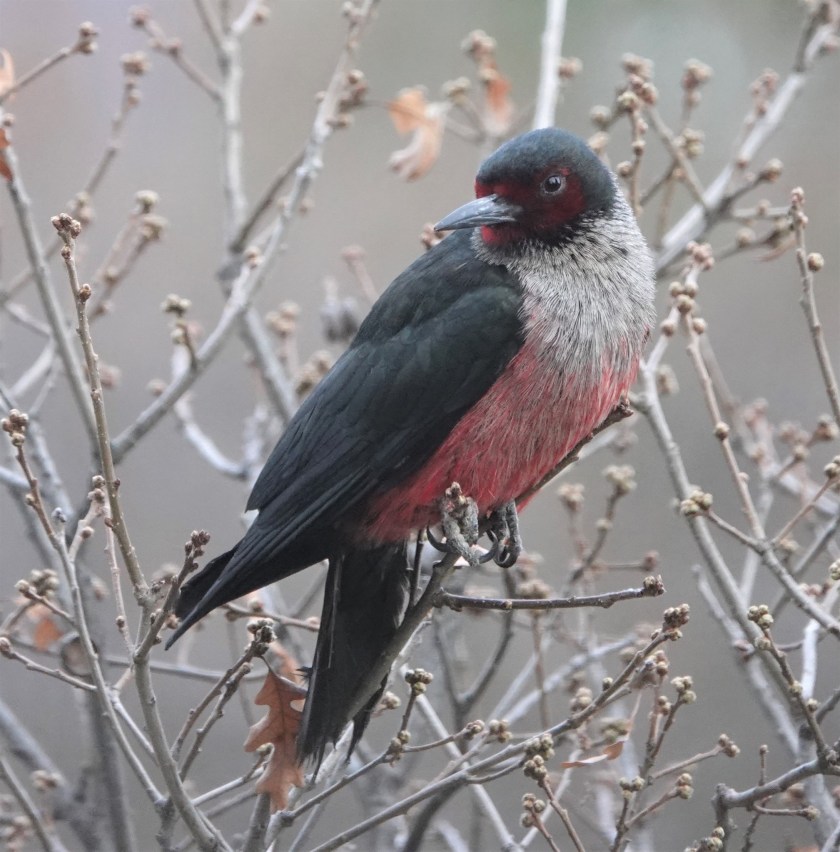
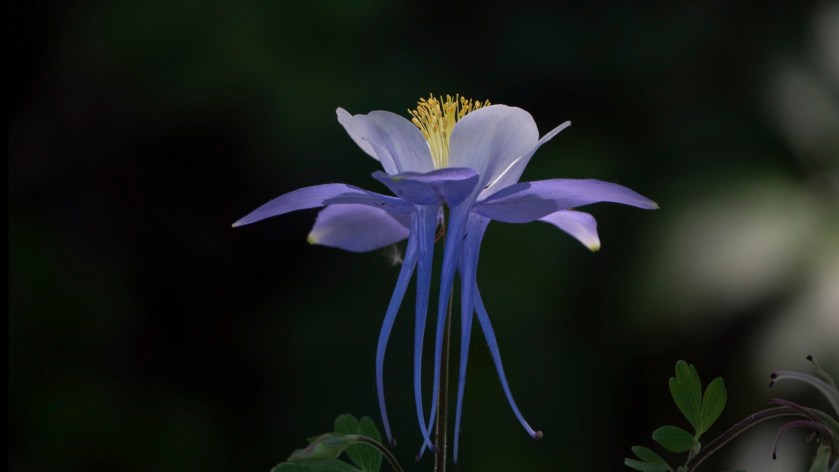
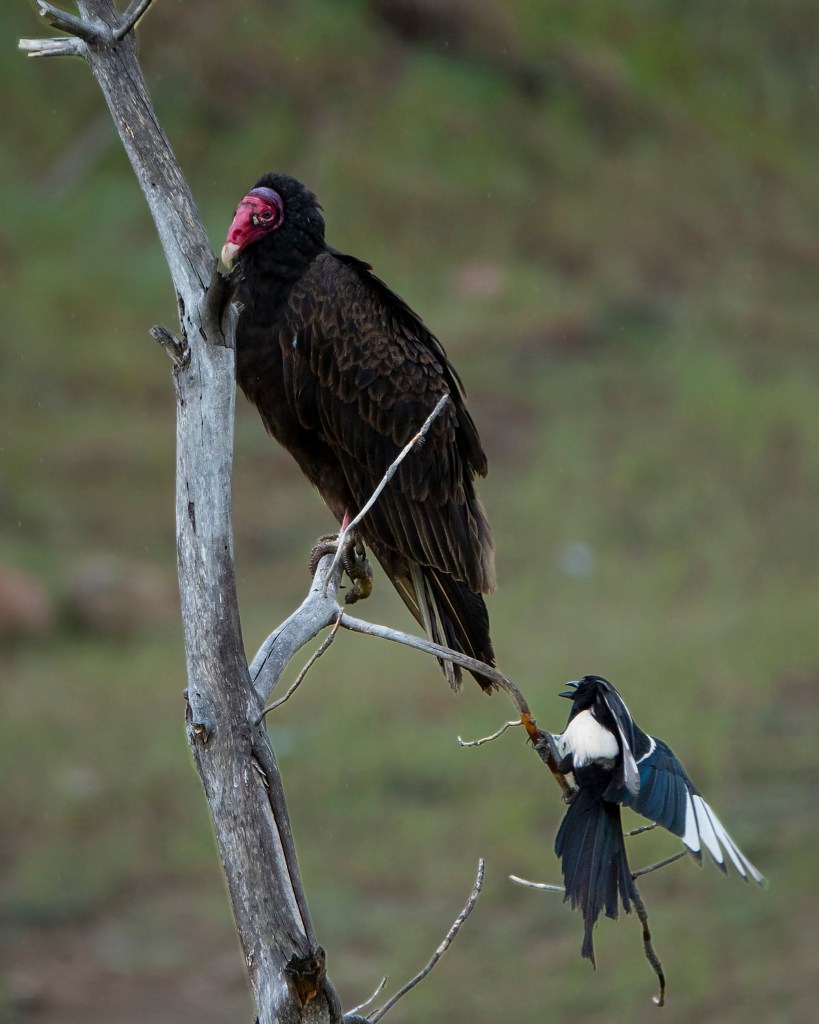
In the Nature category, winners were Chris Roebuck, for his photo “Cougar”.Dave Anderson received 2nd place for “Migration”, and Andy Butler’s photo “Sphinx Moth” was third. With many outstanding photos in this category, there were a number of Honorable Mention’s; images that scored very close to the top three. These included Lion, by Dean Dussell; Alpha Pair, by Doug Coombs, Full House, and Grasshopper, by Kathie Disner; The Stalker, by Linda Pampinella; Lewis Woodpecker, by Liz Jamison; Colorado Columbine and Size Matters, by Darryl Saffer; and Bittern Showing of His Socks and Hummingbird’s Break Time, by Diane Cirksena. People’s Choice awards for the Nature category were Dave Anderson, 1st for Migration, Darryl Saffer, 2nd for “Colorado Columbine”, and 3rd to Linda Pampinella for “the Stalker”.
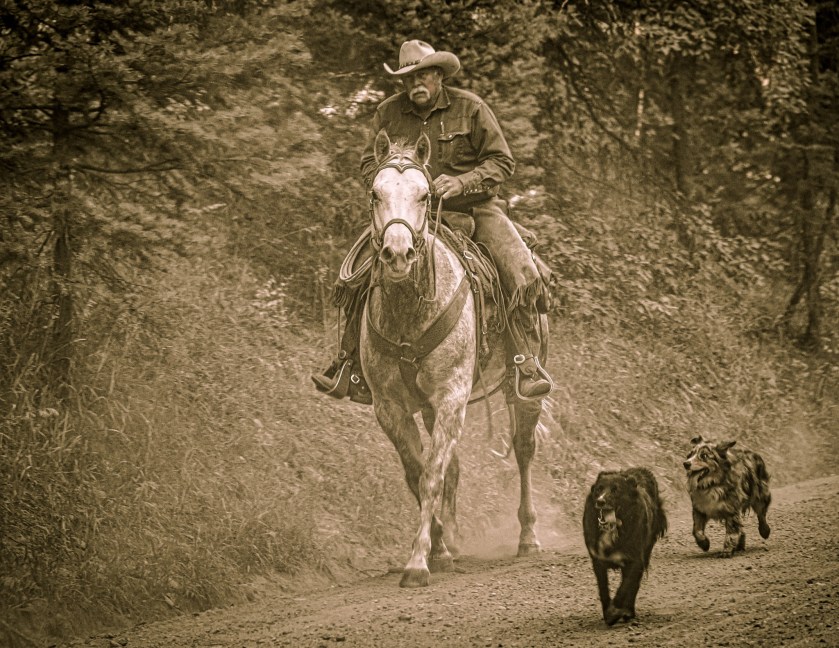
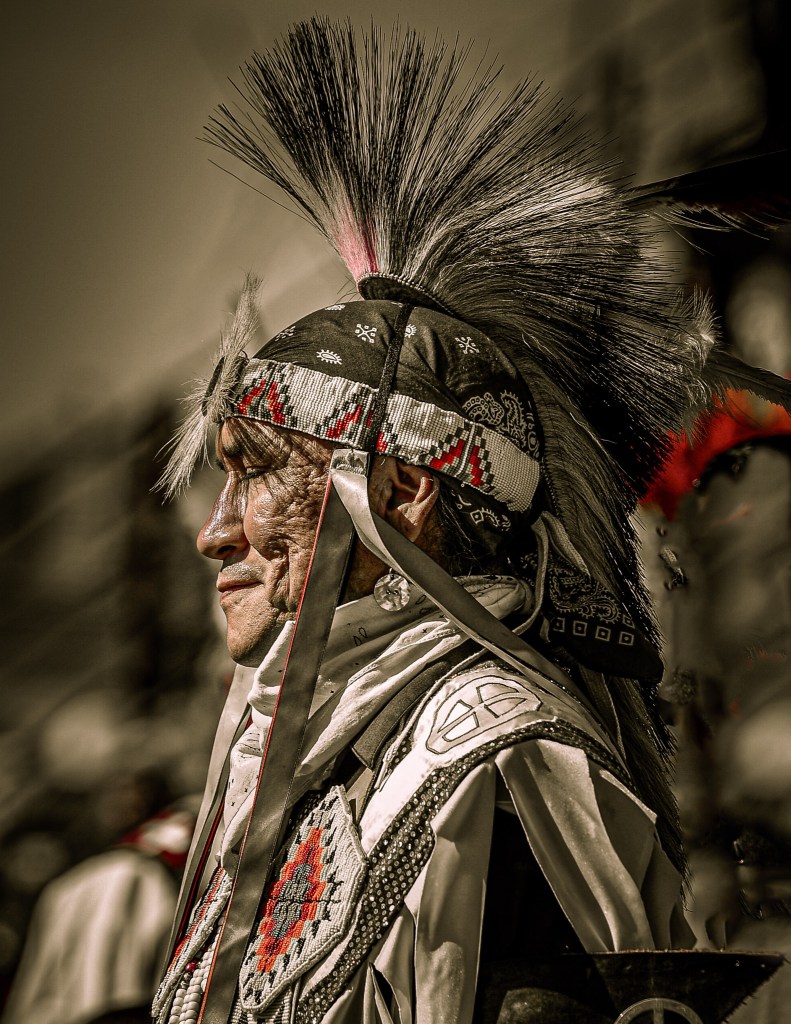
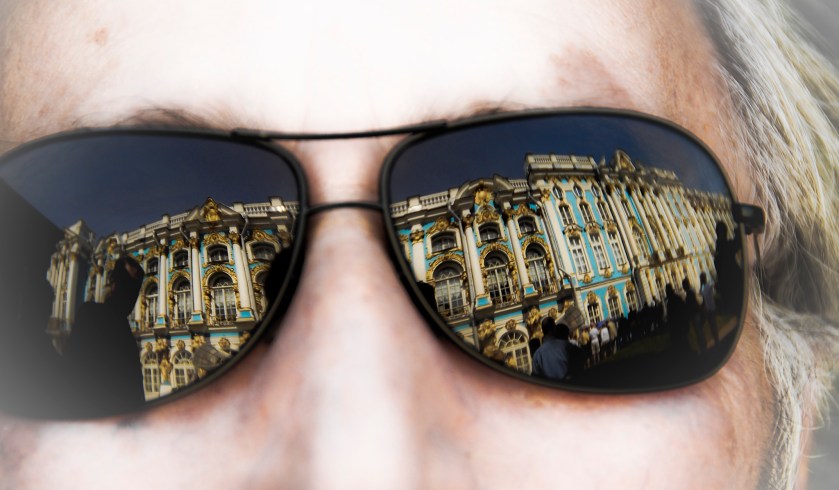
The winning image in the People category was Fred Guthrie’s “Working Cowboy.” Guthrie also received 2nd place for “Native Portrait”. Third place was awarded to Lorie Butts, for “Gym Brat”. Honorable Mention went to Dean Dussell for Masai #1 and to Linda Pampinella for Shades of Peterhoff. Guthrie’s two images tied for first in the People’s Choice voting as well. The third place People’s Choice image was Dean Dussell’s “Masai #1”.
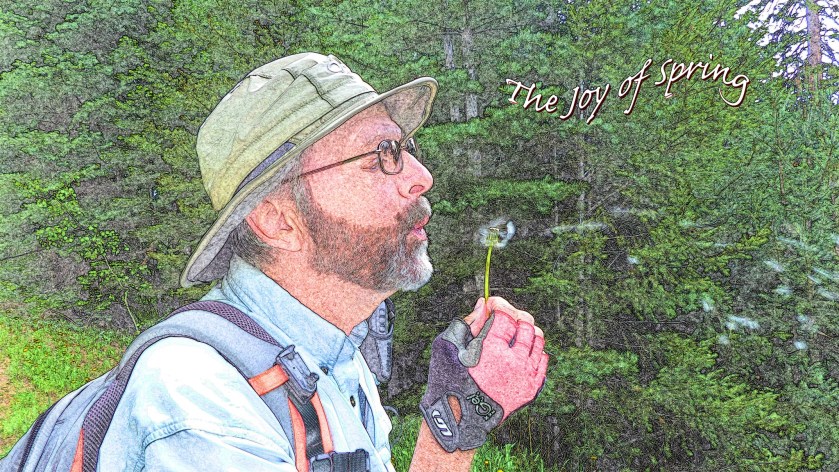
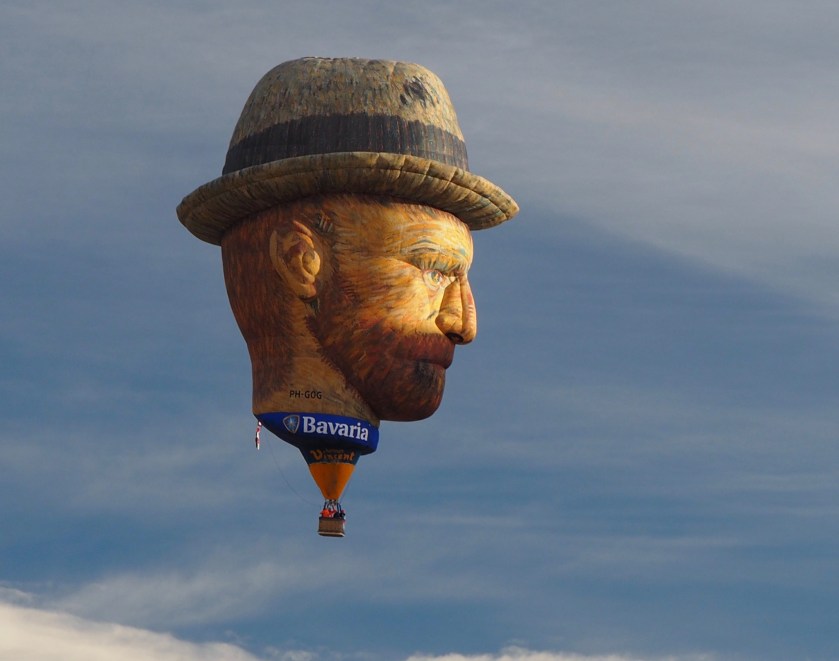
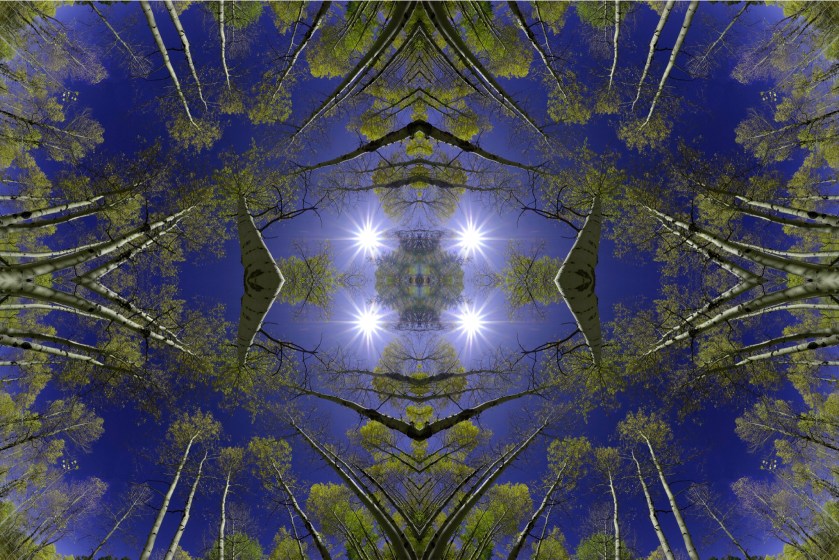
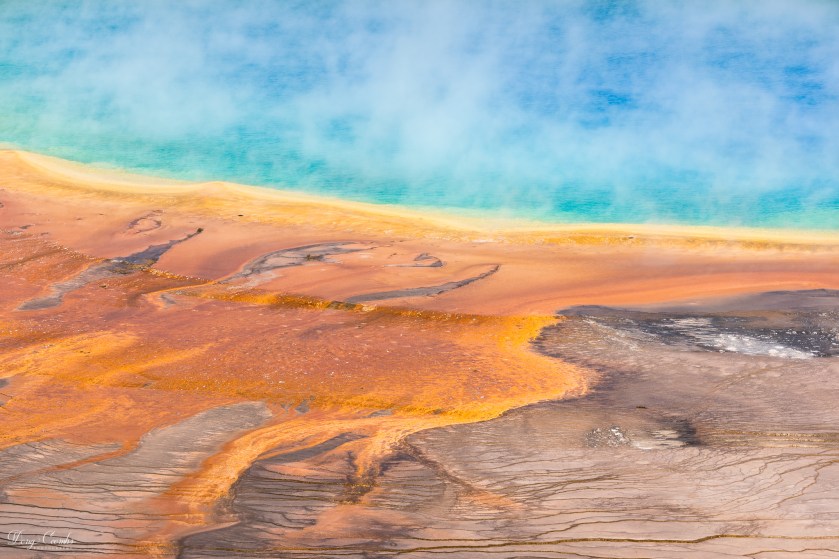
Among the images in the Creative category, the judges’ selections were “Medusa on the Ridge”, by Andy Butler, in 1st place, “Stonehead” by Fred Guthrie, 2nd, and “Spring”, by Dean Dussell in third. Honorable Mention was awarded to Dave Anderson, “Aspen Grove”; Doug Coombs, “Grand Prismatic”, and Gregg Heid, “Bavaria”. This category’s People’s Choice awards went to Bill Milner, 1st for “Crater Lake”, Fred Guthrie, 2nd for “Stonehead” and Dave Anderson, 3rd for “Cold Dinner”.
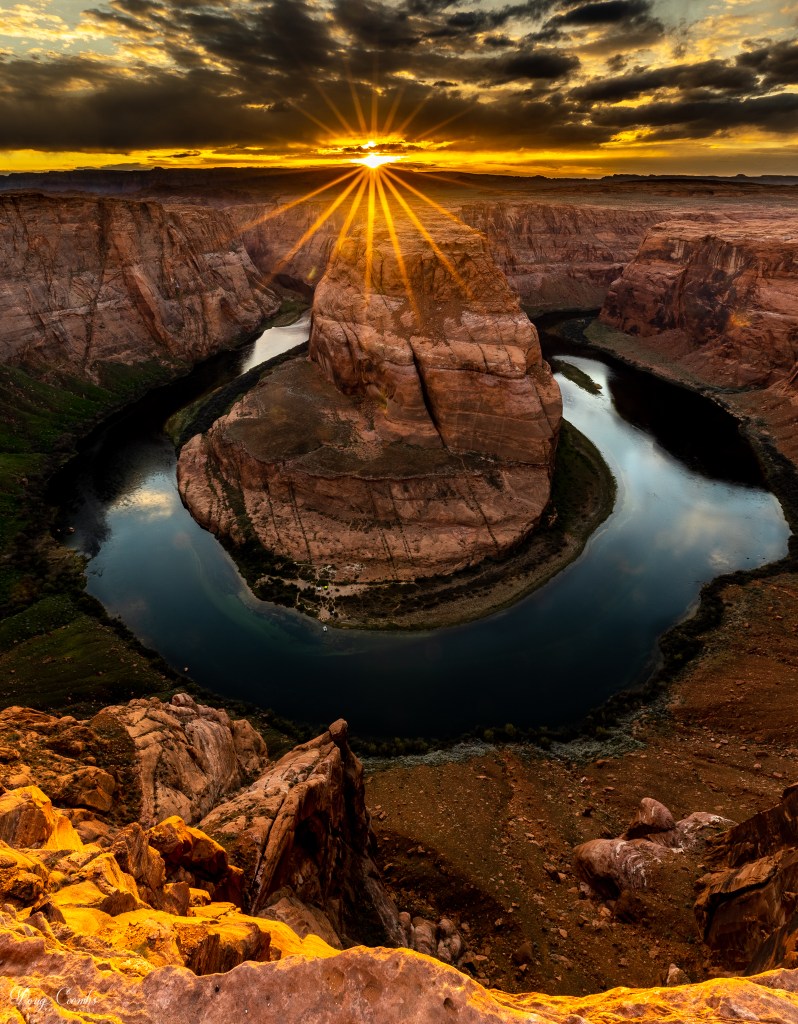
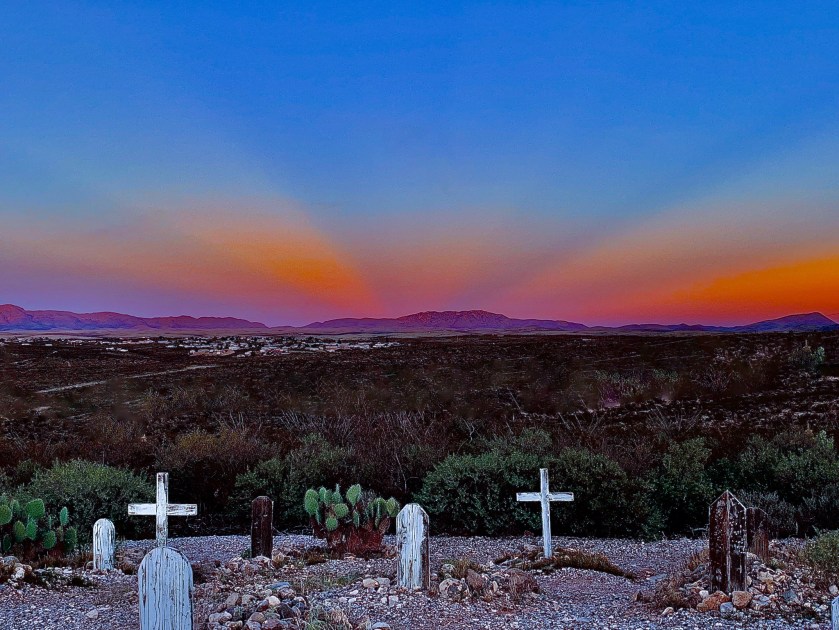
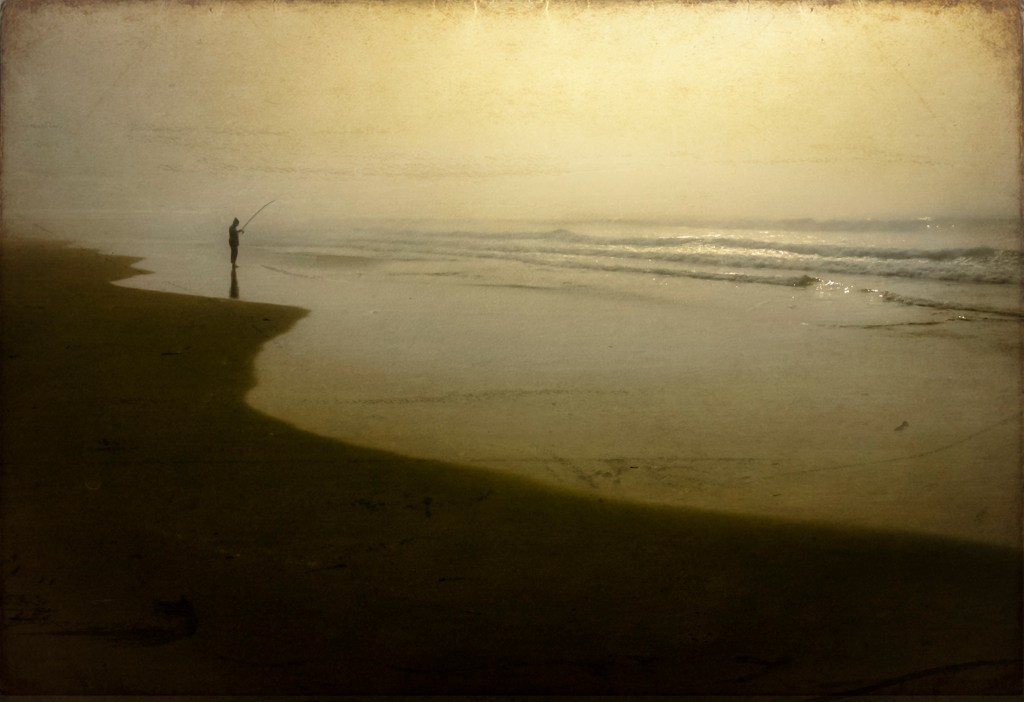
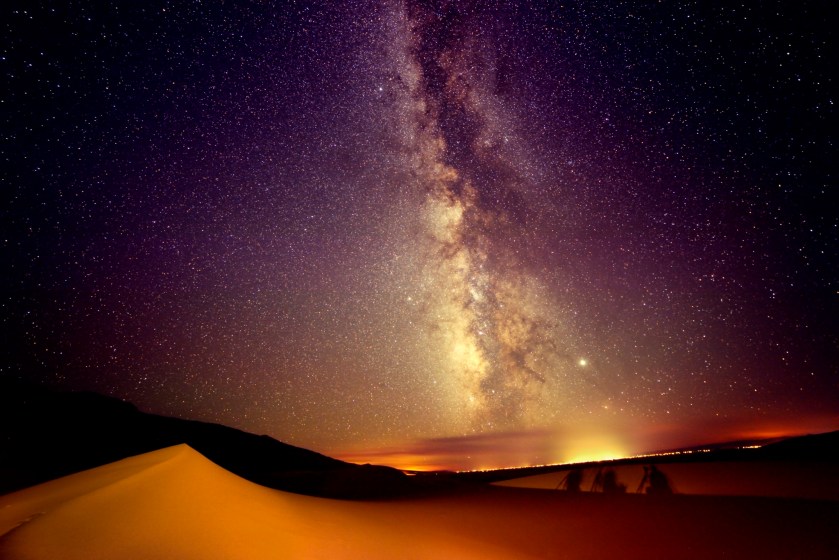
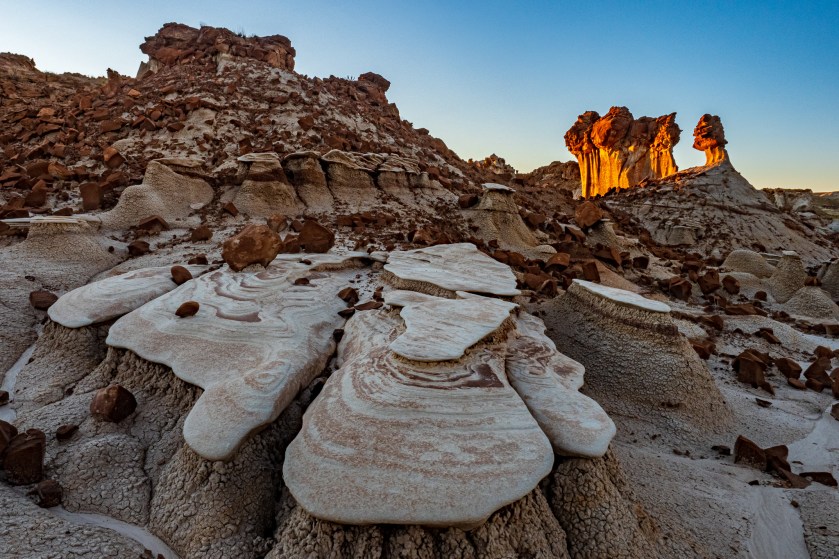
In the Landscape category, the number one image was Doug Coombs’ “Horseshoe Bend.” Second place went to Fred Guthrie for “Escape from Alcatraz” and 3rd place was “Tombstone Sunset” by Lorie Butts. The top People’s Choice vote also went to “Horseshoe Bend”, with Dave Anderson in 2nd place for “Photographing the Milky Way”. Honorable Mention images were “Silent Roar of the Ocean”, Linda Pampinella; “Photographing the Milky Way”, Dave Anderson; “Sunset at Morel Hoodoos” and “Red Rock Twilight”, Andy Butler. The People’s Choice voting resulted in a three way tie for 3rd place, between Dave Minkel for “Fire River”, Dean Dussell for “Thermal Pools” and Andy Butler for “Sunset at Morel Hoodoos”. Congratulations to all the winners, and thanks to everyone who took part in this year’s contest!
The Pagosa Springs Photography Club will meet virtually, via Zoom videoconferencing, on September 9 at 6:15 PM, Mountain Daylight Time. This month’s presentation will be by Andy Butler, and the topic will be “Using Digital Apps to plan and visualize landscape photos”.
In landscape photography, the photographer often wants to create an image of a photogenic subject under dramatic light, such as sunrise or sunset; moonrise or moonset. While there are many websites and programs that can provide the times and compass bearing for sunrises and sunsets, there are a few that go beyond this in ways that are very helpful to photographers when planning.In this presentation, three apps will be discussed and demonstrated: The Photographer’s Ephemeris, PhotoPills, and Sun Surveyor.
These apps are useful in multiple ways. At home, you can place a pin on a map anywhere in the world, on any desired date, to view how the sun, moon and Milky Way will move throughout the day. You can search for specific events, such as when during the year the sun will rise over Square Top, as observed from a specific point.In the field, the apps have Augmented Reality features, which allow you to visualize the path of the sun, moon and Milky Way as they move through the sky, against an image of the landscape through your smart phone’s camera.
Following the program, we will have our usual image share. Club members may submit up to five photos to share. Please email your images for sharing, by September 8, to abutler@mac.com . For Zooming, a larger image size is desirable, 2000 tall by 3000 pixels wide or more.
Club members will receive the link for joining the Zoom session by email. If you are new to Zoom and have not yet downloaded it to your computer/tablet/phone, visit the Zoom download page, https://zoom.us/download , to do so. It’s really easy to use. For most of you, all you will need to do is click the “Link to join Zoom meeting”.









 Pagosa Springs Photography Club