The May meeting of the Pagosa Springs Photography Club will be held on Wednesday, May 10, 6:00 p.m., at the Community United Methodist Church, 434 Lewis Street in Pagosa Springs. Our topic this month is Photographing Brazil, presented by Pagosa Springs photographer Doug Coombs.
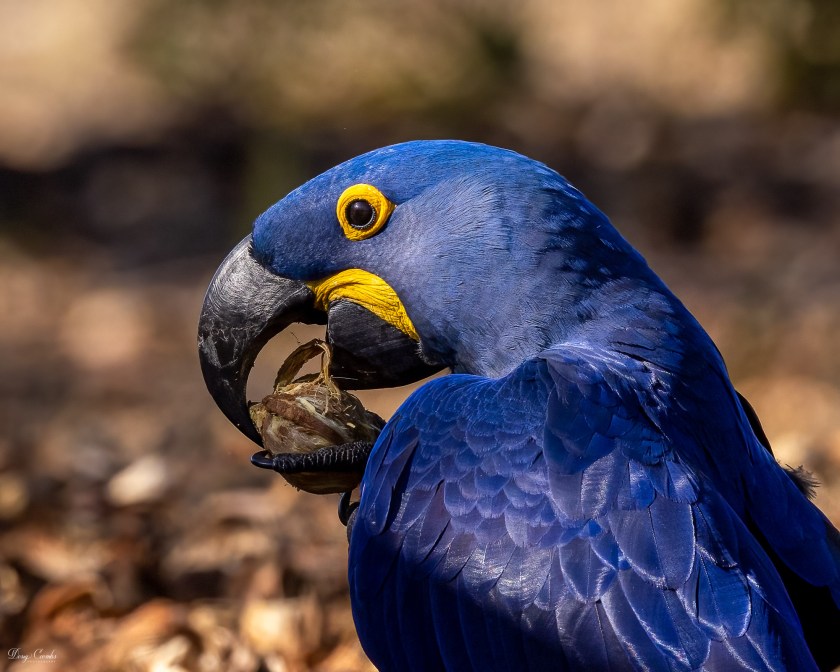
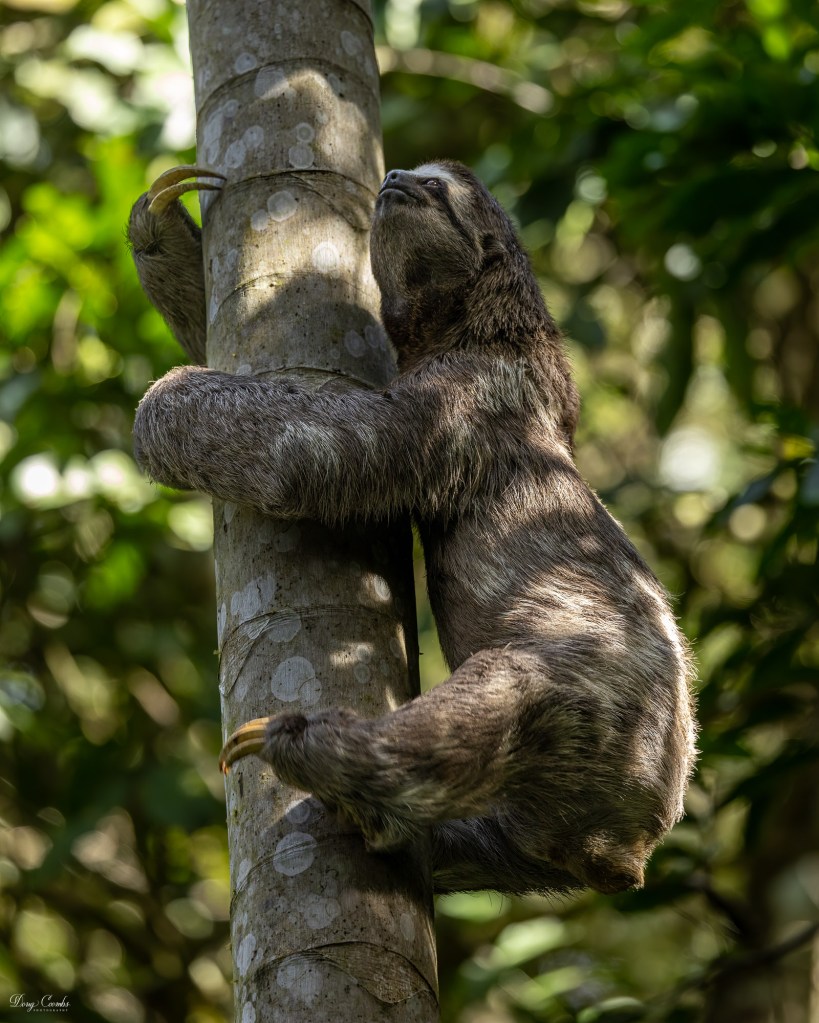
In the summer of 2022 Doug Coombs, his wife Miyuki, and friends from the Los Alamos, New Mexico Photography Club took a 30+ day trip to Brazil to photograph birds, mammals, waterways, indigenous people, and some cityscapes. They visited five different venues including Cristalino Reserve in the southern section of the Brazilian Amazon, Emas National Park, Parnaiba Headwaters National Park, Rio de Janeiro and the Atlantic Rainforest nearby, and a seven night cruise on the Rio Negro and some of its tributaries, which are all tributaries of the Amazon. Doug will share and discuss photos from these sites in his presentation.
Doug Coombs is a Pagosa Springs based photographer specializing in landscapes, birds, and other wildlife. He is also a member of the Pagosa Springs Photography Club. To see more of his images, visit Doug’s website at https://www.dougsview.com .
Our meeting will begin at 6 p.m. with socializing, and the program will begin at 6:30 p.m. This will be a hybrid meeting, also available on Zoom. The Zoom link will be emailed to members; others who wish to attend may request the link by email to abutler@mac.com. Photography Club meetings are open to the public.
The Pagosa Springs Photography Club promotes educational, social and fun interactions between all who enjoy making and viewing great photography. The club sponsors educational programs and photography outings to help members hone their skills. We welcome photographers of all skill levels. Dues for 2023 are just $25 ($35 family). For more information about the club, and to download a membership application, visit our website at https://pagosaspringsphotoclub.org/about/ .
Now that MagnaChrome offers cutting metal prints at a reasonable cost (for the intensive work it requires), It’s time to leave behind the idea that a photograph print must be displayed by a rectangle or square. In the new reality, where the LED wall screen will be the new frame of choice for photographs, one-off photograph prints will have to be something special. That is, a photograph will have to offer something more than a rectangle or square frame to reach a decorative value that surpasses an LED wall screen. Keep in mind that wooden rectangle or square frames are not enough for one-offs, because such treatment can also be given to a LED (i.e., a wooden frame around it). You need something innovative.
Cutting your metal prints into shapes that don’t conform with the traditional rectangle-square is one solution to the problem. That might work for many photographs, but not all. Many photographs will require additional treatment, such as innovative new frames or materials that do not conform to the shape of rectangles or squares.
It’s beyond the scope of this article to discuss what innovative new frames and materials might go well with metal prints. Nonetheless, it’s appropriate to briefly discuss why rectangle-square frames have enjoyed such a long tradition.
First, a traditional frame is easy and inexpensive over which to stretch canvas thus traditionally catering to painters. Second, a wooden frame is easier and less expensive to make than a frame that does not conform to such a format. Third, everybody else is doing it.
That everybody else is doing it will not count for much in the great age of innovation. There is a call for artists to think outside the frame. Much of the history of art in the last 150 years has been the disintegration of prior art forms that artists have used for centuries. Now, we have a new vehicle, which lends itself to making odd shapes and to integrating with other materials such as wood, metal, or glass. And that innovation is metal prints. They are much more versatile than anything that has come before, and they look great too. So, let’s get back to easy and inexpensive cutting. There are five types of cutting, which make sense. The first is cutting away portions of a mental print (a photograph) that one doesn’t want in the picture. This leaves you out of control of the final product, as the resulting shape will be random. But will it be usual to see in a gallery or museum a lot of random-shaped metal prints someday? Perhaps.
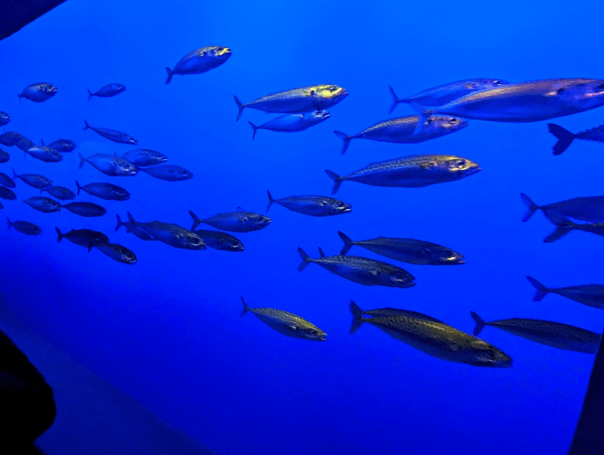
Original
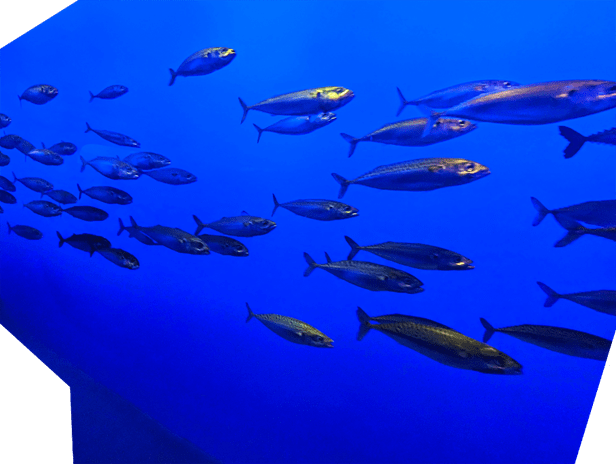
Black parts cut out (random shape)
The second type of cutting is a purposeful cut. One that purposely cuts away part of a metal print to achieve a particular shape that coordinates with the photograph. This can is much more orderly and less random. The purpose is to achieve a photograph that makes sense together with its purposeful shape.
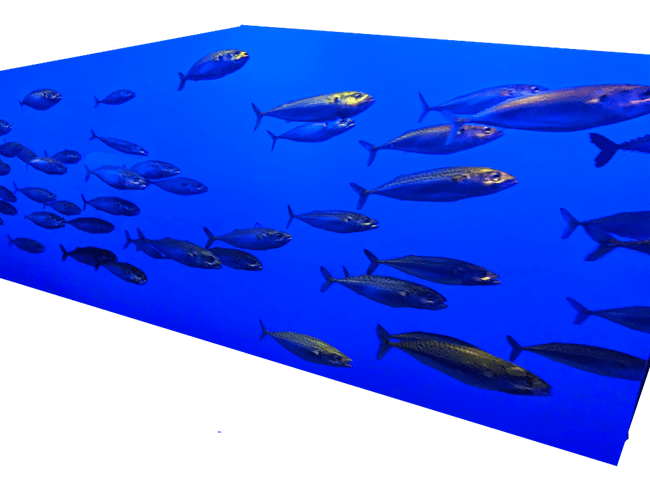
Purposeful cutout
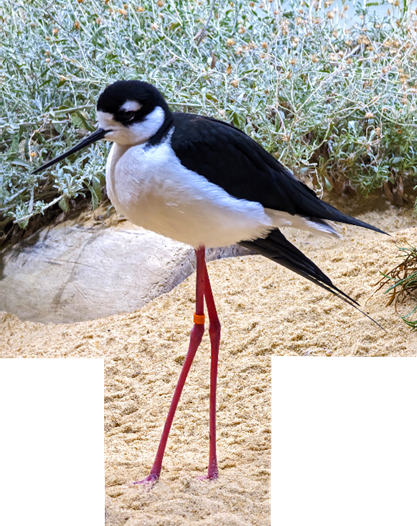
Third, one type of cutting is the silhouette. You simply cut away all of a photograph except for the subject. For instance, for a bird, one might cut away the entire photograph except for the bird itself, leaving a metal print that’s the silhouette of the bird. If any type of cutting can be said to be common already, this is the technique.
A fourth approach, which promises much potential, is to determine the shape of the picture first. Then find photographs or take photographs that fit well inside the non-traditional shape. Although Photoshop (or similar software) enables you to do this easily, the actual creative thinking behind this approach can be very complex, difficult, and likely time-consuming.
But it will be a part of the new photography. Artists will pay particular attention to shapes they can use that have an aesthetic value of their own, or at least provide an aesthetic complement for a photograph.
A predetermined shape
Two predetermined shapes makea nice combination
The fifth application is the collage. You can assemble a number of photographs into one metal print and cut it into any shape.
A collage on one metal print cut into a creative shape
The collage above is just a collection of travel snapshots to demonstrate the cutting possibilities. Not much imagination. But think of the creative possibilities for the use of this technique.
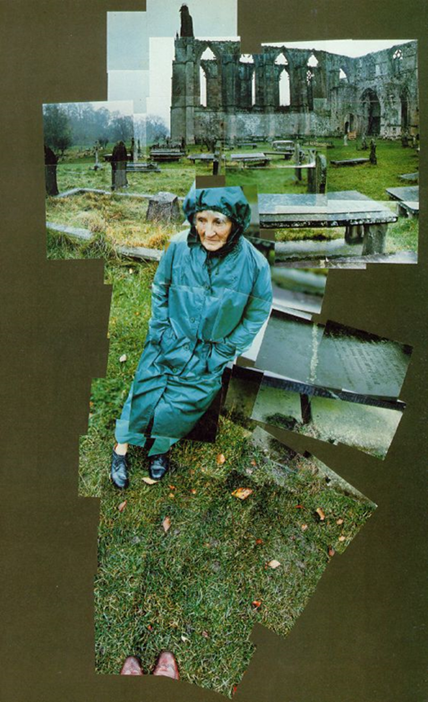
The following is a college by David Hockney. It’s on a gray background. It would look better as a cutout. (More on David Hockney in the next newsletter.)
Hockney’s mother
The metal print, and its potentially nontraditional shape, makes possible a standalone product of the future. That is, you can mount any shape on the wall without a frame. And as discussed above, a metal print lends itself to a wide range of additional treatment well beyond that of traditional framing (although this article is simply about cutting shapes).
Where does this leave the photographer? Well, for standalone prints in innovative shapes, it leaves a photographer by himself or herself alone. That’s not the whole story, however. A photographer who combines a metal print with other treatment may involve a second person (a second artist). This is already a common practice, in effect. With the frame being a crucial part of a work of art itself, many photographers and patrons leave the framing to a frame shop to provide an attractive frame. Thus, the second person today is the owner of or a worker at a frame shop who has the artistic sense to make a good match between a photograph print and the frame.
In the future, one can imagine the photographer will need a different second person to provide nontraditional framing. That second person will be another artist. That is not to say that one person (the photographer) can’t cover the creation of innovative framing too. In reality, however, the new framers will be specialty artists who think outside the traditional frame.
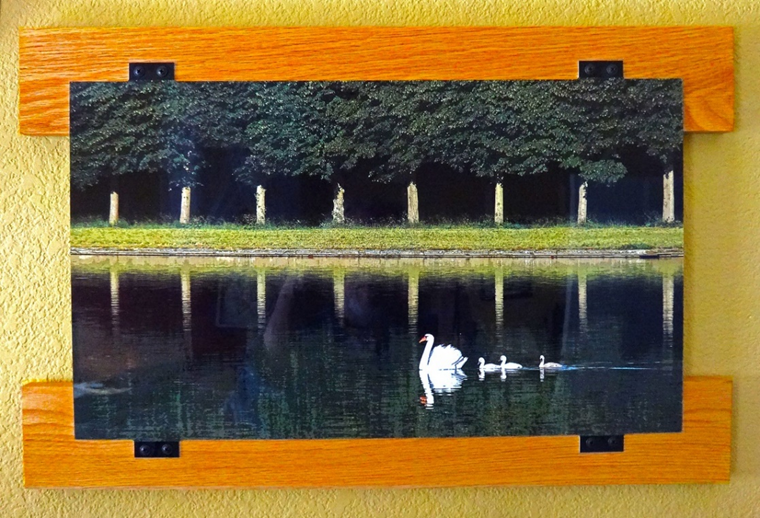
Cut with tabs and the tabs screwed to wood
There is nothing in regard to cutting and framing that detracts from the photographer’s art. These are additional tools to showcase the vision of the photographer in any photograph. Photographers, who decide to conform to the traditional frame, will best process photographs to be displayed on an LED screen. For photographers who desire to create one-off works of art, the new metal printing, shaping, and nontraditional framing will prove a very productive escape from taking photographs to be shown only in squares and rectangles.
As with any revolution in art, current and past generations of artists will continue to pursue the old traditions. But new generations, and those current artists who look to the future, will experiment with new shapes and nontraditional framing more and more. Come back in 25 years, and a photography art gallery will not look the same as it does today.
Note: PSPC members use the code PSPC15 to get a 15% discount at MagnaChrome.
The April meeting of the Pagosa Springs Photography Club will be held on Wednesday, April 12, 6:30 p.m., at the Community United Methodist Church, 434 Lewis Street in Pagosa Springs. Our speaker this month is Katherine Feng. Katherine’s presentation will be on Using Conservation Photography to Help Save Endangered Species.
Katherine Feng is a retired veterinarian who devotes her photography to protecting China’s endangered species and their habitat. Katherine is a Senior Fellow of the prestigious International League of Conservation Photography.
Katherine spent 6-9 months a year for 4-1/2 years in China’s Wolong Nature Reserve documenting the work of staff and researchers to save the giant pandas from extinction. Her images have been published internationally in calendars, books, National Geographic, Paris Match and numerous conservation magazines. Her giant panda images are featured in the children’s book, PandaKindergarten.
Katherine will present a program on how she approaches conservation photography to educate the public about wildlife, their habitat and people’s efforts to protect them. She works closely with the different nature reserves in China where she donates her images for conservation purposes.
Katherine’s presentation will feature photos of China’s giant and lesser pandas as well as the lesser-known snub-nosed monkeys and the critically endangered black-crested gibbons and white-headed langurs. The presentation will also be available by Zoom; for Zoom information contact Andy Butler at abutler@mac.com.
The Pagosa Springs Photography Club sponsors educational programs and outings to help photographers develop their skills. Photography Club members learn from one another and build their networks. The Club welcomes photographers of all skill levels. Dues for 2023 are just $25 ($35 family). For more information about the club, and to download a membership application, visit our website at https://pagosaspringsphotoclub.org/about/ .






 Pagosa Springs Photography Club