Club News

June Program: From Field to Framed

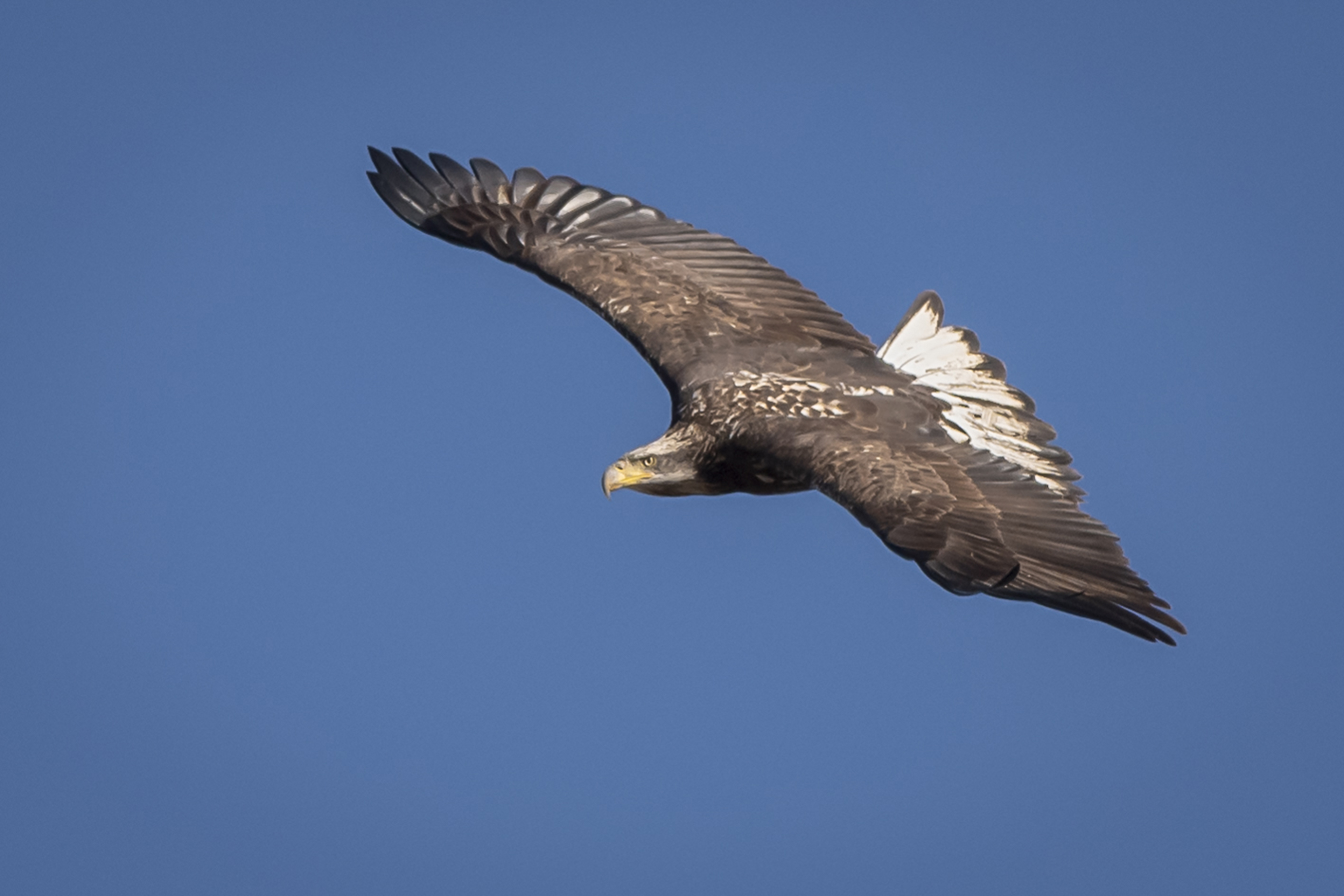
2 - eagle
Eagle in Flight, © Chris Roebuck

The Pagosa Springs Photography Club will next meet by Zoom video-conference on Wednesday June 10 at 6:15 p.m. Our speaker will be Chris Roebuck. His topic is Highlights from a photographer’s education: From field to framed. In his program, Chris will discuss why he photographs, how he uses the language of photography to tell a story, and how he takes his images from an encounter in the field to a framed print. 

Chris Roebuck has been a member of the Photography Club for several years. He began his digital imaging education nine years ago by attending a community college (Lansing Community College). There, Chris learned Photoshop in-depth. After 2 ½ years he went to the Rocky Mountain School of Photography, in Missoula, Montana, to learn Lightroom. That same year he attended printing workshops at Maine Media Workshops and College.  Chris has continued to attend photographic workshops every year since.  He is a firm believer in continuing education.  Chris takes a philosophical approach to his photography rather than an artistic one.  He is primarily a wildlife photographer, and hopes to always be a student of the photographic arts.

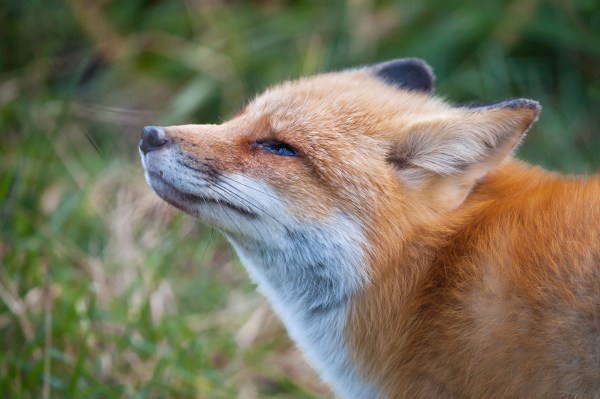
2.3 - MaineFox
Maine Fox, © Chris Roebuck

This will be a virtual meeting, live on-line, using Zoom video-conferencing. You may participate in the program from the comfort and safety of your own home. Photography Club members will receive a Club email containing a Zoom weblink to participate in Chris’s presentation. Members may submit up to five photos to share. This month’s theme is “Animals”. Others who are interested in taking part in the Zoom meeting may contact Club president Andy Butler for information, at abutler@mac.com. 

The Pagosa Springs Photography Club promotes educational, social and fun interactions between any and all who enjoy making and viewing great photography.  The club sponsors educational programs, themed challenges, contests and outings to help photographers develop their skills. Non-members are invited to attend a meeting to learn more about the club. Annual membership dues are just $25. For membership information visit our website at https://pagosaspringsphotoclub.org/about/ .

Be Prepared

by Joseph T. Sinclair

I was driving toward Delta, Utah on Highway 50 from Ely, Nevada. I was in the middle of nowhere many miles from anywhere. There are 152 miles of nothing between Ely and Delta. I had my camera on the front seat next to me to take photos of the interesting rugged mountains and canyons along the way. So, I was prepared. Sort of.

Coming the other way was a chap walking along the highway and carrying a wooden cross seven feet high made from 4x4s. He was towing a little red wagon with his camping gear on it. I was stunned and drove right by him without taking a photo.

Was he a Jesus impersonator on his way to Vegas? Was he a self-flagellating penitente on a pilgrimage to Las Cruces? Was he a lumber salesman carrying a sample for repairs on someone’s Sevier River salt flat shack? I’ll never know. I was dumbfounded. My camera was ready to shoot, but my brain was in full drain.

How can you tell a story like this and have anyone believe it? You can’t. Unless you have a photo. So, if you miss the photo, you can’t even tell the story. If you want to be a photographer, you have to be mentally prepared as well as have a camera in hand.

Which one are you?

  1. Poor little Jimmy. That mountain lion bit him before I could scare the big cat off.
  2. Poor little Jimmy. That mountain lion chewed on his leg for several minutes before Jimmy beat the big cat off with a stick. I got a dozen great photos of it all happening.

If you choose 1, you’re just a tourist taking snapshots. If you choose 2, you have great potential to be the next Ansel Adams. You have to be ready to do your job if you’re a photographer. No one is going to fault you for utter disregard of someone else’s safety so long as the photos are good. In any event, safety isn’t usually the issue that might be a distraction. It could be anything beyond the bounds of reasonable expectations.

For example, who could have predicted that I would see a guy carrying a big wooden cross along the pavement pulling a little red wagon in the middle of a vast desert penetrated by only by a lonely highway? No one. Nonetheless, I should have gotten the photo. Only my mental sloppiness caused me to miss the photo-op.

Therein lies the lesson. You need to be aware. Having the equipment ready isn’t enough. This is particularly important today because you carry a competent camera with you wherever you go. At 10MP a digital camera is the equivalent of a 35mm film camera. And smartphones typically have cameras between 12MP and 20MP. Thus, you have a camera in-pocket that’s more than adequate. If you can keep your mind in-gear, you’ll get those great photos.

Don’t let the heat of the moment overwhelm your cool photographic persona. Be prepared.

Antarctica-May 13 Presentation

The May program of the Pagosa Springs Photography Club will be held on Wednesday the 13th at 6:15 p.m, Mountain Daylight Time. This will be a virtual meeting, live on-line, using Zoom video-conferencing, consistent with Colorado’s current “safer at home” rules. You will be able to participate in the program from the comfort and safety of your own home. Our speaker will be Frank Comisar, whose topic is Expedition to Antarctica. Frank will show photos and videos of the wildlife and amazing scenery of Antarctica, taken on a recent cruise to the ice continent. Further, he will explain the logistics and daily routines of his trip, and considerations involved in planning for a cruise to Antarctica. Photography Club members will receive a Club email containing a Zoom weblink to participate in Frank’s presentation. Others who are interested in taking part may contact Club president Andy Butler for information, at abutler@mac.com. 

Frank Comisar is the founder of Scenic Aperture Gallery in Durango, and is a well-known wildlife and nature photographer. Frank travels throughout North America making beautiful photographs for his Durango gallery and leading small group photography workshops emphasizing landscape and nature photography.

Influenced by a previous career in Architecture, Frank’s images are well known for artistically depicting our three-dimensional world in a two dimensional medium. Frank learned early in his architecture career that “. . . the creative process is not a destination but a journey. It is a journey that includes research, planning, timing, technical skills, creative judgment, and a bit of good luck.” Frank’s success as a photographer is founded on these principles.

The Pagosa Springs Photography Club promotes educational, social and fun interactions between any and all who enjoy making and viewing great photography.  The club sponsors educational programs and outings to help photographers hone their skills, whether novices or enthusiasts. Non-members are invited to attend a meeting to learn more about the club. For membership information visit our website at https://pagosaspringsphotoclub.org/about/ .

April Dark Skies

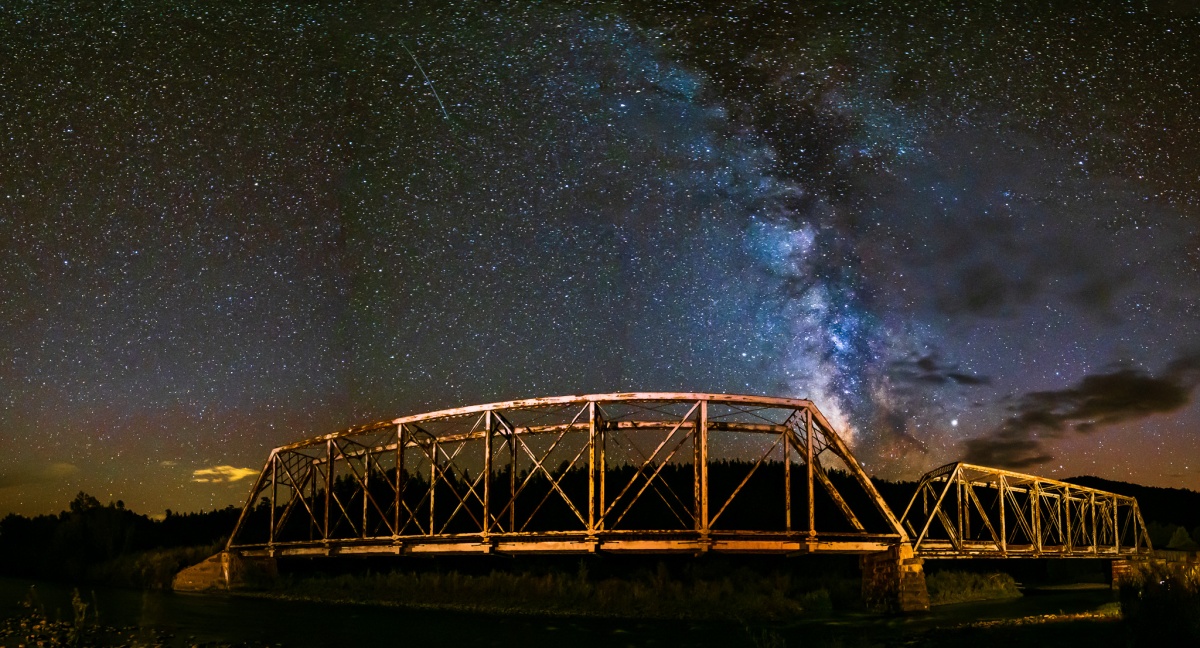
Spring in the northern hemisphere is the beginning of Milky Way season, when the Galactic Center is above the horizon at night. Although the Milky Way can be photographed anytime of the year when the sky is dark enough, the region around the Galactic Center contains the most detail and so is more photogenic. Spring is also the time when the Milky Way can be seen as a full arch, low enough in the horizon to photograph with some landscape visible. Fortunately, many of us in the Pagosa Springs area live where skies are dark enough that we can photograph the Milky Way without traveling, so it could be a good subject while we are “staying at home”.

In April 2020, opportunities to photograph the Milky Way from Pagosa Springs, without interference from the Moon, begin on the 14th and last into the first couple of days of May. The new moon will be April 22, so the best dark sky conditions and longest time for viewing the Milky Way would be a couple of days on either side of the 22nd. During this period, you could photograph the Milky Way from around 1 a.m. until shortly before dawn, about 4:45 a.m.. For details, see any of a number of apps, such as PhotoPills, Sun Surveyor, or The Photographer’s Ephemeris, desktop programs such as Stellarium. 

Night sky photography isn’t just about the Milky Way. A classic method of photographing the night sky is to make very long exposures which show the motion of the stars as star trails. As with any night scape photography, the best images will also have a strong foreground, perhaps illuminated by the waning moon, low level LED light panels, or by light painting with a flashlight. For tips and references on start trail photography, see this post. 

Also coming up next week is the Lyrid meteor shower, which should be active beginning April 19, and  peak in the predawn hours of April 22 this year. However, you should be able to see some activity of the Lyrid any dark night from April 10 through 23, with up to 10-15 meteors per hour. The Lyrid shower occurs every spring, and if the skies are dark and clear, it can be one of the best meteor showers of the year. Fortunately, with the new moon on the 22nd, there should be excellent viewing of the Lyrids this year. To photograph the Lyrids, all you need is a clear, dark sky, wide angle lens, camera and intervalometer (built in or external) and lots of patience. For an excellent introduction to techniques for photographing meteor showers, see this article by Glenn Randall.

If you are sheltering in place, don’t live in a dark sky area, or just are not into going outside to photograph the Milky Way in the wee hours, here is an indoor activity.  The week of April 19 to 26 has been designated as International Dark Sky Week by the International Dark Sky Association, with the goal of reconnecting people around the world with our night sky. On their website, https://idsw.darksky.org , you can find a variety of virtual presentations that you can watch each day of that week. Topics include the relationship between humans and the night sky through history, basic astronomy, and art and conservation. Some of the presentations are stories about the night sky, appropriate for kids. You can also follow these and other presentations of the IDSA on their Youtube channel.

Happy star gazing!

Gift Photograph

by Joseph T. Sinclair

It seems like a good idea that a fine art photograph makes a good present (Christmas, birthday, wedding, anniversary, or special occasion). But it may not be a good idea without qualifications. Why not?

  1. Most people (except young people just starting their adult lives) don’t have vacant wall space. If you give them a medium-size or large photograph as a present, they may have no wall space to hang it.
  2. Unless you put a frame around it, the recipient may never use it. Framing is expensive.
  3. Art is enjoyed according to taste, which is very personal. The recipient may not appreciate your photographic art.

A photograph that answers the above concerns, however, may be an appropriate gift. And a small metal print answers such concerns.

  1. It’s small. People can always find a place to hang a small print.
  2. It doesn’t need a frame. Thus, it can be less expensive than a framed paper print.
  3. If the recipient doesn’t like it, it’s not a lot of wasted money.

A photograph that you purposely take to be a small photograph (rather than just any photography you shrink down) can be a great photograph. Small is not necessarily lower quality.

Accordingly, giving a fine art photograph as a present isn’t inherently a bad idea. It’s just an idea that requires a little common sense.

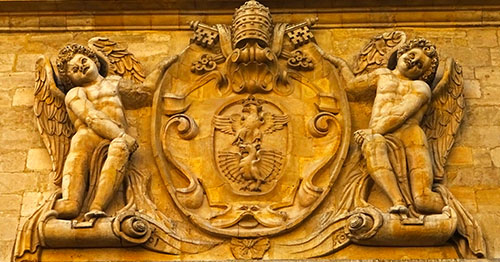
DSC01465-d-small

April Meeting Canceled

Oh, the lovely fickleness of an April day!  —  W. H. Gibson

Because of State of Colorado and local health orders related to the Covid-19 pandemic, the Pagosa Springs Photography Club will not be holding our regular monthly meeting on April 8. We will also not be doing any in-person group outings during April. 

We encourage our members to continue to practice their craft and develop their photographic skills. There are plenty of photographic opportunities near, and in, your homes. Just use your imagination, and maintain appropriate social distance. This is also a great time to make sure your backups are up to date, to make a few prints, or to develop your post-processing skills. Learn something new and different. Several on-line learning sources have made their content free for the time being. These include:

Professional Photographers of America, (https://www.ppa.com/education-unlocked)

KelbyOne: (https://kelbyone.com/free)

Nikon School: (https://www.nikonevents.com/us/live/nikon-school-online/)

Continuing to be creative and engaged can be a huge emotional boost while you are staying home to stay healthy. Also, consider taking part in our on-line Photography Club Shutter Therapy challenges. The first week (through April 6) is on the theme “Spring.” To view or participate, check out our Facebook page at https://www.facebook.com/PagosaPhotoClub/ and view the photos in the comments of the March 29 post on Spring Shutter Therapy.