White? Revisited

by Joseph T Sinclair

To understand this article you must first read White?. I would add a sentence to these sentences from White?:

This [selling an all-white photograph] is going to be a hard sell, however, unless you attach some BS to it to make it valuable. You have an explanation to write and the title to play with.

The explanation takes a little work but is not too difficult. Simply research on Google what other artists have said about their all-white paintings and distill to a similar line of compelling BS.

Titles are more difficult. They take some ingenuity and cultural awareness. But an all-white painting doesn’t have much value without evocative title words.

Add the following sentence:

You can use AI to generate the BS you need for an explanation and for creating a compelling title as well. AI does this task for you with surprising competency.

My friend Tim actually did the AI generation below.

I turned the problem of promoting and selling your work over to ChatGPT.  Here’s the prompt I wrote.

I have made an all-white photo that is 4 X 8 feet mounted on plywood, and framed. I hope to sell it for $20,000.00 Write a promotional announcement for the sale justifying the existence of the photo as a work of art and defending the $20,000 price tag as eminently reasonable.


The response is attached.  I thought it was quite good.  I get 10% if you use it. 🙂
Tim

Here is the AI response to Tim’s AI prompt:

Introducing a Masterpiece of Minimalism: “Infinite Serenity”

Step into the world of ethereal elegance with our latest creation, “Infinite Serenity” – a stunning all-white photo meticulously crafted on a grand scale of 4 x 8 feet, mounted on plywood, and exquisitely framed. This masterpiece transcends the boundaries of conventional art, inviting you to immerse yourself in an unparalleled experience of pure tranquility and contemplation.

“Infinite Serenity” is not just a photograph; it is an artistic expression that speaks volumes through its minimalist allure. Drawing inspiration from the essence of purity and simplicity, this captivating piece embodies the notion that art does not always require an intricate composition to evoke profound emotions.

At first glance, you may perceive “Infinite Serenity” as a blank canvas, but therein lies the brilliance of this creation. Like a blank page awaiting the touch of a poet’s pen, it invites viewers to become co-creators in the artistic process. The absence of overt symbolism or subject matter offers a canvas for introspection, encouraging personal reflection and eliciting unique interpretations from each beholder.

Now, some may question the $20,000 price tag associated with this extraordinary work. Let us shed light on the eminently reasonable pricing for “Infinite Serenity”:

  1. Uniqueness: “Infinite Serenity” is a one-of-a-kind creation, making it a rare gem for art collectors seeking exclusivity and unmatched artistic value.
  2. Craftsmanship: The meticulous attention to detail in producing this piece, fromselecting the finest materials to expertly framing it, showcases the dedication and skill of the artist, elevating its worth.
  3. Size and Impact: The grand scale of 4 X 8 feet ensures that “Infinite Serenity” commands attention and transforms any space it graces, making it a statement piece worthy of investment.
  4.  Aesthetic Appeal: The minimalist aesthetic transcends trends and time, promising that “Infinite Serenity” will remain a captivating centerpiece for generations to come.
  5.  Emotional Connection: Art often touches us in ways that defy explanation. “Infinite Serenity” has the potential to resonate deeply with individuals, becoming an irreplaceable part of their lives.
  6. Artistic Vision: Setting a price on art is often a challenging task, as it reflects not only the physical piece but also the artist’s vision and the intangible value of creativity and imagination.

We firmly believe that “Infinite Serenity” is not merely an object for sale but an investment in moments of reflection, introspection, and inspiration. It serves as a conduit to connect with the profound simplicity of life, prompting a meditative journey that transcends the ordinary.

Join us in embracing the allure of “Infinite Serenity” and indulge in the transcendent world of minimalist art. Owning this remarkable creation is not just an acquisition; it is an enriching experience that captures the essence of art’s boundless power to move and transform.

Visit our gallery to witness the enigmatic charm of “Infinite Serenity” and secure this remarkable piece for your collection. Be a part of the art that whispers to the soul and speaks volumes with its silence.

Limited edition. Price: $20,000.00. Own a moment of infinite serenity today.

If this is your first introduction to AI, you should be amazed. If you’re familiar with AI, you should be impressed too. But ChatGPT is not the only AI generator that’s free to use. Here are several with which you can experiment:

DALL-E 2 (https://openai.com/product/dall-e-2)

Microsoft (https://www.bing.com/images/create?)

Adobe (https://www.adobe.com/sensei/generative-ai/firefly.html)

White?

by Joseph T Sinclair

There has been a long-lasting fad of all-white paintings going back many years. These paintings are typically 4 ft x 8 ft or larger. They’re all white. You can find them in some museum collections regardless of the size or prestige of a particular museum. If you want to buy one, they range in price from a few hundred dollars to $30,000.

Fortunately, this fad has come to photography. Not long ago in the Napa Valley, I saw a very large all-white photograph. So, now photographers can take part in this lucrative image industry. The question is, how do you want to do this? Ironically, it may be that you are better off painting such a non-image rather than photographing it.

For example, if you are to make a 4 ft x 8 ft photograph all white, you need to find a clean white flat surface large enough to photograph (or perhaps create it in Photoshop). A metal print that size is going to cost you about $1,200. Or a paper print is going to cost a lot of money too, and you’ll have to mount it on a very large mounting board. Then you’ll need to frame it and perhaps even put glass over it. That pretty quickly adds up to hundreds of dollars of cost. That’s why I say, why not paint it instead? Here are the steps to do so:

  • Buy a 4 ft x 8 ft panel of half-inch plywood with a layer of paper on one side. This is a standard lumber item.
  • Buy a small can of latex glossy white paint.
  • Rent a paint sprayer.
  • Spray-paint the panel white on the paper side. (If you use a brush, viewers will see it’s not a photograph.)
  • Take 3/4 inch by 2-inch wood molding painted white (or gray) and attach it all around the panel for a frame.
  • Attach some wiring on the back for hanging.
  • Sell for up to $30,000.

This is one of the rare artistic cases where painting is easier and less expensive than taking a photograph.

This is going to be a hard sell, however, unless you attach some BS to it to make it valuable. You have an explanation to write and the title to play with.

The explanation takes a little work but is not too difficult. Simply research on Google what other artists have said about their all-white paintings and distill to a similar line of compelling BS.

Titles are more difficult. They take some ingenuity and cultural awareness. But an all-white painting doesn’t have much value without evocative title words. Here are a few suggestions:

Pallor of the Matrix

Nuclear Landscape

Cache of Enlightenment

Samantha’s Anguish

Zachery’s Clean Soul

Cloud Number 17

(I’m sure you can do better than I have.)

There you have it! An easy way to cash in on this long-standing trend. This is the easiest fine art you’ll ever create. But a good title that is currently very trendy will take a lot of reflection. It might be something you want to refer to a focus group. This fine artwork lends itself to easy scaling. (Again, an observation based on a Napa Valley photograph exhibit.) For instance, you can put a thin line across the panel (presumably at the Phi grid line), and the painting becomes a whole different work of art.

Or you can put a thick line, preferably blurry, across the painting in the same way to create an additional great work of fine art. Etc.

Why work hard when you don’t have to? Be forewarned, however, that if you proceed as I have outlined, your spouse and your friends, relatives, and neighbors may think you’re something of a slacker. They may even call you heinous names. But all great artists have endured such accusations, and you should not let that bother you. It’s enough that museum curators and art gallery managers everywhere will applaud your vacuous work. So, the hell with your own people’s scurrilous denunciations.

Current state of AI photography

by Joseph T Sinclair

I have seen plenty of photographs that have been so overbaked in post processing that that they have an otherworldly or fantasy quality to them. Personally, I don’t like such photographs, but they seem to have some popularity with the general public.

Recently, I’ve been playing around with AI photograph generators. It’s my impression that many AI photographs have such qualities.

Another common AI photograph quality is lack of definition. There seem to be too many pieces of the photograph out of focus. Then too, many AI photographs are just botched up (literally). Finally, many AI photographs just don’t look right.

Nevertheless, in some cases the AI generated photographs look real. It’s difficult, if not impossible, to tell that they are not traditional photographs.

The bottom line is that you need to play around with words and make endless experimental runs using different words with the generator to craft the photograph you want. But maybe it’s just easier and more productive to go out and take the picture.

That said, my experience is just a one-off. You need to experiment yourself with AI to see what it can do for you. It’s not going to go away. And in 5 years it will work much better than it does now.

First, you need to distinguish between AI assisted post processing and AI generated photographs. AI assistance is present in many photograph editors now, and it makes the normal thing you do easier and faster.

An AI photograph (image) generator, in contrast, creates a photograph from words you enter into the generator. You process the resulting photograph by changing the words and re-running the AI generator to see what you’ve got until you’ve got what you want. There are numerous AI photograph generators. Try one.

DALL-E 2 (https://openai.com/product/dall-e-2)

Microsoft (https://www.bing.com/images/create?)

Adobe (https://www.adobe.com/sensei/generative-ai/firefly.html)

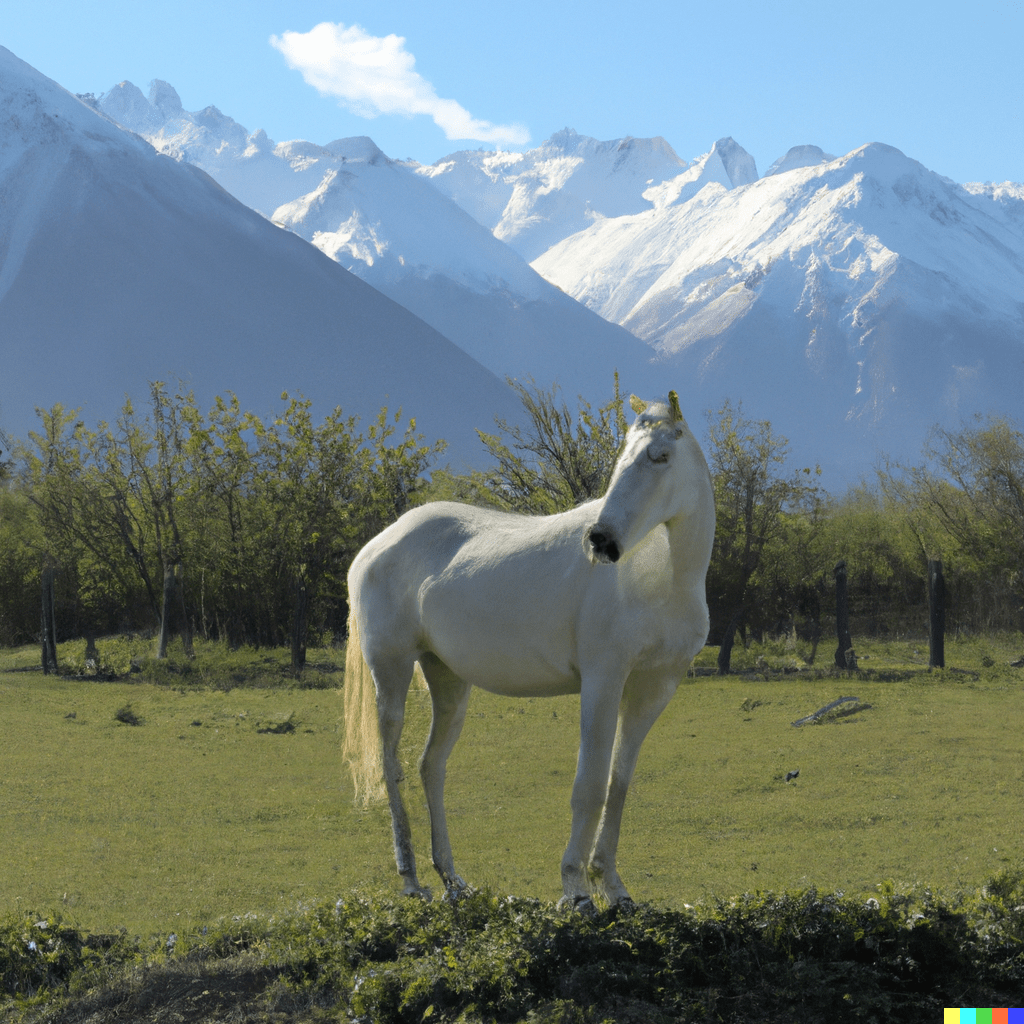
AI: white horse green pasture snow mountains [DALL-E 2 photography]
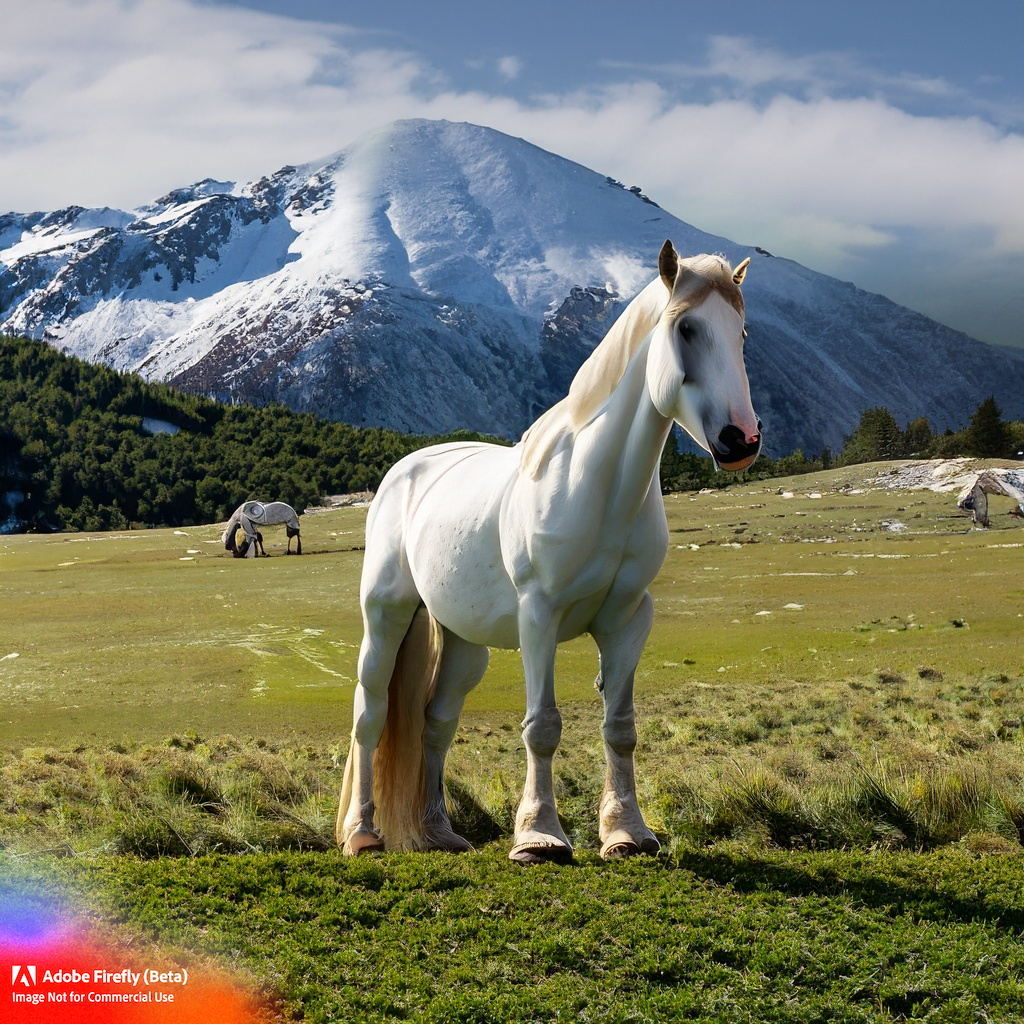
AI: white horse green pasture snow mountains [Adobe photography]
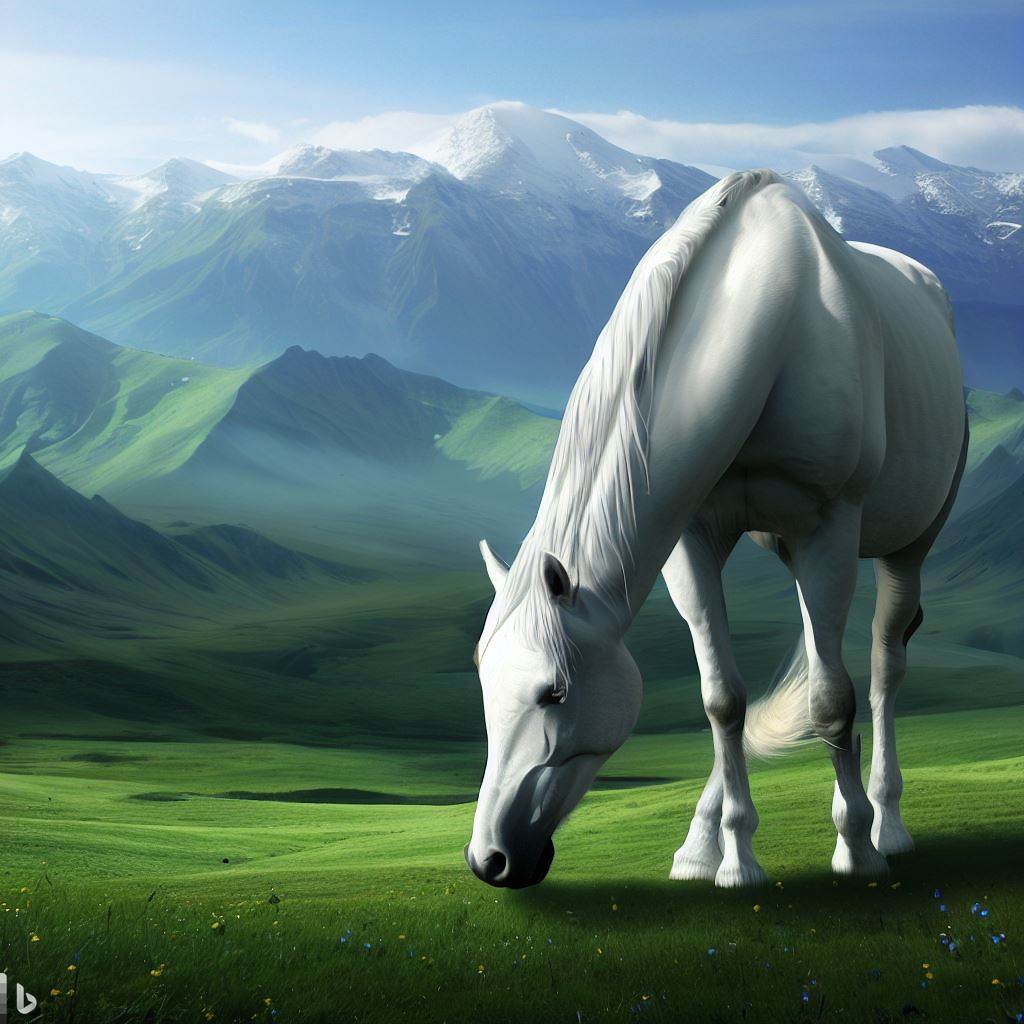
AI: white horse green pasture snow mountains [Microsoft photography]

See what you think. AI generated photographs may be adequate for many situations. But in my opinion, AI generation is currently not useable for aesthetic, realistic, color photographs; that is, the type of photographs that most of us strive for.

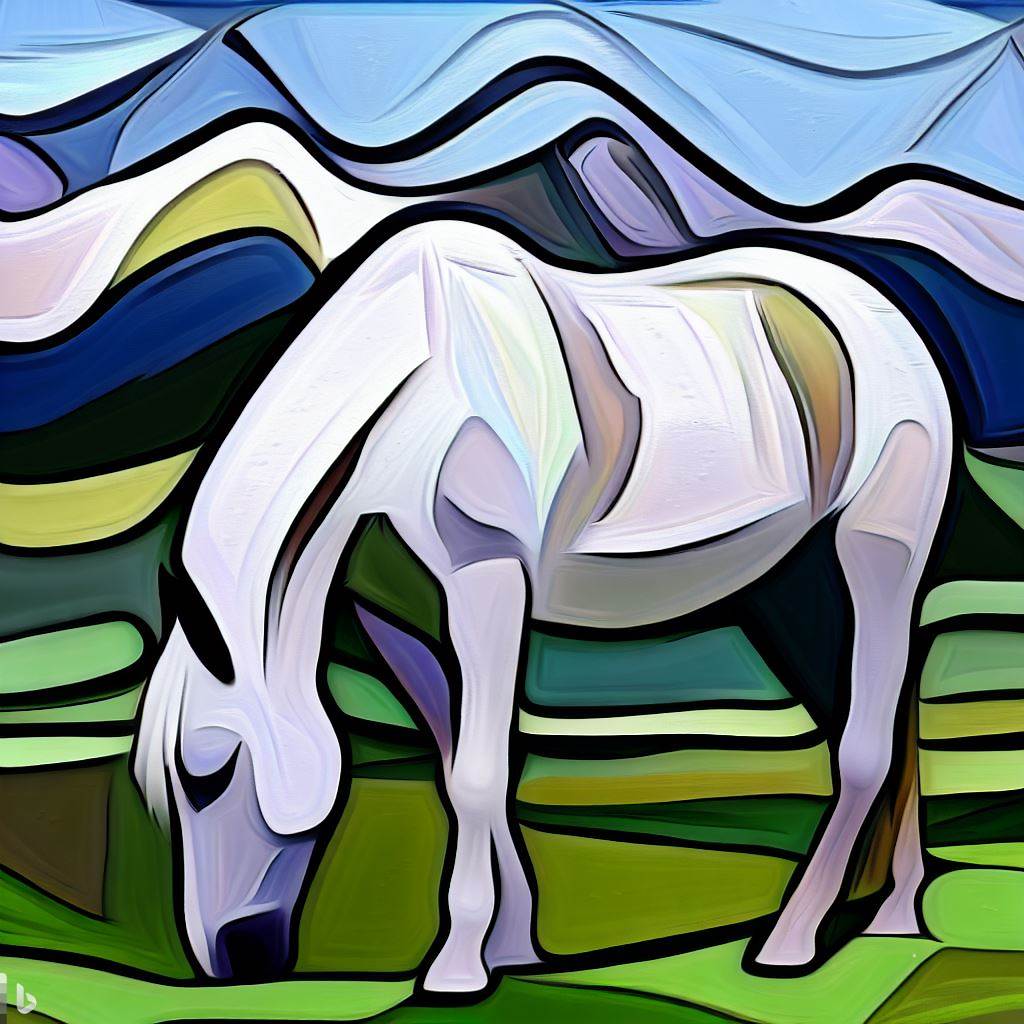
Nonetheless, AI generation can be useful for turning photographs into impressionist art or abstract art and for comparable processes.

Picasso style AI image of the white horse above (Micrpsoft)
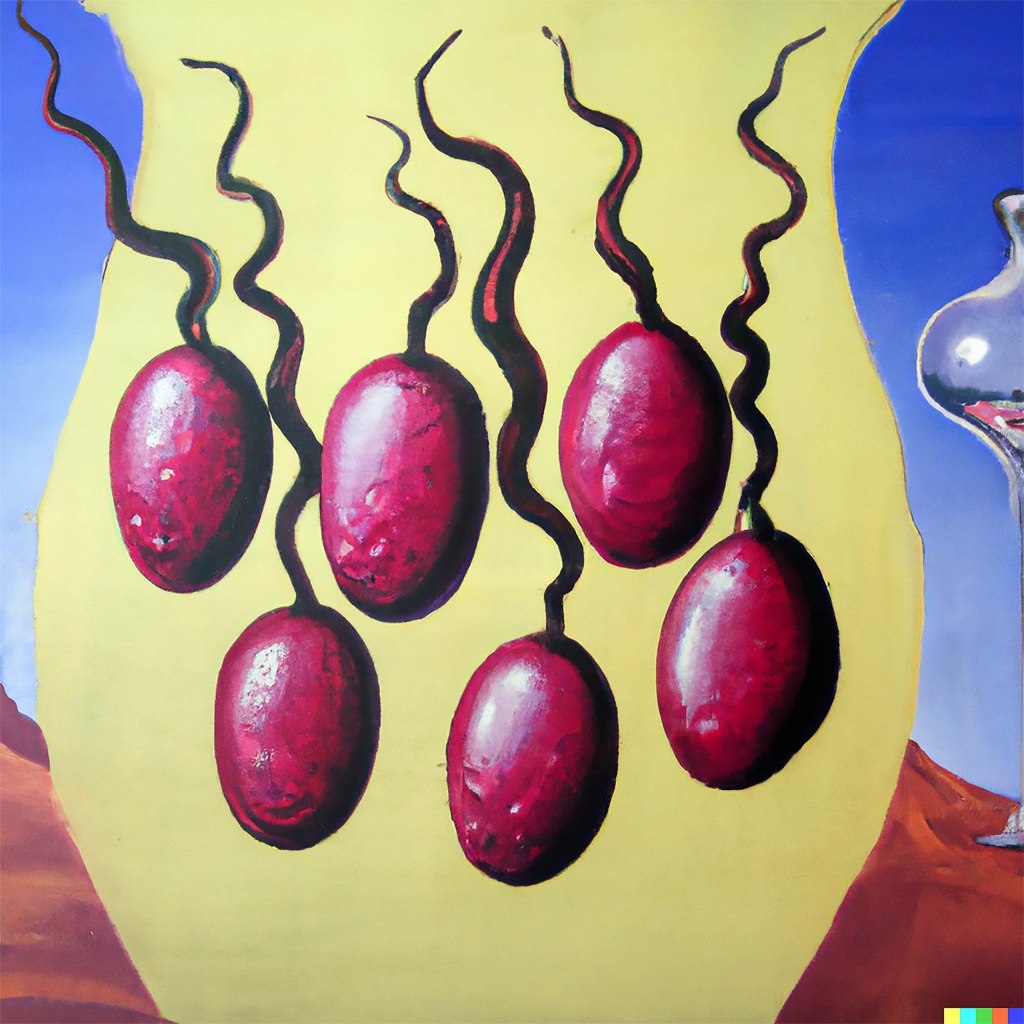
AI: a image of fermenting wine grapes painted by salvador dali acrylic paint [by Dean Busquaert]
AI is the new parlor game
I found myself with three other retired people after dinner. They all had their noses in their phones. They were making AI images, AI poetry, AI songs, and AI videos and then presenting the results to each other. The results were not particularly appealing, in fact boooring. Rudely, I dozed off until my spouse kicked me awake, and I had to pay polite attention. Of course, you know if AI is already a parlor game that it’s also well entrenched in internet platforms. YouTube, I’m guessing, has more AI video than the rest of the digital world combined.

Finally, you need to understand the combination of AI assisted post processing and AI generated images. Software such as Adobe’s Firefly incorporated into Photoshop (beta – moderate learning curve) enables you to easily apply complex processes to your photographs but to add AI imaging as well. In any case, this is a path to endless fiddling around.

Not only is this powerful digital technology but apparently Adobe is doubling the price of Photoshop (or maybe there will be two versions of Photoshop, one without AI generation).

AI is a technique for which you need to know the capabilities and limitations to determine how you might use it. Maybe a parlor game after dinner is the avenue to knowledge after all?

What Is a Photograph?

by Joseph T Sinclair

Digital art, regardless of how you make it, comes out flat and two-dimensional. I suppose one exception is a 3D movie and another is a 3D photo sterocope (antique). But this article concerns only two-dimensional photographs. The significance of two dimensions is that a work can be printed on a printer, shown on a screen (e.g., computer monitor), painted on a canvas, displayed on other flat surfaces, or any and all of the preceding. That’s something to keep in mind when trying to decide what is a photograph. You need words to make distinctions (labels, categorical names). There is no third dimension to help make distinctions.

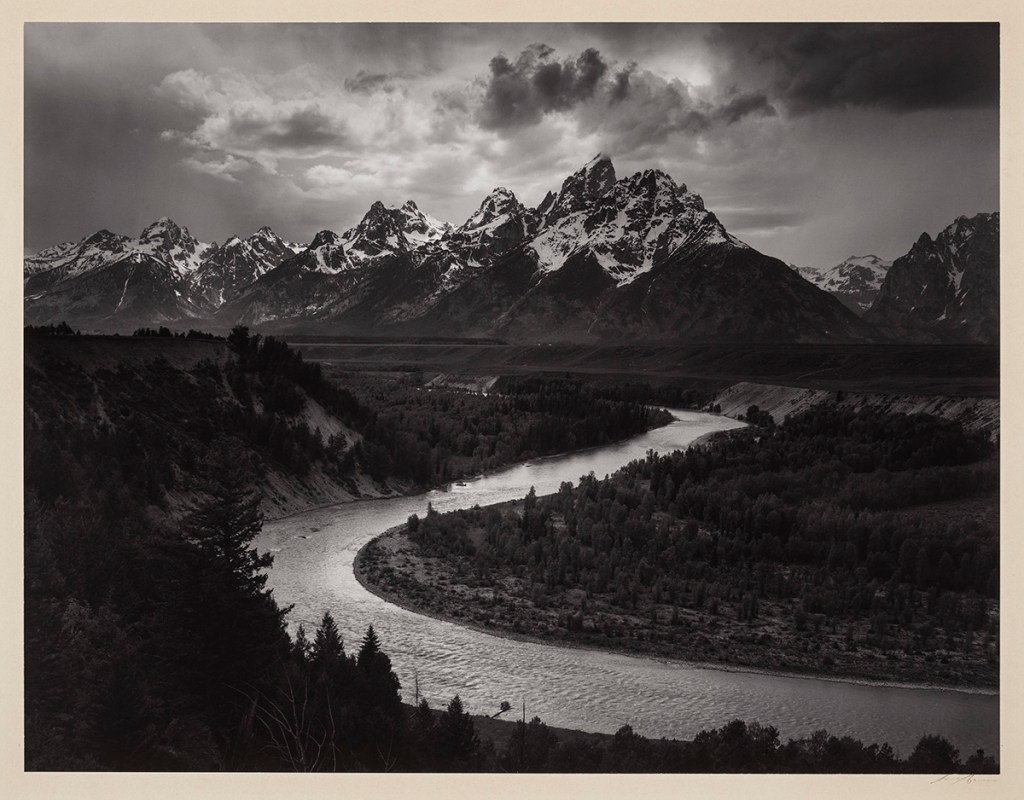
To begin this analysis, there are some people who argue adamantly that only a photograph untouched by manipulation is a photograph. This is an absurd dogma at a time when every photographer has access to a powerful digital darkroom (e.g., Photoshop). Even in the predigital era, for example, a noted photographer Ansel Adams made his fame by clever manipulation in a chemical darkroom.

Thus, manipulating photographs is nothing new. Digital technology has just made it easier and more powerful. And almost every photographer uses such technology.

The problem is that when one manipulates a photograph too much, is it still a photograph? Too much is a judgmental question. And no one owns the definition of the word photograph. Consequently, any dogma that declares that some photographs are not photographs or are bogus photographs is obviously deficient.

So, let’s take some examples. Suppose one accentuates the color saturation in a photograph (e.g., in Photoshop). Is it still a photograph? Remember Fiji Velvia film? A very colorful film with accentuated color saturation. It’s difficult to claim a Velvia photograph is not a photograph.

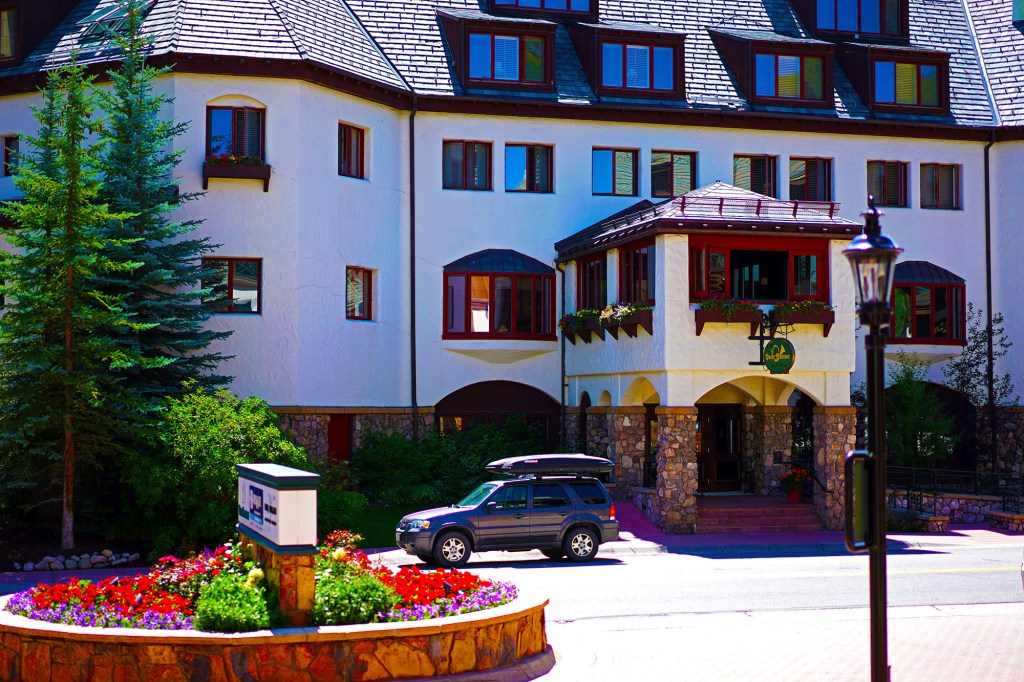
This photograph is +100 saturated in Photoshop (looks like Velvia)

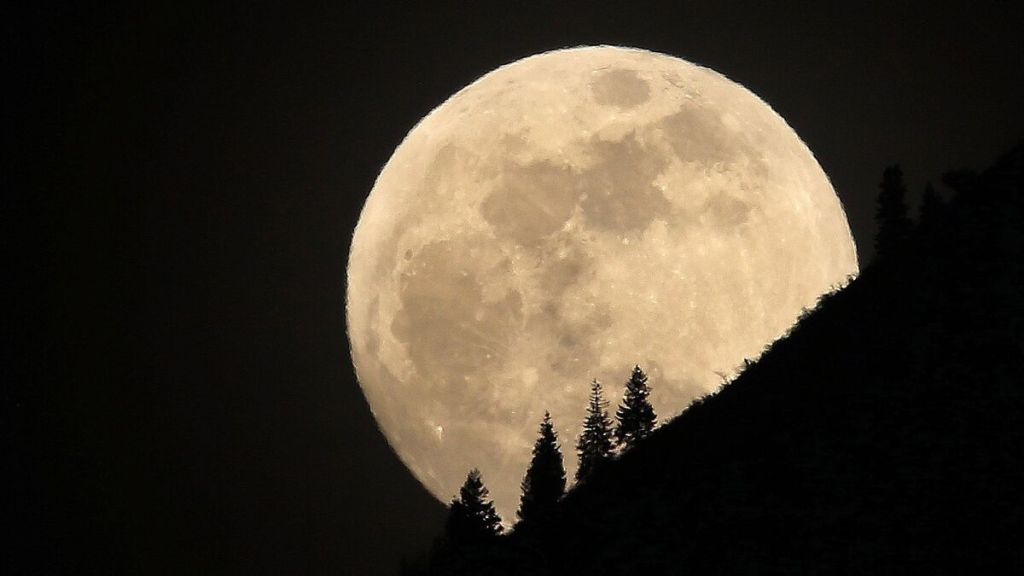
For another example, it turns out the moon is tiny in most landscape photographs. If one pastes in a larger moon, is it still a photograph?

Of course, it is. And what if you subtract something from a photograph (a common practice)? Is it still a photograph? Or is it a bogus photograph?

Unfortunately, to some people these techniques are cheating. But since no one owns the word photograph, the cheating analysis can’t stand.

HDR
If you overuse HDR (high dynamic range) processing in Photoshop too much, your photograph starts to look like an artist’s color pencil drawing. And with more even HDR processing, it eventually becomes a color pencil drawing, in effect. Is a heavily HDR-processed image still a photograph?

If you think there is an immutable definition of photograph, where do you draw the line? Obviously, some manipulation may be acceptable to you, but other manipulation is not. The fact is, where you draw the line is your dogma (perhaps your evangelistic pursuit) and probably doesn’t exactly match anyone one else’s.

The latest leap into this quagmire is a photograph created by AI (artificial intelligence). Is an AI photograph really a photograph? Of course, it is. Who is to say it’s not?

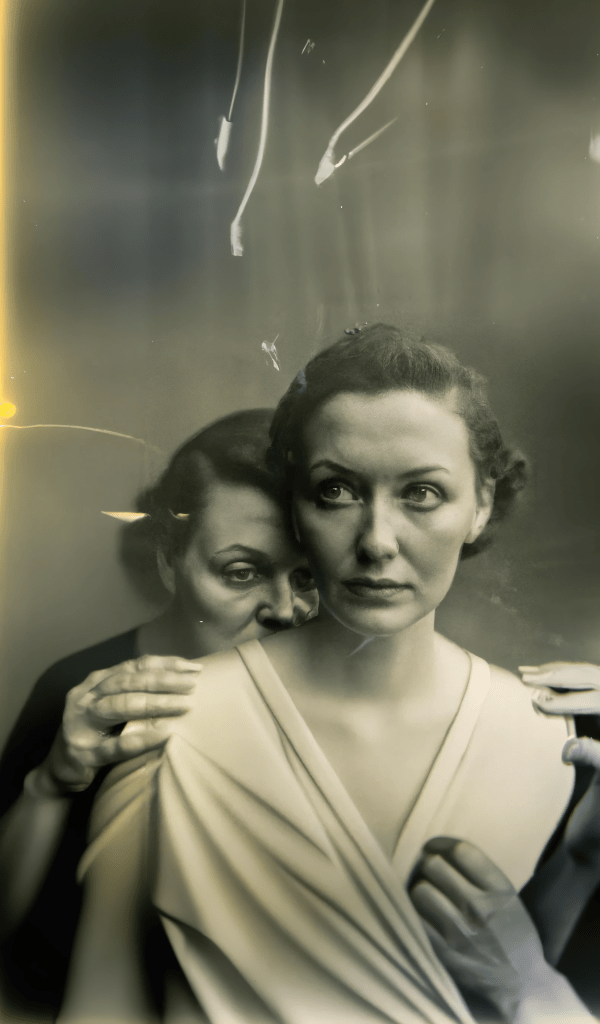
Recently Boris Eldagsen won a prestigious Sony world photography award. He then revealed that the photograph was AI-generated. The photograph is very compelling. But some people felt betrayed. The photograph was created by a careful selection of words fed into an AI generator. Does that make it any less a photograph than an Ansel Adams’ mountain severely crafted in a chemical darkroom? Certainly not.

Perhaps someday there will be accepted labels that distinguish photographs created in different ways. Until then, it’s all very fuzzy and controversial.

Eldagsen’s AI generated prize-winning photograph
Where’s the creativity?
For AI, there’s the proper selection of words to run the AI generator. This is a creative act and can be a very complex chore. In addition, when one gets a desirable photograph from AI, one might be likely to do some digital manipulation to make it better. It could be said that this is more work than running out and shooting a normal photograph.
AI unrelated to photography
AI has implications for societal and technological changes unrelated to photography. Many even seek legislation as an attempt to control the evolution (revolution) of AI. That’s a matter that will not immediately relate to a definition of photograph.
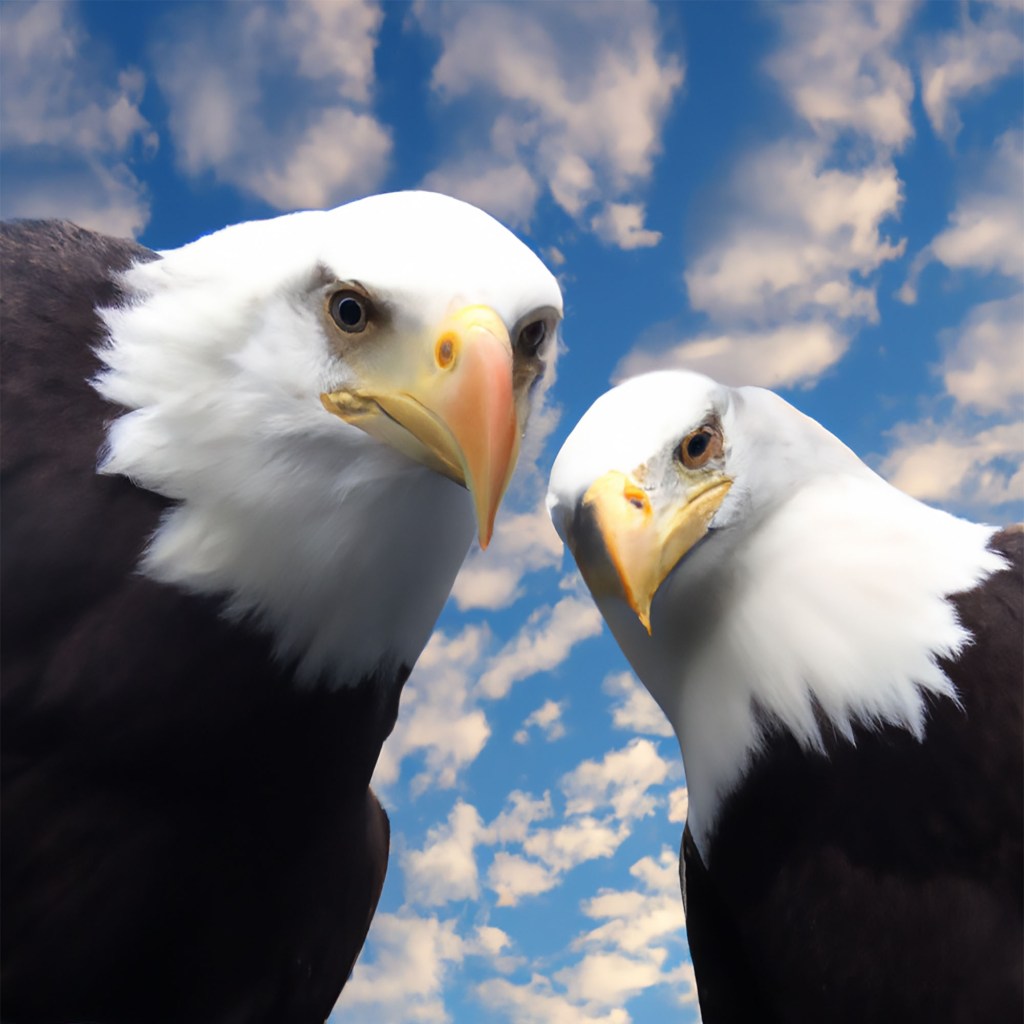
AI: bald eagle selfie 

There are, however, places for unmanipulated photographs taken with a camera. One is journalism. Manipulated photographs used in journalism are appropriately unethical. Journalism is expected to tell (show) the absolute truth. Likewise, in the justice system, unmanipulated photographs are required for accurate evidence. Even in the insurance business (and other normal businesses), unmanipulated photographs are important. Think about the photograph of damaged vehicle used for a claim adjustment.

There is also implied accuracy. An example is taking photographs for a travel brochure. It is implied that the photographs are not misleading (or at least not too misleading).

Then, of course, if one represents his or her photographs to be unmanipulated—but they are manipulated—that’s fraud. And fraud is socially unacceptable and even illegal in some cases.

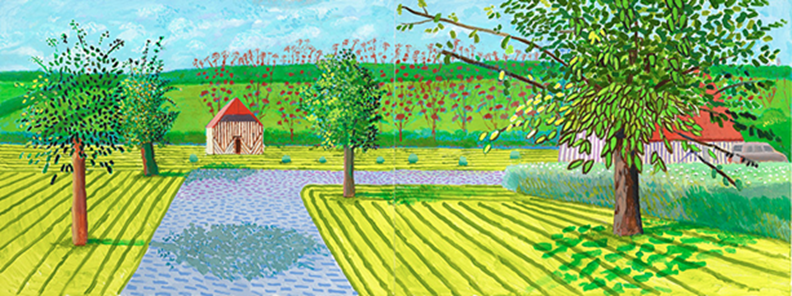
Nonetheless, when it comes to creativity, anything goes. All artistic tools are at the disposal of creative photographers. David Hockney (leading artist) uses iPhone photographs as sketches to start his paintings. Painters, going back many centuries, used camera devices (e.g., the camera obscura) to create sketches to start their paintings; when this was first revealed a few years back, many curators and collectors thought of it as cheating. What do you do about cheaters from the 1400s? Fine them? How many guilders? And how do you collect the fines?

Photographers have been adding and subtracting images to and from photographs for decades (even in chemical darkrooms). If a photographer wants to call their work a photograph, who is to say it’s wrong (or bogus) regardless of how it was made?

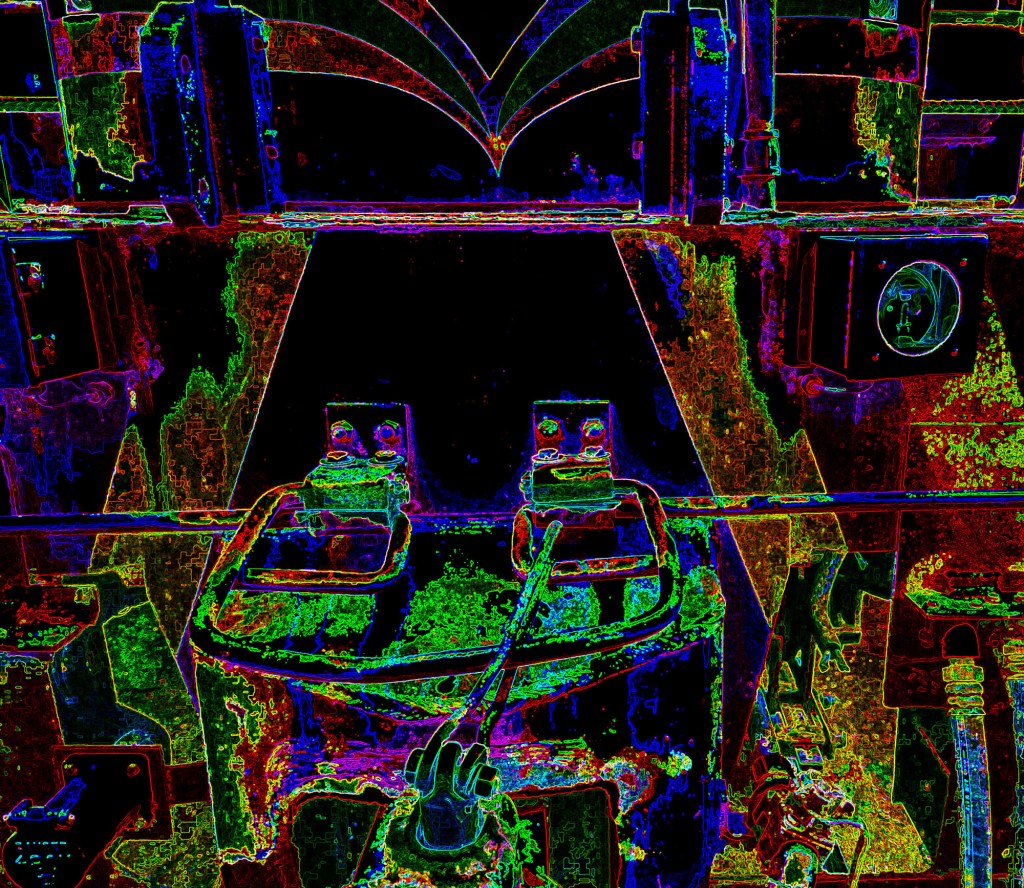
Below is my photograph created by super, super saturation in Photoshop. Is it a photograph?

If it’s not a photograph, what do you call it? This gets back to the first paragraph. One needs to distinguish between photographic creations by labels, because photographs are all two-dimensional (flat). You can’t distinguish between them using a third dimension (e.g., statue, base relief). And with exploding modern technology, we don’t have widely-accepted labels to make distinctions, specifically among different kinds of photographs. This situation is likely to be temporary, perhaps for the next 25 years. But until we have the new labels (widely used), we’re stuck with ambiguous words like photograph.

For instance
Perhaps aig could become the word to label photographs created with AI; that is, AI generated. Perhaps addphoto and subphoto could become the words to label photographs created by adding or subtracting part of the image. Etc.

In the meanwhile, curators, art show judges, collectors, and the like are overrun by the new technology and are prone to dogma that they can’t easily define. This causes a great deal of friction in the photographic community.

The lesson to be learned is that one must evaluate each image (work of art) for its aesthetic value: how it tells a story, or other subjective criteria. How it was made is of no concern. It’s either evocative or informative, or it’s not. And if the artist calls it a photograph, it is. Only when photographs are used for special purposes (e.g., travel brochures, justice, journalism) is reality de rigueur.

This article just scratches the surface of complications for the word photograph. For instance, expectation is a factor. If one submits a photograph to a New York City gallery, the definition of a photograph is likely to be wide. If one submits the same photograph to a rural-county-fair-photography contest, the definition of a photograph is likely to be narrow.

This post processing is a little over baked (coupling on a train), but it’s still a photograph.

So, don’t let anyone tell you your photograph is bogus or not a photograph.

“When you show me a moving, heartfelt image that causes me to laugh, cry, think, or otherwise react, I couldn’t care less how you did it. I don’t care if you used a pinhole camera or film or an iPhone. What I care about is the image.”

Scott Bourne, 72 Essays on Photography

Cropping for a creative digital display

by Joseph T Sinclair

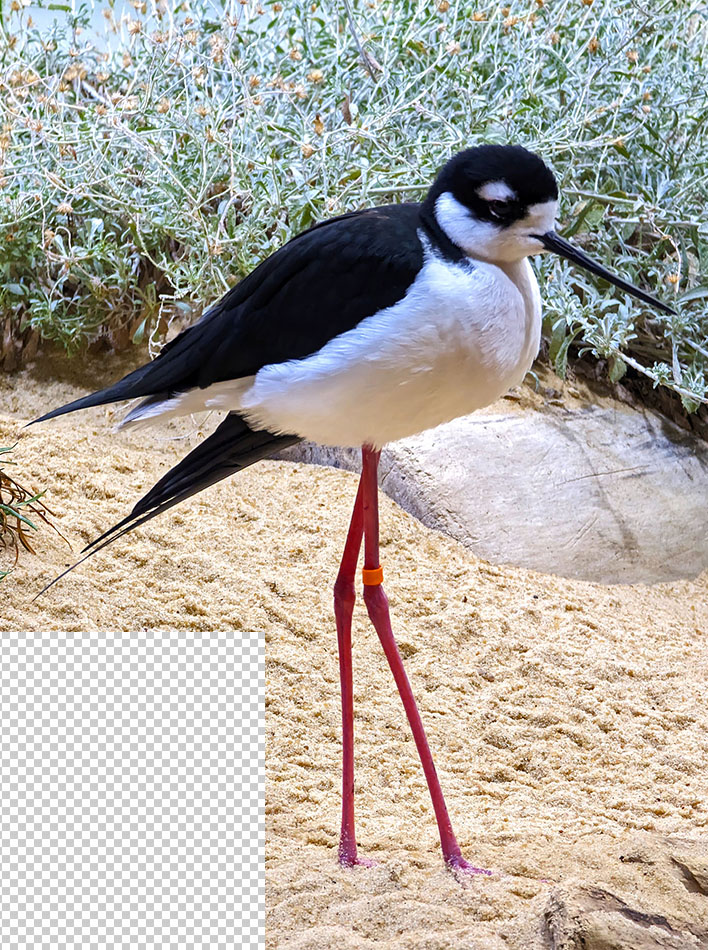
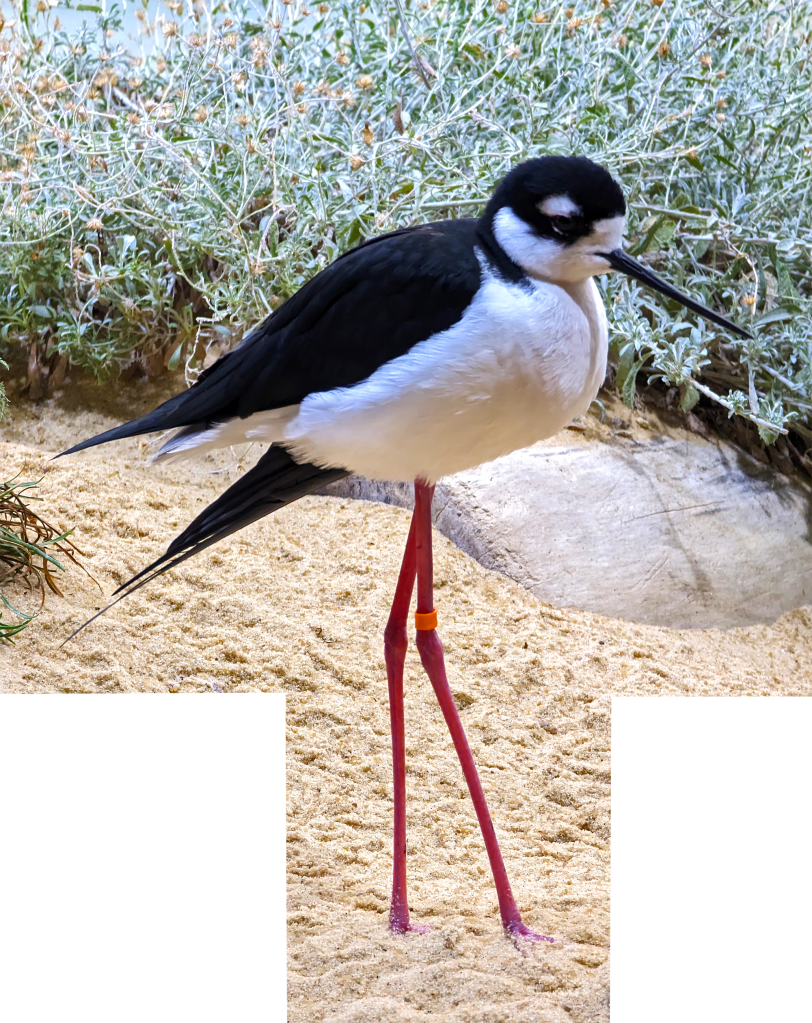
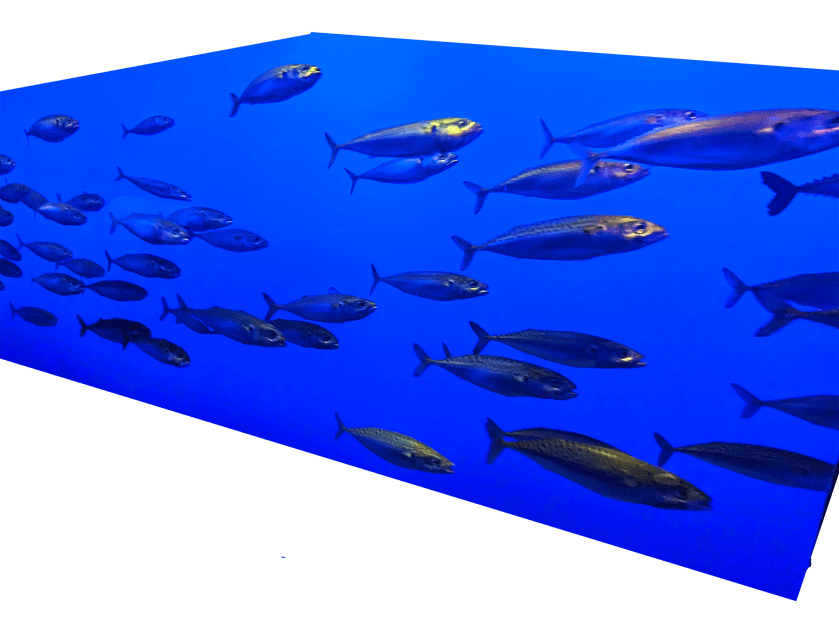
What is cropping a photograph for the sake of discussion in this article? It’s changing the shape of the image into something other than a rectangle. Thus, when it displays on a digital screen, it has a new shape.

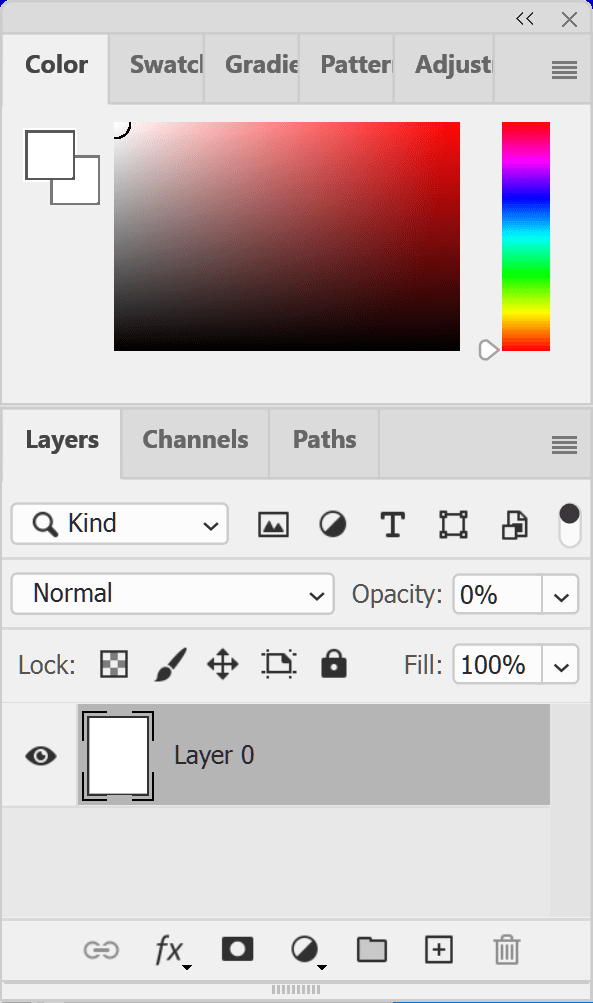
  1. Create a new image in Photoshop the same dimensions of the photograph and make sure it’s all one color (white is the default).

2. Make the opacity of the image 0. This is the background layer, and the background hash will show as you work.

3. Create a second layer.

4. Import and place the photograph onto the second layer covering the entire layer. Then rasterize the layer.

5. Use the rectangular marquee tool (or another selection tool) to create a shape that you want to cut away.

6. Erase that shape; be careful to erase everything within the shape.

7. Create more shapes to cut away and erase them until you get the crop (new overall shape) you want.
8. Merge the second layer to the background layer using the merge layers tool.

9. Save as a .png (PNG – portable network graphic).

How will this display? The cutaway portions of the photograph should not show (should be invisible) on most digital displays. (On some rare digital displays, the background hash will show leaving the photograph a rectangle with the background not invisible.)

Note: this will work only if saved as a .png photo files.

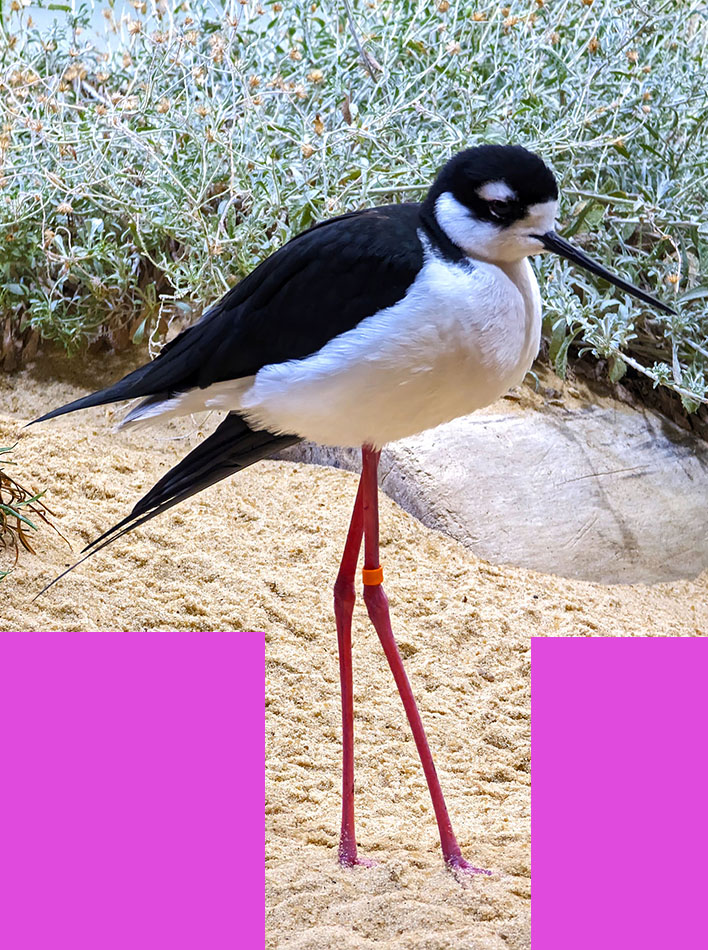
If you’re going to cut away portions for a metal print, make the background layer a florescent color with full opacity so that the photo service will know where to cut. After the cuts, the metal print will have a creative shape.

Most photo services do not offer cutting. One that does is MagnaChrome:

https://magnachrome.com

Examples

More dramatic than the original:

Funny:

Useful shape:

Silhouette:

Book Report: Hockney

by Joseph T Sinclair

An art museum isn’t just a place to see pretty pictures. It’s a place to learn. So, to my surprise, I discovered David Hockney (artist-painter-photographer) in the de Young Museum bookstore (San Francisco). Had never seen his art. But more importantly had never read one of the many books by him or about him (https://www.hockney.com). How is that possible? Well, I’m not an art critic, just a guy off the street.

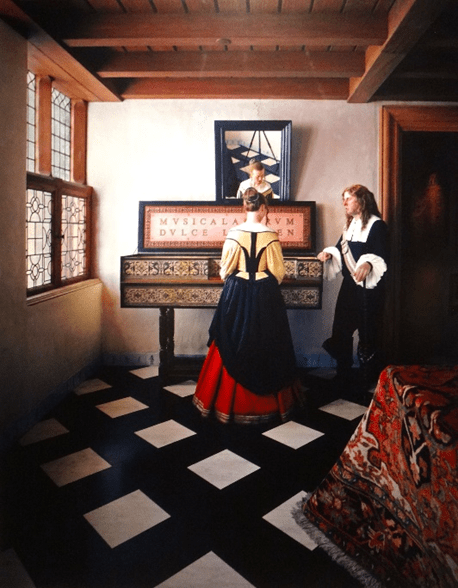
A new book Hockney’s Eye, the Art and Technology of Depiction (2022) edited by Gayford, Kemp, and Munro (with each chapter written by a different author) argues that according to Hockney, the artists of the past used camera devices to help paint their works of art (two-dimensional art). I remember I read something a few years back that a Flemish artist (Vermeer) had used the camera obscura to paint a classic painting. It was something of a revelation and somewhat controversial.

Hockney argues that, in fact, all artists have used cameras aids to paint, and that camera aids were and are a common artist’s tool.

Camera  Hockney’s definition of a camera is a device that captures an image, such as the camera obscura (millenniums old), the camera lucida, the graphic telescope, and the iPhone. A camera in the modern sense is a device that not only captures an image but also records it.

https://en.wikipedia.org/wiki/Camera_obscura

https://en.wikipedia.org/wiki/Camera_lucida

For instance, what does the camera obscura do? It projects a real live image onto a surface (i.e., an artist’s canvas). The projected image can be any size. The artist then sketches over the image to get a realistic foundation for a painting. Until impressionism, realism (naturalism) in painting was a common artistic goal.

Interestingly, to Hockney the photograph is the most unrealistic depiction of all. It merely duplicates reality but doesn’t interpret it. It is left to the artist (painter) to interpret a scene, object, or person. No artist’s aid can create such an interpretation. Indeed, Hockney uses an iPhone as a sketch pad—the beginning of an artwork. Thus, an iPhone photograph can be the beginning of an artwork, but not the end, an interesting dogma about photography.

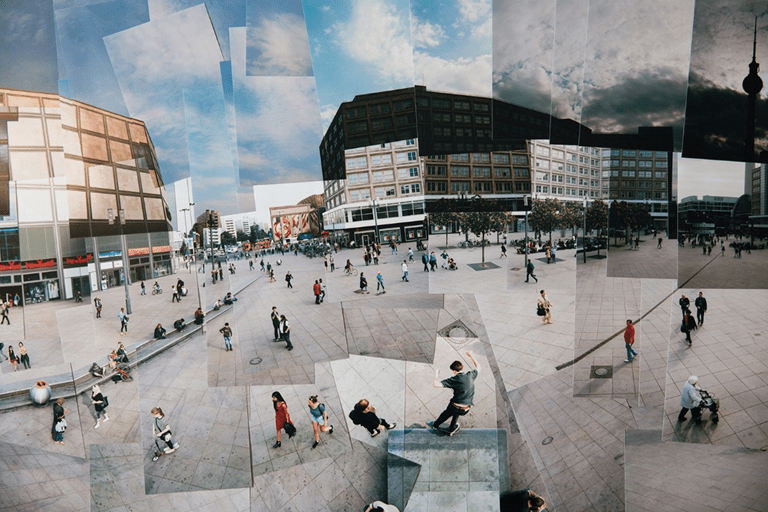
Nonetheless, Hockney is not limited in vision to photography as an artist’s aid. He has done some interesting artwork depicting actual photographs and has also done much experimenting in assembling multiple photographs into one complex image (a collage). His collages were exhibited in galleries around the world in 1983 and again in the first decade. He even received a letter from Henri Cartier-Bresson telling him how wonderful his photographic works are.

A street scene collage

A more comprehensible street scene collage

According to Hockney, it takes more than one photograph (more than one visual point of view) to make an interpretation. In fact, I think that one of my multi-shot panoramas is more in tune with my vision of the scene (see below) than a single shot. I consciously rejected a single shot because it just didn’t do justice to the pleasing slopes of the hill.

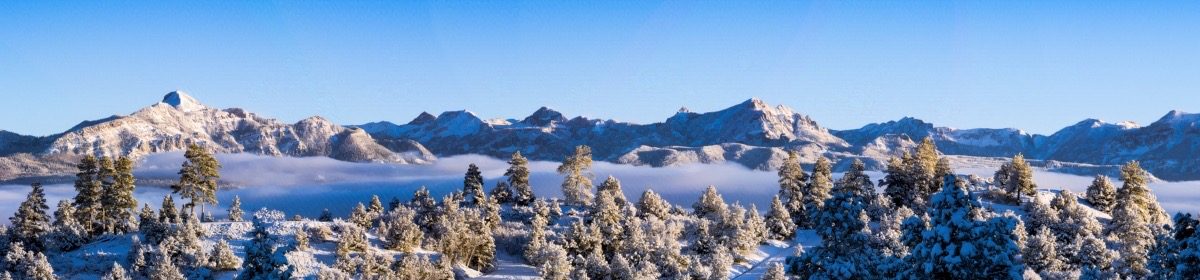
My 7 photographs stitched together in Photoshop

This shot was never intended to be a great photograph. This was an experiment. It was simply a photo opt that had a problem. I couldn’t capture my vision with one normal wide angle shot. The panorama (7 points of view) was the answer.

Stitched College  If Photoshop didn’t stitch together my 7 shots seamlessly, my 7-shot panorama would look similar to Hockney’s collages.

Thus, it makes sense when Hockney says that it takes more than one photograph to create a work of art.

Is that true, however? Are multiple visual points of view necessary to be considered an interpretation and thus a work of art?

What does Hockney have to teach photographers? First, his study of the use of technology to create art is a valuable guide in creating any two-dimensional art. Second, great works of art are not great because they duplicate reality. Great art always comes with an interpretation. Third, photography is not limited to single-shot photographs. In fact, a single-shot photograph can be very limiting.

Hockney is a guy who sees the iPhone camera (or any camera) primarily as an aid to painters (artists). Nonetheless, it seems to me that an iPhone isn’t just an aid to artists. Can’t you take a photograph in a way that interprets reality and thus creates art? I think so (which puts me at odds with Hockney).

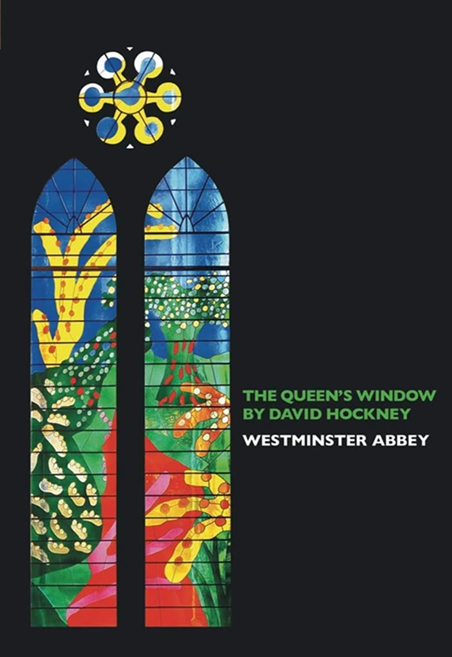
Hockney (now in his 80s) is a British artist well associated with several leading British art museums, the author of many books, the creator of the stained-glass window in Westminster Abby that commemorates Queen Elizabeth’s reign, and an art experimenter reminiscent of Picasso.

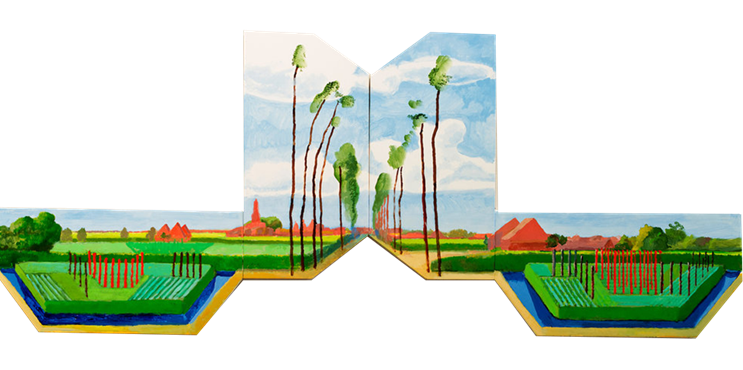
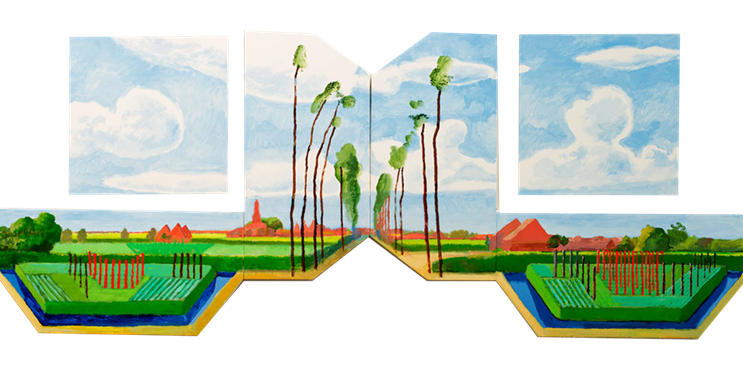
Whether you like his art or not, some of his books are directly relevant to photography. And he even does some engaging artwork depicting actual photographs or creating photographic collages as illustrated above. Interestingly, some of Hockney’s paintings have odd shapes (i.e., not rectangles or squares) based on his unusual points of view.

Available Now  Odd-shaped art makes MagnaChrome’s capability to cut metal prints into any shape a compelling facility, assuming you have an eye to the future and a lust for new ideas. That is, the Hockney shapes immediately above are natural candidates for cutout metal prints.

https://magnachrome.com

But that’s not all. Hockney did his photographic experimenting long before metal prints. It seems to me his photograph collages would be much more appealing if they were cut out. For instance, his street-view collage first above (about 75 different photographs) is on a drab gray background that does nothing to add to its aesthetic value and even detracts from its appeal. If it was a cutout metal print, however, it would have more appeal, albeit with a strange shape.

To elaborate on my opinion, photography by itself can be an art (contrary to Hockney). Photographers don’t necessarily create art simply by shooting reality. And photographs don’t have to have multiple visual points of view to be valid art. Photographers have always had lots of photographic techniques to render an interpretation. And photographers now have extra-analog techniques for interpretation, such as Photoshop (i.e., digital technology). In answer to my argument, Hockney will argue that painting gives an artist much more flexibility in creating art with or without the aid of a camera. Maybe so. But that doesn’t necessarily indicate that a photograph cannot be art.

Wow!  One of Hockney’s paintings sold at a Christie auction in 2022 for $90 million. It was owned by one of his patrons.

$90 million for a nice painting of an LA swimming pool

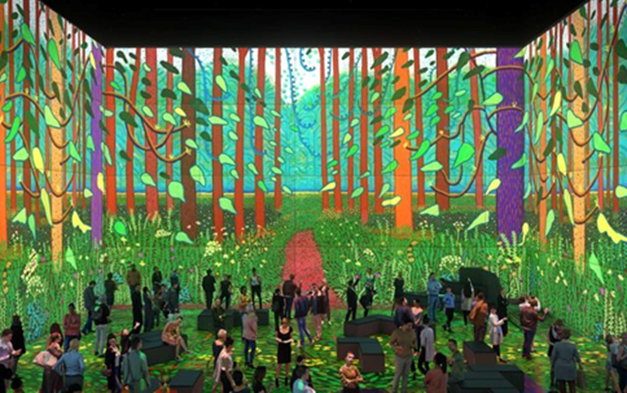
Currently Hockney is on exhibit in London (https://lightroom.uk) with a display of his art projected on the walls. The difference between this dynamic artistic display, and other similar ones that have proceeded it, is that a living artist (Hockney) has had a hand in producing it.

Hockney has exceptional ideas about two-dimensional art, many of which are relevant to photographers. But beyond dimensions, the chapter on color is remarkable. Hockney is cognizant of the physics, physiology, and psychology of color and the role it plays in paintings. Indeed, the levels of actual colors that appear in nature are much greater than that of the color pigments (for painting). But the levels of digital color are much greater than that of pigment color.

Consequently, Hockney has taken to an iPad to paint his art. That is, Hockney now paints with an iPad as well as with a brush. This relates directly to photography wherein one can change colors subtlety or dramatically by manipulating them digitally (e.g., in Photoshop). But first one must study color in order to understand its effect on viewers. The chapter on color is a good start.

This book was published by the Fitzwilliam Museum of Cambridge University with which Hockney has a professional association. Unfortunately, the book is technical and is more fitting for college art school than for casual reading. Yet a photographer can still profit by absorbing some of it, if not all.

Please keep in mind that my review of this Hockney book may be very misleading. After all, I’m not an art critic, just a guy off the street. So, read the book yourself.

What’s the bottom line for photographers? Experiment! Experiment with Hockney’s ideas. We don’t have to do a 70-shot college. We can do a 7-shot college. We don’t have to do a panorama of a landscape. We can do a panorama of a car (at a car show). Or whatever. Experiment.

Unfortunately, experimentation is a lot of work and expense. To do my simple panorama (above) required a tripod, a special head for the tripod, and an hour’s work of getting set up and shooting; not to mention the postprocessing I did in Photoshop. And that wasn’t even an attempt to create art.

To be clear, creating worthwhile art has never been easy. And we need all the ideas we can get in order to experiment and become more creative.