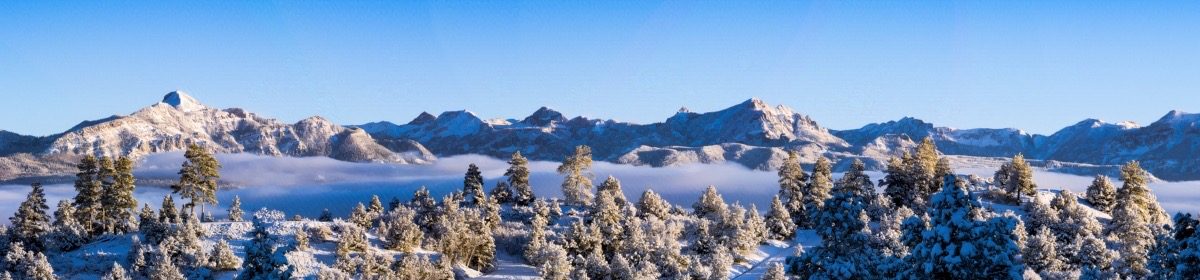
by Joseph T Sinclair
I have seen plenty of photographs that have been so overbaked in post processing that that they have an otherworldly or fantasy quality to them. Personally, I don’t like such photographs, but they seem to have some popularity with the general public.
Recently, I’ve been playing around with AI photograph generators. It’s my impression that many AI photographs have such qualities.
Another common AI photograph quality is lack of definition. There seem to be too many pieces of the photograph out of focus. Then too, many AI photographs are just botched up (literally). Finally, many AI photographs just don’t look right.
Nevertheless, in some cases the AI generated photographs look real. It’s difficult, if not impossible, to tell that they are not traditional photographs.
The bottom line is that you need to play around with words and make endless experimental runs using different words with the generator to craft the photograph you want. But maybe it’s just easier and more productive to go out and take the picture.
That said, my experience is just a one-off. You need to experiment yourself with AI to see what it can do for you. It’s not going to go away. And in 5 years it will work much better than it does now.
First, you need to distinguish between AI assisted post processing and AI generated photographs. AI assistance is present in many photograph editors now, and it makes the normal thing you do easier and faster.
An AI photograph (image) generator, in contrast, creates a photograph from words you enter into the generator. You process the resulting photograph by changing the words and re-running the AI generator to see what you’ve got until you’ve got what you want. There are numerous AI photograph generators. Try one.
DALL-E 2 (https://openai.com/product/dall-e-2)
Microsoft (https://www.bing.com/images/create?)
Adobe (https://www.adobe.com/sensei/generative-ai/firefly.html)
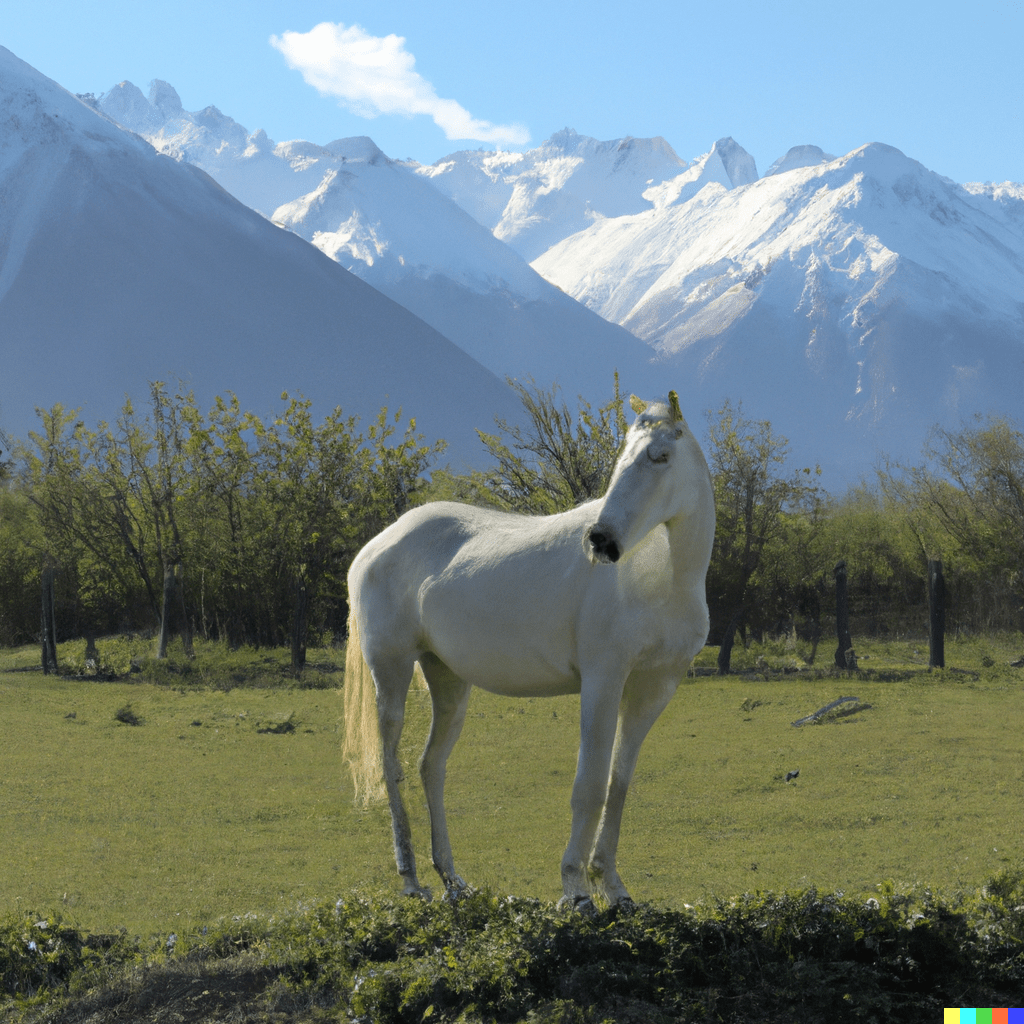
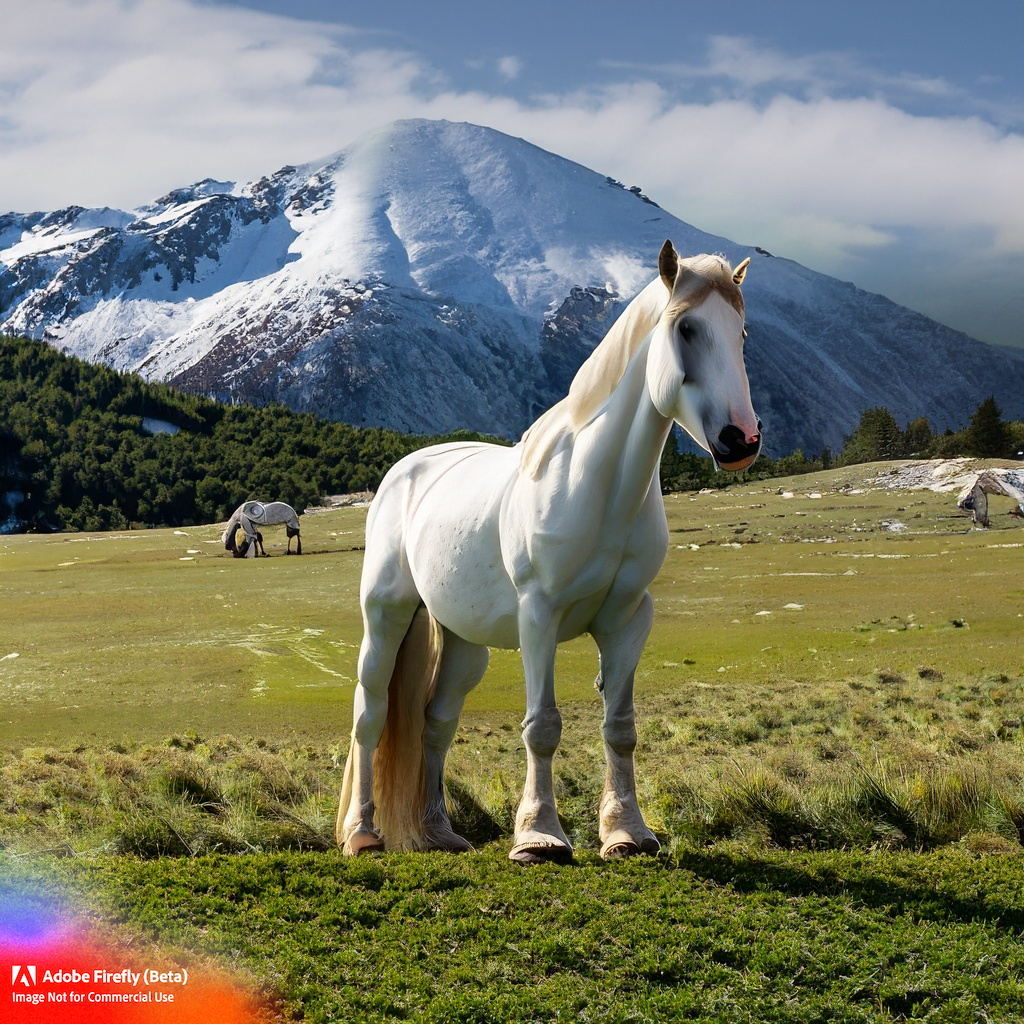
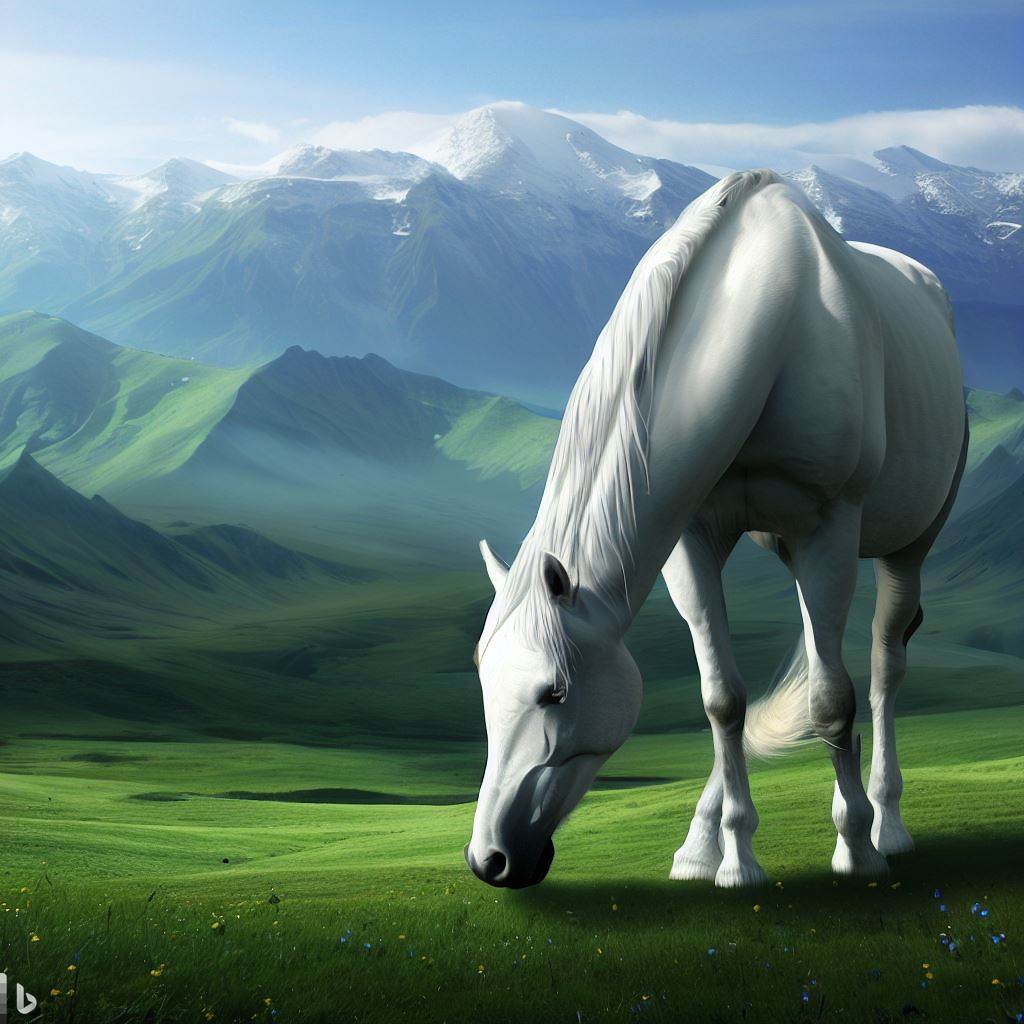
See what you think. AI generated photographs may be adequate for many situations. But in my opinion, AI generation is currently not useable for aesthetic, realistic, color photographs; that is, the type of photographs that most of us strive for.
Nonetheless, AI generation can be useful for turning photographs into impressionist art or abstract art and for comparable processes.
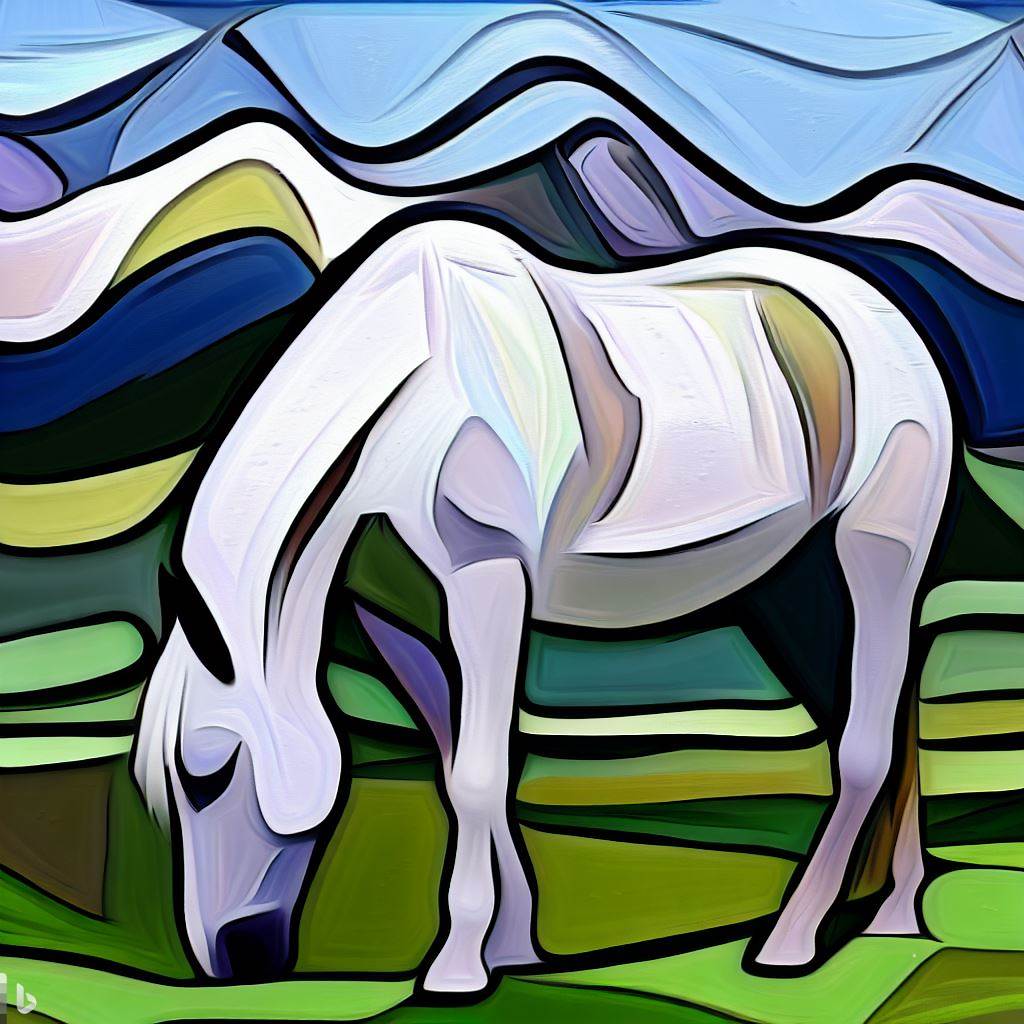
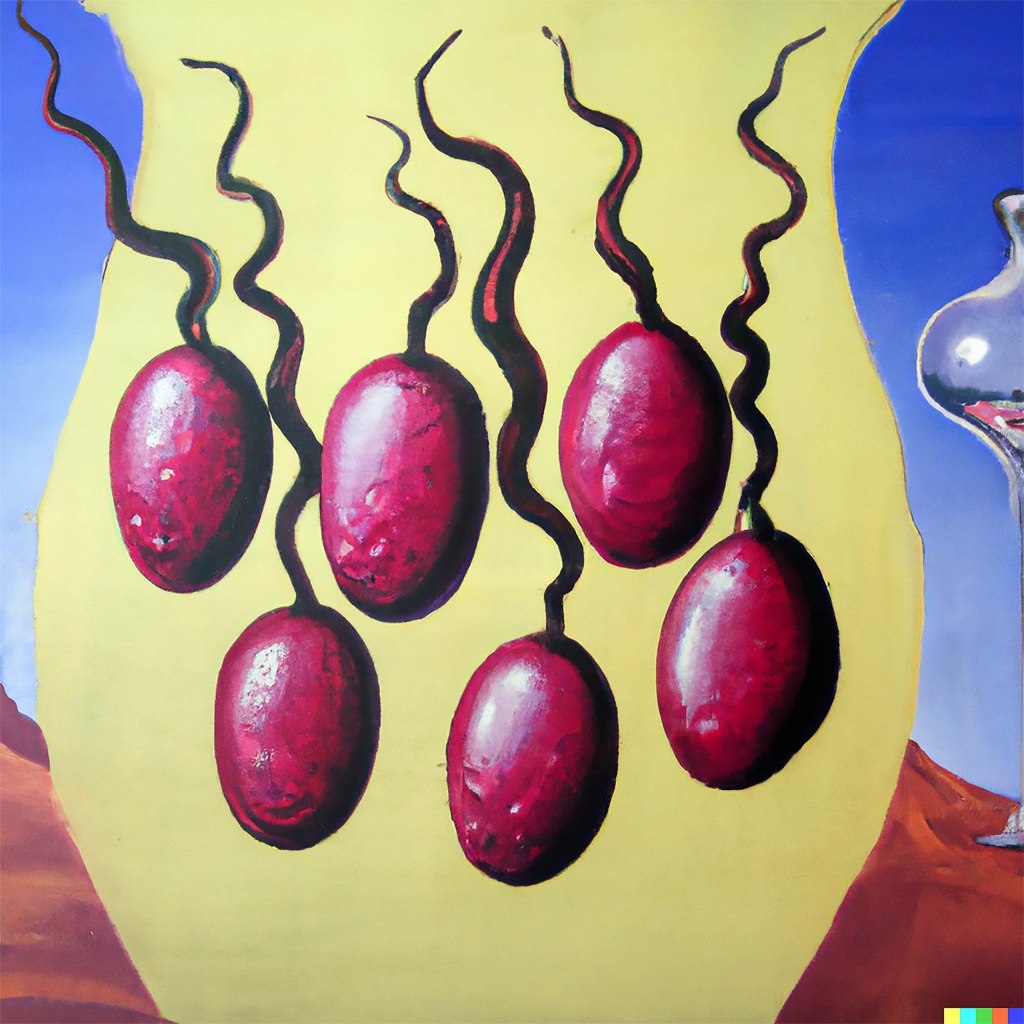
AI is the new parlor game
I found myself with three other retired people after dinner. They all had their noses in their phones. They were making AI images, AI poetry, AI songs, and AI videos and then presenting the results to each other. The results were not particularly appealing, in fact boooring. Rudely, I dozed off until my spouse kicked me awake, and I had to pay polite attention. Of course, you know if AI is already a parlor game that it’s also well entrenched in internet platforms. YouTube, I’m guessing, has more AI video than the rest of the digital world combined.
Finally, you need to understand the combination of AI assisted post processing and AI generated images. Software such as Adobe’s Firefly incorporated into Photoshop (beta – moderate learning curve) enables you to easily apply complex processes to your photographs but to add AI imaging as well. In any case, this is a path to endless fiddling around.
Not only is this powerful digital technology but apparently Adobe is doubling the price of Photoshop (or maybe there will be two versions of Photoshop, one without AI generation).
AI is a technique for which you need to know the capabilities and limitations to determine how you might use it. Maybe a parlor game after dinner is the avenue to knowledge after all?

 Pagosa Springs Photography Club